The short version
Chiggers are larval mites that live in tall grass and brush. To control them, keep your yard trimmed, reduce moisture, and treat with targeted pesticides. For severe infestations, professional treatment can provide lasting relief.
- Chiggers are mite larvae that feed on skin cells, causing intense itching; they do not burrow under skin.
- Prevention focuses on habitat management: keep grass short, remove brush, and reduce shade and moisture.
- Yard treatments cost $100–$450; professional services often include a warranty.
- Effective control requires targeting both the mites and their environment, with repeat treatments as needed.
This guide is for homeowners, especially those with children or pets who love to play in the grass. If you live in a warm, humid region where chiggers are common, and you want to enjoy your yard without dousing yourself in repellent every time you step outside, this is for you.
What to look for
Chiggers are the larval stage of certain harvest mites. They are tiny—about 1/150th of an inch—and are found in tall grass, weeds, and brush, especially in shaded, humid areas. Contrary to popular belief, chiggers do not burrow into your skin. Instead, they inject digestive enzymes that liquefy skin cells, which they then feed on. The enzyme reaction causes the intense itching and red welts that can last for days. Peak season runs from late spring through early fall (May–September), with bites most common in the South and Midwest where warm, humid conditions prevail. Chiggers typically latch onto hosts at ground level—around ankles, waist, or armpits—where clothing is tight against the skin.
- 1Red, intensely itchy welts, often in clusters around ankles, waist, or skin folds.
- 2Bites that appear 1–3 hours after exposure and worsen over the next 24–48 hours.
- 3Visible red-orange mite larvae on skin or clothing (use a magnifying glass).
- 4Pets scratching excessively, especially around ears, belly, or paws.
- 5Tall grass or weedy areas near your home with high humidity and shade.
- 6Previous bites after walking through grassy or brushy areas.
- 7Presence of other small arthropods like ticks or fleas, indicating suitable habitat.
Why it’s worth acting soon
- Bites can become infected from scratching, leading to secondary skin infections.
- Untreated yards can harbor chiggers all season, making outdoor activities miserable.
- Chiggers can spread to new areas via pets or footwear, expanding the infestation.
- Prolonged exposure may cause severe allergic reactions in sensitive individuals.
Treatment options and typical costs
Yard Perimeter Spray
$100–$300
Application of a residual insecticide (e.g., bifenthrin or permethrin) to grass, brush, and edges of lawns. Creates a barrier that kills chiggers on contact and lasts several weeks.
- Time
- 4–6 weeks of protection
- Best for
- Homeowners with moderate infestations in small to medium yards.
Granular Bait Treatment
$150–$350
Broadcast granules containing insecticides like fipronil or lambda-cyhalothrin. Provides longer residual control and is easier to apply over large areas.
- Time
- 6–8 weeks
- Best for
- Large lawns or properties with heavy brush and multiple hotspots.
Integrated Pest Management (IPM) Program
$200–$450 per treatment
Combines habitat modification (mowing, clearing brush), targeted chemical applications, and follow-up monitoring. Reduces reliance on pesticides and provides sustainable control.
- Time
- Season-long with multiple visits
- Best for
- Families with children or pets who want minimal chemical exposure and long-term results.
Prices are typical published ranges. Ask what’s included before you compare quotes.
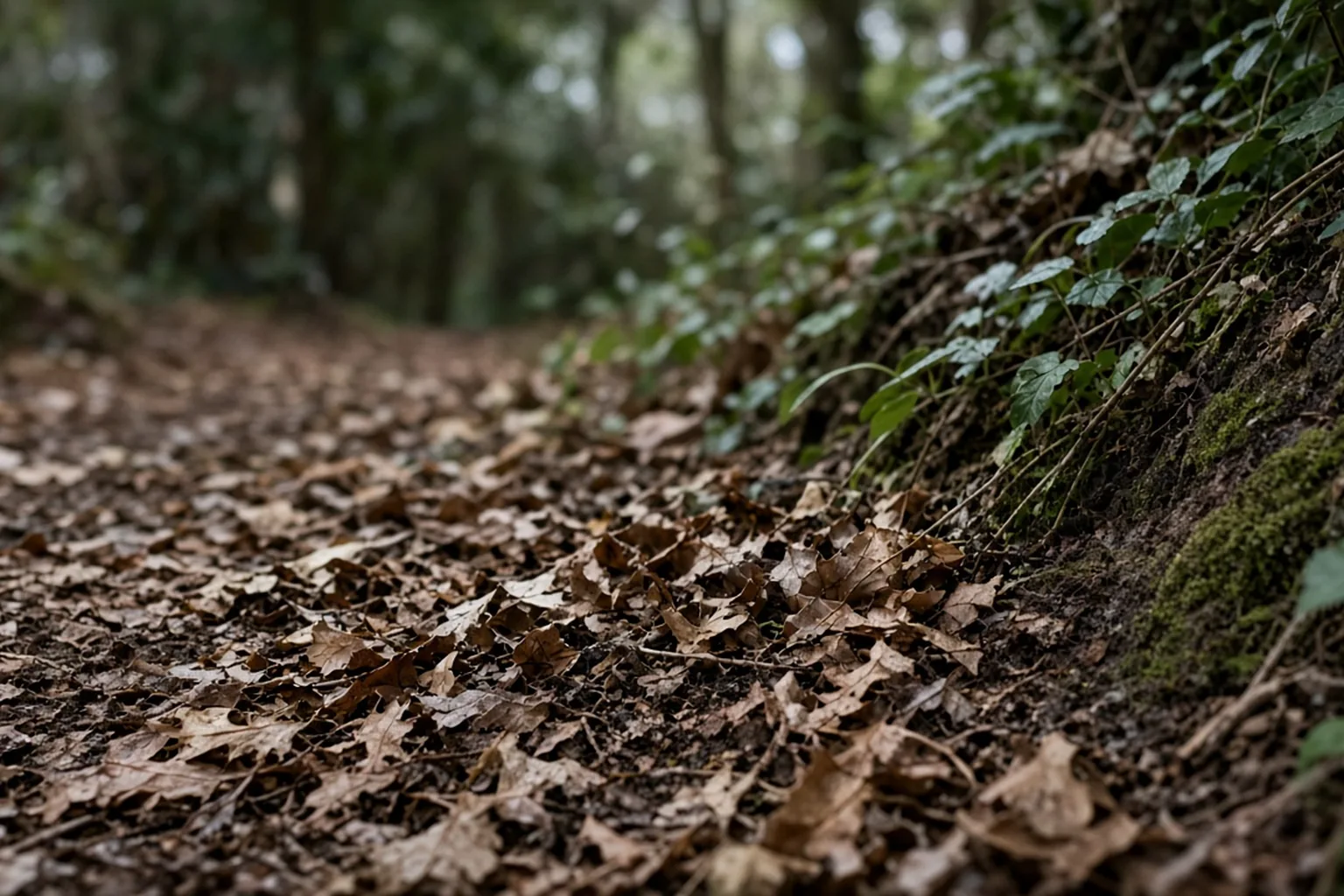 Shady, leafy trails hold moisture chiggers love. Stay mid-trail and use repellent on socks.
Understanding the Chigger Life Cycle.
Professional applications often time treatments to coincide with peak hatch in late spring. Understanding this cycle is key: treatments must target the larvae and the eggs to break the cycle. After feeding for 2–4 days, they drop off and molt into nymphs. Larvae hatch from eggs laid in soil or vegetation and climb onto grass blades to wait for a host. The life cycle takes about 50–70 days, depending on temperature and moisture. Only the larvae feed on skin cells; nymphs and adults are harmless to humans and feed on plant material. Chiggers go through four stages: egg, larva (the biting stage), nymph, and adult.
Why Chiggers Are Worse in Some Yards.
Reducing these edge habitats—by extending the mowed area or using a gravel buffer—can dramatically reduce chigger encounters. Homeowners often inadvertently create these zones by letting edges go wild. A study by the University of Florida found that chigger populations are highest in transition zones—where mowed lawn meets unmowed brush. Areas near woods, ponds, or with poor drainage hold more moisture, which chiggers need. Yards with tall fescue, Bermuda grass, or dense ground cover like ivy and pachysandra are prime habitat. Chigger abundance is driven by microclimate.
 Damp leaf piles hold moisture chiggers like. Rake them away from the house.
Chemical Control: What Works and What Doesn't.
Always follow label directions and consider a professional who can apply products safely and effectively. The EPA notes that no single product will eliminate chiggers permanently; integrated approaches that combine habitat management with targeted chemical use yield the best results. Natural alternatives like neem oil or diatomaceous earth have limited effectiveness against established populations. However, they are toxic to bees and aquatic life, so they must be applied carefully, avoiding flowering plants and water sources. They provide quick knockdown and residual activity for weeks. Pyrethroids like bifenthrin, permethrin, and lambda-cyhalothrin are the most effective active ingredients for chigger control.
What affects the price
- Size of the yard (acres or square footage).
- Severity of infestation (light vs. heavy).
- Type of treatment (spray, granules, or IPM).
- Number of treatments needed (single vs. seasonal program).
- Accessibility of infested areas (e.g., steep slopes, dense brush).
- Regional labor rates and product costs.
- Additional services like tick or mosquito control bundled in.
📊
What's the most annoying thing about chiggers?
When to call for help
If you have a large yard, heavy brush, or a persistent infestation that returns year after year, it's time to call a professional. Also, if you or a family member has had severe reactions to chigger bites, or if you simply want a guaranteed solution, a licensed pest control company can provide effective treatment and peace of mind.
What you can do yourself
For most homeowners, especially those with kids and pets, a professional program is safer and more reliable. Ask whether the inspection is credited toward the work and whether the warranty is written—Ask about a no-charge inspection. DIY treatments can work for small, localized infestations if you're diligent about mowing, removing debris, and applying products according to label directions. However, professionals have access to more effective, longer-lasting pesticides and can identify and treat all hotspots.
Where you live matters
In the Midwest—Missouri, Kansas, Illinois—peak activity is May through September. In states like Texas, Oklahoma, Arkansas, and the Carolinas, chigger season can extend from April through October. Chiggers are most prevalent in the southeastern and midwestern United States, where warm, humid summers create ideal conditions. Service is available statewide. Homeowners in suburban-rural interfaces are especially vulnerable. Regardless of region, the key risk factor is proximity to tall grass, weeds, and brush. Northern states like Minnesota or Michigan have shorter, less intense seasons, but outbreaks can occur in localized areas with favorable microclimates.
Simple ways to keep chiggers away
- Keep grass mowed to 3 inches or shorter, especially near play areas.
- Remove leaf litter, brush piles, and weeds from your yard.
- Reduce shade and moisture by trimming tree branches and improving drainage.
- Create a barrier of wood chips or gravel between lawn and wooded areas.
- Treat pets with vet-approved tick/mite preventatives (e.g., topical or oral).
- Wear long pants and sleeves when in grassy areas; tuck pants into socks.
- Shower immediately after outdoor activity and wash clothes in hot water.
 If you get a quote, ask which spots will be treated and how long to stay off the lawn.
Did you know?
Chiggers can only feed on skin cells for about 2–4 days before dropping off; the myth that they burrow and stay for weeks is false.
The red welt from a chigger bite is actually a reaction to digestive enzymes, not a bite mark—the mite itself is too small to see without magnification.
Adult chiggers are harmless and actually beneficial, feeding on plant debris and small insects.
Questions people ask
What kills chiggers instantly?
Direct contact with insecticides containing bifenthrin, permethrin, or lambda-cyhalothrin kills chiggers on contact. However, for lasting control, the treatment must reach the habitat where chiggers hide.
How long do chiggers live?
Adults live several weeks, feeding on plant matter. Larvae live about 2–4 days while feeding, then drop off and molt into nymphs. The entire life cycle is about 50–70 days.
Can chiggers live in my house?
Chiggers rarely infest homes because they need high humidity and vegetation. They may hitchhike on clothing or pets but won't establish indoors.
What is the best treatment for chigger bites?
Avoid scratching to prevent infection. Oral antihistamines (e.g., Benadryl) can reduce itching. Apply an anti-itch cream like calamine lotion or hydrocortisone.
How often should I treat my yard for chiggers?
Professional programs typically include 3–4 treatments per season. During peak season (May–September), reapply every 4–6 weeks or after heavy rain. Most treatments last 4–8 weeks.
Are chiggers dangerous?
Chiggers do not transmit diseases in the United States, but secondary infections from scratching are a risk. For most people, they are a nuisance pest, not a health threat.
Will mowing the grass get rid of chiggers?
Combine mowing with other control methods. They can still survive in short grass if moisture and shade are present. Mowing reduces habitat but doesn't eliminate chiggers.
Where do kids pick up chigger bites?
After play in tall grass or brush, a prompt shower and a change of clothes removes most chiggers before they attach. The figure comes from selected clinic patients whose cases were attributed to insect or chigger bites, not a survey of all children. emergency department, 84% reported recent exposure to woods, parks, lawns or poison ivy in the days before symptoms began. In Smith and colleagues' 1998 case series of 94 children treated for summer penile syndrome at one Midwestern U.S. Grassy and wooded places.
What percentage of people use tick repellent?
An EPA-registered repellent on skin plus permethrin on shoes and socks covers most yard-work and hiking exposure. These are self-reported behaviors. adults, questions asked in 2013 and 2014 found that 20.6% routinely used repellent against ticks, making it the most common precaution even though 57.6% of adults took no routine steps at all. In a Centers for Disease Control and Prevention (CDC) analysis of weighted ConsumerStyles surveys of U.S. Only about one in five, according to the most detailed national survey.
Sources (11)
The facts in this article come from the public sources listed above. Every home is different, so ask the company you talk to about pricing and what’s included. Published by Chigger Exterminator · Updated September 11, 2026 · How we write these guides