The short version
Chigger control focuses on reducing larval mite populations in moist, grassy areas. Professional yard treatments with acaricides (e.g., bifenthrin, permethrin) are highly effective, typically costing $100-$450. DIY methods include mowing low, removing brush, and applying sulfur dust, but professional treatment offers more reliable, longer-lasting results.
- Chiggers are larval mites that feed on skin cells, not blood, and do not burrow into skin.
- Peak activity is late spring through early fall (May–September), especially in the South and Midwest.
- Professional yard treatments cost $100–$450 and can eliminate chiggers for 2–4 weeks.
- Prevention: Keep grass short, remove brush, create a barrier with wood chips, and wear DEET repellent.
- no-charge inspection and a workmanship warranty are available from chigger control.
If you live in the South, Midwest, or any region with warm, humid summers, you’re at risk for chigger bites. This guide is written for homeowners, especially those with children and pets who play in grassy or brushy areas. Our goal is to give you practical, science-based advice that works in the real world. We’ll help you identify problem areas, choose effective treatments, and decide whether to go DIY or call a pro.
What to look for
The resulting welt is your body’s allergic reaction to those enzymes—hence the maddening itch. Instead, they attach to hair follicles or skin folds, inject digestive enzymes that liquefy skin cells, and feed for several days. Contrary to popular myth, chiggers do not burrow into your skin. Peak season runs from May through September, with bites most common in the South and Midwest. They thrive in tall grass, brush, and shaded ground cover with high humidity. Chiggers, the larval stage of trombiculid mites, are a seasonal nuisance that can turn your backyard into a no-go zone.
- 1Intense itching, especially around ankles, waistband, armpits, and behind knees, within hours of being outdoors.
- 2Small, raised, red welts that may develop into blisters or pustules.
- 3Seeing tiny red or orange specks (chiggers) on skin or clothing after being in grassy areas.
- 4Pets scratching excessively, particularly around ears, belly, and paws.
- 5Tall grass, weeds, or brush in your yard that remains uncut and damp.
- 6Presence of rodents or other small hosts (chiggers often hitchhike on animals).
- 7Repeated bites after spending time in the same area of your yard.
Why it’s worth acting soon
- Secondary skin infections from scratching can lead to cellulitis or impetigo.
- Chigger infestations can spread to larger areas of your yard as conditions favor them.
- Children and pets may suffer more severe allergic reactions.
- Untreated areas can harbor chiggers for the entire warm season, ruining outdoor enjoyment.
- Delaying treatment may require more extensive and costly measures later.
Treatment options and typical costs
Professional Yard Spray (Acaricide)
$100–$450
A licensed pest control company applies a liquid acaricide (e.g., bifenthrin, lambda-cyhalothrin) to infested areas. This is the most effective method for rapid and lasting control.
- Time
- Effective for 2–4 weeks; may need reapplication after heavy rain.
- Best for
- Large yards, heavy infestations, or homeowners who want results that vary by property and pro.
Granular Pesticide Application
$50–$150 (DIY product cost)
Granular formulations (e.g., containing permethrin or carbaryl) are spread with a broadcast spreader. They require watering in and are less precise than sprays.
- Time
- 1–3 weeks depending on weather.
- Best for
- DIY homeowners with moderate infestations and a willingness to follow label directions.
DIY Sulfur Dust
$10–$30 per bag
Elemental sulfur dust can be applied to clothing or lightly to vegetation. It repels chiggers but provides limited control and may irritate skin.
- Time
- Lasts until washed off or after rain.
- Best for
- Personal protection or small, localized areas.
Prices are typical published ranges. Ask what’s included before you compare quotes.
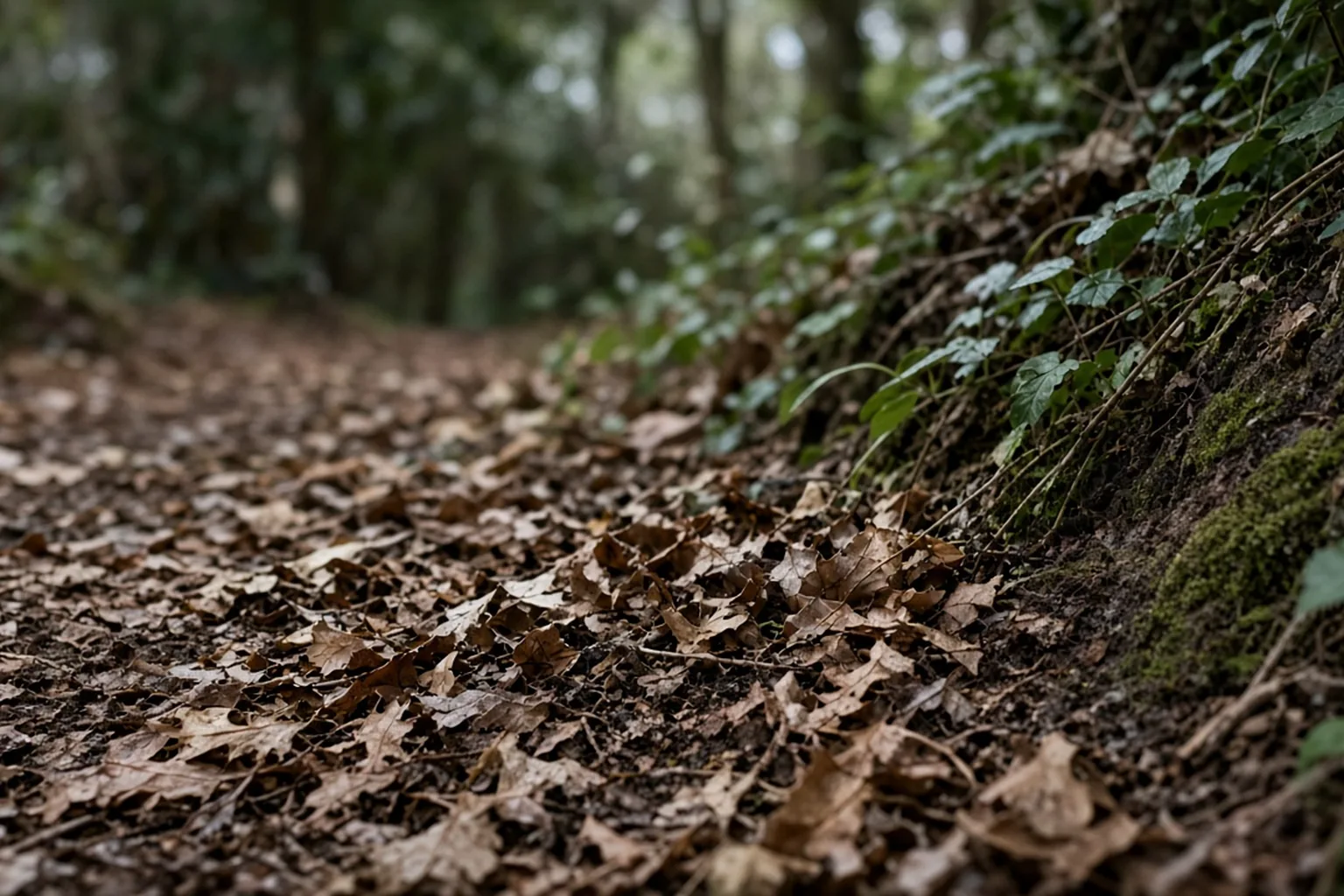 Shady, leafy trails hold moisture chiggers love. Stay mid-trail and use repellent on socks.
Understanding the Chigger Life Cycle.
After feeding for 3–5 days, they drop off and molt into nymphs, which are free-living predators of small arthropods. Only the larvae are parasitic; they feed on skin cells of mammals, birds, reptiles, and amphibians. The life cycle has four stages: egg, larva (chigger), nymph, and adult. Chiggers are not insects but the larval stage of mites in the family Trombiculidae. Breaking the cycle by treating the yard during peak larval emergence can reduce populations for the entire season. Understanding this cycle helps target treatments when larvae are most active—late spring through early fall. In warm climates, multiple generations can occur per year, but peak larval activity aligns with high humidity and temperatures above 60°F. Adults also are free-living and feed on plant material and insect eggs.
Why Chiggers Favor the South and Midwest.
In contrast, arid regions like the Southwest have fewer chigger problems, though they can occur in irrigated lawns. The Midwest, particularly states like Missouri, Illinois, and Indiana, also sees heavy chigger activity due to similar humidity and extensive grasslands. The southeastern United States—from Texas to Virginia—provides ideal conditions: long summers, high rainfall, and lush vegetation. Chiggers thrive in warm, humid environments with abundant ground cover. For homeowners in high-risk zones, annual professional treatments are a smart investment. Knowing your region's risk helps you decide whether preventive measures are worthwhile. Chiggers are less common in the Northeast and Pacific Northwest, but outbreaks can happen during hot, humid spells. Coastal areas with high humidity are especially prone.
 Damp leaf piles hold moisture chiggers like. Rake them away from the house.
The Truth About Chigger Bites and Itch Relief.
The itching can last for days to weeks. The body's reaction to the enzymes causes the intense itching and red welts, typically appearing 4–24 hours after exposure. These enzymes liquefy skin cells, which the chigger then sucks up. They use their mouthparts to pierce skin cells and inject saliva containing digestive enzymes. Contrary to a stubborn myth, chiggers do not burrow into skin or feed on blood. The best cure is prevention: control chiggers in your yard before they find you. Importantly, applying nail polish or bleach is ineffective—the chigger is long gone by the time symptoms appear. Avoid scratching to prevent infection. Cool compresses and oatmeal baths can soothe the skin. Effective relief includes over-the-counter antihistamines (e.g., diphenhydramine), calamine lotion, and hydrocortisone cream.
What affects the price
- Size of the yard (acres or square footage treated).
- Severity of infestation (light vs. heavy).
- Product used (professional-grade acaricides cost more but last longer).
- Accessibility of infested areas (brushy, steep, or overgrown lots may cost more).
- Regional labor rates (higher in coastal or urban areas).
- Number of visits needed (some companies offer seasonal plans).
- Add-on services (e.g., tick or mosquito control bundled in).
📊
What's your biggest frustration with chiggers?
When to call for help
Ask whether the inspection is credited toward the work and whether the warranty is written—Ask about a no-charge inspection. Call a professional if you have a large yard (over half an acre), a heavy infestation that DIY methods haven't controlled, or if you want a guaranteed solution without the hassle. Children and pets with severe allergic reactions to bites also warrant professional treatment to minimize exposure.
What you can do yourself
DIY methods can work for small, isolated patches. Mowing low, removing brush, and applying sulfur dust or over-the-counter sprays (like those containing permethrin) can reduce chigger numbers. However, DIY treatments often miss hidden areas and may not provide lasting results. Professional treatments use higher-grade acaricides applied with precision equipment, reaching crevices and vegetation where chiggers hide. The cost ($100–$450) is a good value for peace of mind and results that vary by property and pro, especially for families with kids and pets. For most homeowners, we recommend starting with a professional inspection—often free—and then deciding based on the scope of the problem.
Where you live matters
Service is available statewide. Chigger activity varies significantly across the United States due to climate and geography. In the South, from Texas to the Carolinas, peak season runs from April through October, with a lull only during the hottest, driest part of summer. Humid river valleys and coastal plains are hotspots. In the Midwest, chiggers are most active from May through September, with heavy infestations in tallgrass prairies and overgrown fields. Northern states like Minnesota and Wisconsin see chiggers mainly in July and August, limited by shorter summers. In the West, chiggers are less common but can be found in irrigated lawns and riparian areas. Homeowners in any region should focus on keeping grass short, reducing moisture, and creating a buffer zone between lawn and wild vegetation. Professional treatments are especially valuable in areas with high chigger pressure, as they provide a targeted, long-lasting solution.
Simple ways to keep chiggers away
- Keep grass mowed short (3 inches or less) and remove tall weeds and brush.
- Create a barrier of wood chips or gravel between lawn and wooded areas to discourage chigger migration.
- Reduce humidity by trimming overhanging branches and improving sunlight penetration.
- Wear long pants tucked into socks and apply DEET or picaridin repellent to shoes and ankles.
- Shower immediately after being outdoors in grassy areas and wash clothes in hot water.
- Discourage rodents (mice, voles) by removing debris piles and sealing entry points to sheds.
- Treat pets with vet-approved tick and mite preventatives; check them for chiggers after walks.
 If you get a quote, ask which spots will be treated and how long to stay off the lawn.
Did you know?
Chiggers don't burrow into skin; they feed on skin cells by injecting digestive enzymes, causing the itch.
Only larval mites are parasitic; adult chiggers are free-living and feed on plant material.
Chiggers are attracted to carbon dioxide, which is why they often target ankles and waistbands where CO2 is concentrated.
Questions people ask
Do chiggers burrow into skin?
They attach to hair follicles or skin folds and inject enzymes to liquefy skin cells, which they then feed on. The myth of burrowing is false. No. Chiggers do not burrow into skin.
What is the best treatment for chiggers in the yard?
It provides rapid knockdown and residual control for 2–4 weeks. DIY options include granular pesticides or sulfur dust but are less reliable. Professional application of an acaricide (e.g., bifenthrin, lambda-cyhalothrin) is the most effective treatment.
How can I prevent chigger bites?
Wear long pants and long sleeves, tuck pants into socks, and apply repellent containing DEET or picaridin to clothing and exposed skin. Shower and wash clothes in hot water after being outdoors.
Are chiggers dangerous?
However, the intense itching can lead to secondary skin infections from scratching. In rare cases, some people may have severe allergic reactions. Chiggers are not known to transmit disease in the United States.
How long do chigger bites last?
The itching typically peaks 1–2 days after the bite and can last for 1–2 weeks. The welts may take up to two weeks to fully heal, especially if scratched.
Can I treat chiggers myself?
For large infestations or results that vary by property and pro, professional treatment is recommended. Ask whether the inspection is credited toward the work and whether the warranty is written. Yes, for small areas. Mow grass low, remove brush, and apply a pesticide labeled for chiggers (e.g., permethrin).
How can you tell if swelling is from chigger bites?
emergency department, 56% had bites elsewhere on the body and 84% had recently been in woods, parks or lawns, while only 50% had a visible bite mark at the swollen site. Those are findings among selected clinic patients, not general rates. Check ankles, sock lines and waistbands, and see a doctor if swelling affects urination. Look for other bites and recent outdoor play. In Smith and colleagues' 1998 case series of 94 children treated for summer penile syndrome at one Midwestern U.S.
Sources (12)
The facts in this article come from the public sources listed above. Every home is different, so ask the company you talk to about pricing and what’s included. Published by Chigger Exterminator · Updated September 11, 2026 · How we write these guides