The short version
Chigger control involves treating lawns and brushy areas with acaricides (miticides) to kill larval mites, plus personal protection. Professional yard treatments cost $100-$450, last 2-4 weeks, and are most effective when applied in late spring and summer.
- Chiggers are larval mites that feed on skin cells, not blood, and do not burrow under skin.
- Peak season is late spring through early fall (May-September), especially in humid, grassy, or brushy areas.
- Professional yard treatments with acaricides are the most effective control method, costing $100-$450 per treatment.
- Prevention includes mowing low, removing brush, wearing long pants, and using DEET or permethrin repellents.
- no-charge inspection and workmanship warranties are available from licensed pest control companies.
This guide is for homeowners, especially those with children or pets, living in the southern and midwestern United States where chiggers are most prevalent. If you have a yard with tall grass, brush piles, or wooded edges, and you've noticed itchy bites after being outside, this page will help you understand your options. It's also for families who want to prevent infestations before they start, and for anyone considering professional pest control for chiggers.
What to look for
The bite itself is painless, but the reaction to the enzymes causes intense itching that begins hours later and can last for days. In the United States, chiggers are most problematic in the Southeast, Midwest, and parts of the Southwest. States like Texas, Oklahoma, Arkansas, Missouri, Illinois, Indiana, Ohio, Kentucky, Tennessee, Georgia, Alabama, Mississippi, and the Carolinas report the highest numbers of chigger bites. However, they can be found as far north as Canada and as far west as California. The common name 'red bugs' refers to their reddish color, but they are not insects—they are arachnids, related to ticks and spiders. Chiggers (Trombiculidae family) are the larvae of harvest mites, barely visible to the naked eye (0.15-0.3 mm). They live in shaded, humid areas with dense vegetation—think tall grass, overgrown fields, forest edges, and even well-watered lawns. They are most active from late spring through early fall, with peak activity in May, June, and September in warmer climates. Chiggers do not burrow into skin; instead, they attach to clothing or skin and move to areas where clothing fits tightly (ankles, waist, armpits) or where skin is thin (behind knees, groin). There, they pierce the skin and inject saliva containing digestive enzymes that liquefy skin cells, which they then consume.
- 1Intensely itchy red welts, often in clusters or lines, around ankles, waist, armpits, or behind knees.
- 2Bites that appear 1-3 hours after being in grassy or brushy areas and worsen over 24-48 hours.
- 3Visible chiggers? They are nearly invisible; a more common sign is the itch itself. However, you may see tiny red dots on clothing or skin (use a magnifying glass).
- 4Pets scratching excessively, especially around ears, belly, or armpits after being outside.
- 5Presence of suitable habitat: tall grass, brush piles, leaf litter, or unmowed edges near your home.
- 6Bites that are not accompanied by a visible tick or mosquito—chigger bites lack a central puncture mark.
- 7Pattern of bites: often in areas where clothing fits snugly, such as sock lines, waistbands, or bra straps.
Why it’s worth acting soon
- Secondary skin infections from scratching can lead to impetigo or cellulitis, requiring medical treatment.
- Prolonged scratching can cause scarring or hyperpigmentation (dark spots) that last for months.
- Chigger populations can explode in a single season; a female mite lays up to 400 eggs, so a small infestation can become severe quickly.
- If untreated, chiggers can spread from perimeter areas into lawns, patios, and play areas, making the entire yard unusable.
- Pets can bring chiggers indoors, leading to bites on furniture, beds, and carpets.
Treatment options and typical costs
Professional Yard Acaricide Application
$100-$450
Licensed pest control technicians apply liquid or granular acaricides (e.g., bifenthrin, cyfluthrin, or permethrin) to turf, brush, and wooded edges. The treatment targets larval mites and breaks the life cycle. Most companies offer a no-charge inspection to identify hotspots.
- Time
- Lasts 2-4 weeks; may need reapplication monthly during peak season.
- Best for
- Homeowners with large yards, recurrent infestations, or families with children/pets who want maximum protection.
DIY Granular or Spray Acaricides
$20-$60
Over-the-counter products containing bifenthrin, cyfluthrin, or lambda-cyhalothrin can be applied with a garden sprayer or spreader. Follow label directions carefully. Typical coverage is 5,000-10,000 sq ft per bottle.
- Time
- Lasts 2-3 weeks; requires careful timing and thorough coverage.
- Best for
- Small yards (<1/4 acre) or homeowners comfortable with DIY pesticide application.
Personal Repellents (DEET or Permethrin)
$5-$15 per bottle
Apply DEET (20-30%) to exposed skin and clothing, or treat clothing with permethrin spray (lasts through several washes). This is a preventive measure, not a yard treatment, and must be reapplied after sweating or swimming.
- Time
- Lasts 4-8 hours on skin; permethrin on clothing lasts up to 6 weeks or 6 washes.
- Best for
- Short-term protection during hikes, camping, or gardening; best used alongside yard treatments.
Prices are typical published ranges. Ask what’s included before you compare quotes.
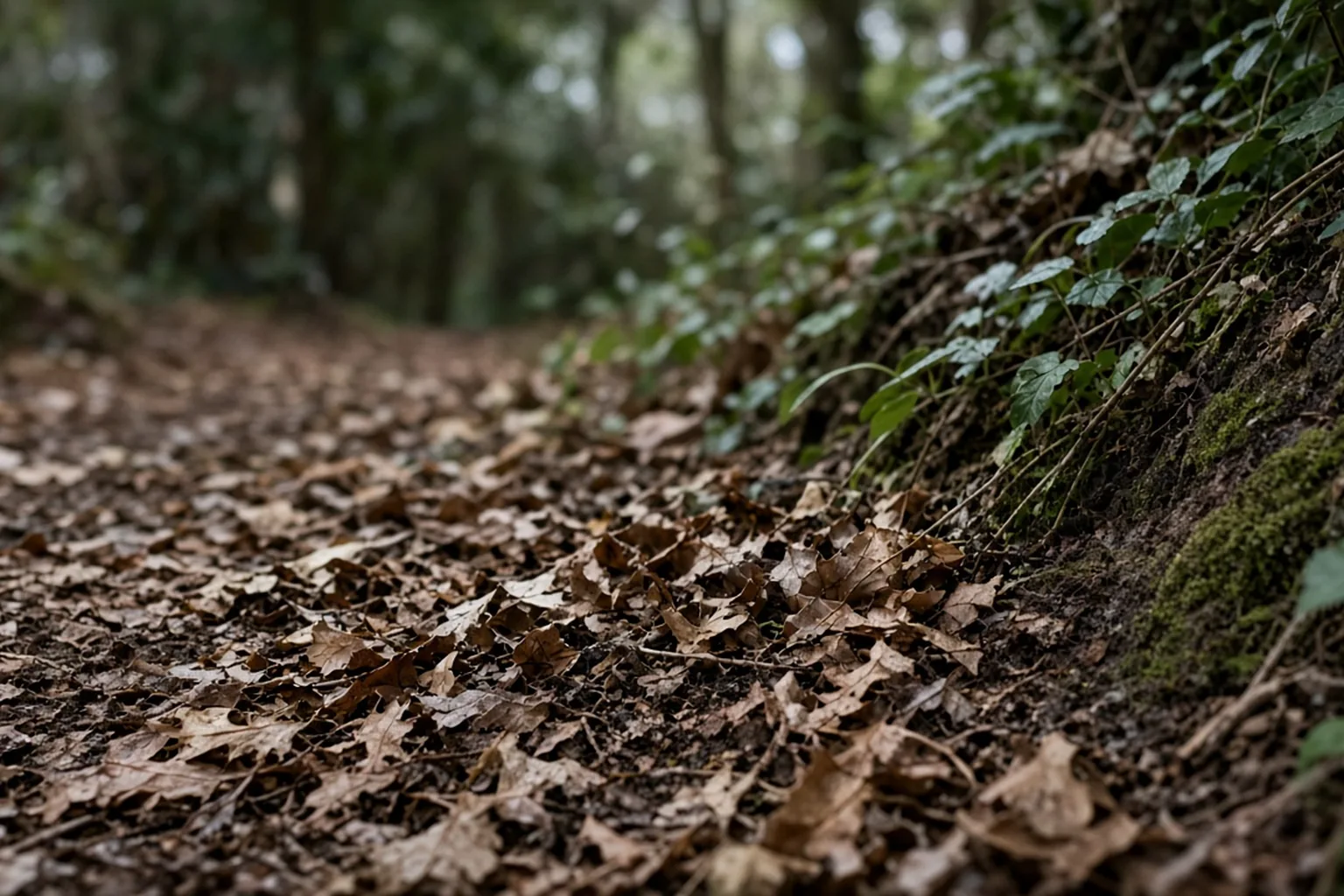 Shady, leafy trails hold moisture chiggers love. Stay mid-trail and use repellent on socks.
How Chigger Treatments Actually Work.
For most homeowners, synthetic pyrethroids remain the gold standard for chigger control due to their efficacy and durability. Sulfur granules can be spread on lawns, but they smell like rotten eggs and may irritate pets. However, these are less effective and require more frequent applications (every 5-7 days). For those who prefer organic options, there are products containing neem oil, cedar oil, or sulfur.
Regional Differences in Chigger Activity.
A good pest control company will tailor treatments to your region and property. The bottom line: one size does not fit all. Some online tools track chigger activity based on weather data. Contact your local extension office for specific dates. In Texas, treatments should start in April; in Minnesota, not until June. Knowing your local chigger season helps with timing. For example, a homeowner in Georgia might have chiggers concentrated in a patch of English ivy under a large oak, while a Missouri homeowner might find them along a fence line of tall fescue. A professional inspection will identify the specific habitats on your property. Even well-manicured lawns can have chiggers if they border untreated woodlands. In the South, they are abundant in pine forests, kudzu patches, and brushy roadsides. In the Midwest, chiggers are commonly found in overgrown pastures, field edges, and along creeks. Local vegetation plays a huge role.
 Damp leaf piles hold moisture chiggers like. Rake them away from the house.
Myth-Busting: What Chiggers Are and Aren't.
If you're unsure, a no-charge inspection from a professional can confirm. Knowing what you're dealing with is crucial for effective control. Chiggers are the only mite that causes the characteristic cluster of bites around tight clothing areas in outdoor settings. Scabies mites burrow under skin but are transmitted person-to-person. Bird mites can bite but are associated with nests. Clover mites are red and sometimes invade homes, but they do not bite. chiggers are often confused with other mites.
What affects the price
- Yard size: Larger yards require more product and labor; prices scale with acreage.
- Severity of infestation: Heavily infested areas may need multiple treatments or spot treatments.
- Accessibility: Steep slopes, dense brush, or fenced areas may add time and cost.
- Treatment frequency: Some companies offer seasonal plans (3-4 treatments) for a flat fee.
- Product choice: Granular treatments may be cheaper than liquid, but liquids often provide better coverage.
- Geographic location: Prices are generally higher in the Northeast and West Coast, lower in the South and Midwest.
- Add-on services: Some pros include tick or mosquito control in the same treatment, increasing cost.
📊
What's your biggest frustration with chiggers?
When to call for help
Most pest control companies offer no-charge inspection—they'll identify chigger hotspots and provide a quote. For example, Ask about treatment and maintenance options. Ask about a no-charge inspection. If you've tried DIY repellents and yard maintenance but still get bites, or if your yard is larger than 1/4 acre with wooded edges, it's time to call a professional. Also call if you have young children or pets who spend a lot of time on the grass, or if you want a guaranteed solution.
What you can do yourself
DIY treatments can work for small, well-maintained yards, but they require meticulous coverage and timing. You need to apply the product when chiggers are active (warm, humid) and to all potential hiding spots—which is harder than it sounds. Professionals have commercial-grade equipment that reaches into brush and crevices, and they know which acaricides are most effective in your region. They also offer warranties, which DIY doesn't. For most families, the $100-$450 cost is worth the peace of mind and the no-charge inspection. That said, if you're on a tight budget and have a small, simple yard, a DIY spray from a hardware store can reduce populations significantly.
Where you live matters
They'll know the best timing and products for your local conditions. Always consult a local pest control company that understands your area's specific chigger ecology. In northern states, one or two treatments may suffice. If you live in a state like Missouri or Georgia, expect to treat your yard monthly during peak season. For homeowners in the Chigger Belt, the best approach is a combination of yard treatment and personal prevention. This is why they are most problematic in the eastern half of the US. The key factor is humidity: chiggers need relative humidity above 70% to survive. In the Rocky Mountains, chiggers are absent above about 5,000 feet. In the Southwest, they are limited to irrigated landscapes. In the Pacific Northwest, chiggers are rare due to dry summers. In the Northeast, chiggers are less common but can be found in wooded areas of Pennsylvania, New York, and Massachusetts from June through August. In the Midwest (Illinois, Indiana, Ohio), the season runs from May through September, with a peak in June and again in September. For example, in Texas, chiggers can be active from March through November, with two peaks: May-June and September-October. In the South and Midwest, where humidity is high, chigger season is long and intense. Chigger activity varies dramatically across the US.
Simple ways to keep chiggers away
- Mow your lawn regularly to a height of 2-3 inches; chiggers prefer tall grass for shade and humidity.
- Clear brush, leaf piles, and overgrown vegetation from the edges of your yard.
- Create a barrier of gravel or wood chips between wooded areas and your lawn to discourage mite migration.
- Wear long pants tucked into socks and long sleeves when in grassy or brushy areas; treat clothing with permethrin.
- Shower with hot, soapy water immediately after being outdoors to wash off unattached chiggers. Scrub with a washcloth.
- Keep pets out of tall grass and brush; treat them with vet-approved flea/tick preventatives that also repel mites.
- Consider planting chigger-repelling plants like lavender, eucalyptus, or rosemary near sitting areas (anecdotal but harmless).
 If you get a quote, ask which spots will be treated and how long to stay off the lawn.
Did you know?
Chiggers inject a digestive enzyme that liquefies skin cells—the itch is caused by your body's reaction to the enzyme, not by the mite itself.
The common myth that chiggers burrow into skin is false; they feed on skin cells from the surface and drop off after a few days.
Chiggers are not insects; they are arachnids, more closely related to spiders and ticks.
Questions people ask
What are chiggers and where do they live?
Chiggers are the larval stage of harvest mites, tiny arachnids that live in tall grass, brush, and shaded, humid ground cover. They are most active in late spring through early fall.
How long does a professional chigger treatment last?
Most professional treatments last 2-4 weeks. Reapplication is typically needed monthly during peak season (May-September) for continuous protection.
Do chiggers burrow into skin?
The red welt is an allergic reaction to their saliva. They attach to the skin and feed on liquefied skin cells from the surface. Chiggers do not burrow. No.
Can chigger treatments harm my pets or children?
Ask your pro about pet-safe products. Keep children and pets off the lawn until the spray has dried (usually 1-2 hours). When applied by a licensed professional according to label directions, treatments are safe.
How can I prevent chigger bites?
Keep your lawn mowed and clear brush. Shower immediately after being outdoors. Wear long pants tucked into socks, apply DEET (20-30%) to exposed skin, and treat clothing with permethrin.
Is there a money-back warranty for chigger treatment?
Ask for the written re-treatment terms before you sign. If you continue to get bites after treatment, they will reapply at no charge. Many professional companies, including chigger control, offer a workmanship warranty.
What is the best time to treat for chiggers?
Late spring (May) and early summer (June) are the best times to start treatments. In the South, a second treatment in late summer (August/September) is often needed.
Can I treat for chiggers myself?
DIY products require careful coverage and frequent reapplication. However, professional treatments are more effective for large or heavily infested yards. Yes, with over-the-counter acaricides.
What do homeowners actually do to keep mosquitoes out of the yard?
Before paying for treatment, tip out saucers, buckets and clogged gutters; that removes the breeding sites a spray cannot reach. The poll was sponsored by a mosquito-control company and did not disclose its sample size. homeowners, fielded by TNS Global with multiple answers allowed, 48% said they had removed standing water, 44% had cleared lawn debris, and 27% had cleaned gutters. Removing standing water leads the list.
How can you tell if swelling is from chigger bites?
Check ankles, sock lines and waistbands, and see a doctor if swelling affects urination. Those are findings among selected clinic patients, not general rates. emergency department, 56% had bites elsewhere on the body and 84% had recently been in woods, parks or lawns, while only 50% had a visible bite mark at the swollen site. In Smith and colleagues' 1998 case series of 94 children treated for summer penile syndrome at one Midwestern U.S. Look for other bites and recent outdoor play.
Sources (12)
The facts in this article come from the public sources listed above. Every home is different, so ask the company you talk to about pricing and what’s included. Published by Chigger Exterminator · Updated September 11, 2026 · How we write these guides