Ohio Chigger Control: A Homeowner’s Guide to Prevention & Treatment
If you’ve ever spent a summer afternoon in an Ohio field or backyard and come inside with a ring of intense, unrelenting itching around your ankles, you’ve met chiggers. These nearly invisible larval mites are a seasonal scourge across the state, turning outdoor enjoyment into a scratchy nightmare. But with the right knowledge and strategy, you can take back your yard without dousing everything in harsh chemicals.
Get Your Free Quote
Send your request to the provider-matching network. Response times vary.
Chiggers are larval mites that cause intense itching by feeding on skin cells. Control focuses on habitat management, personal protection, and targeted yard treatments. In Ohio, peak season is May–September, with highest risk in southern and eastern counties.
Key Takeaways
- →Chiggers are most active in Ohio from late spring through early fall, especially in tall grass, brush, and shaded humid areas.
- →Professional yard treatments cost $100–$450 and can reduce chigger populations by 90%+ with a single application.
- →Prevention includes keeping grass short, clearing brush, and using DEET or permethrin repellents.
- →The myth that chiggers burrow under skin is false; they feed on skin cells and are easily removed with soap and water.
- →Ohio’s varied climate means chigger pressure is higher in the warmer, more humid southern and eastern regions.
Chiggers are barely visible to the naked eye but can cause intense itching.
Who This Is For
This guide is for Ohio homeowners who want to enjoy their yards without chigger bites. Whether you have kids who love to play in the grass, pets that roam the brush, or you simply want to garden in peace, understanding chigger behavior and control methods will save you weeks of misery. We’ll cover DIY prevention, professional treatment options, and the specific regional quirks of Ohio’s chigger populations.
The Problem
Chiggers are the larval stage of harvest mites (Trombiculidae). Only the larvae bite, and they don’t burrow into skin—a common myth. Instead, they climb onto a host from grass or brush, often targeting areas where clothing fits tightly (ankles, waist, armpits). They inject digestive enzymes that liquefy skin cells, causing an intensely itchy welt that can last for days. In Ohio, chiggers thrive in the warm, humid conditions from May through September, with activity peaking in July and August. Southern Ohio, with its longer summers and more humid climate, sees higher chigger populations than the cooler northern regions near Lake Erie.
Warning Signs
- •Intense itching concentrated around ankles, waist, armpits, or behind knees after being outdoors.
- •Small, red, raised welts that may appear in clusters or lines.
- •Visible red-orange specks (the mites) on skin or clothing, especially after walking through tall grass.
- •Pets scratching excessively after being in the yard, especially around ears and belly.
- •Chigger ‘hotspots’ in your yard: overgrown grass, brush piles, weedy areas, or near woodland edges.
- •Multiple family members or pets showing similar symptoms after outdoor activity.
- •Presence of chiggers on vegetation: look for tiny red mites on grass blades or leaves in late afternoon.
Risks of Waiting
- ⚠Secondary bacterial infections from scratching open the welts.
- ⚠Development of persistent itching that can interfere with sleep and daily activities.
- ⚠Spread of chiggers to more areas of your yard as the mite population grows.
- ⚠Increased exposure risk for children and pets who spend time in untreated areas.
- ⚠Potential for allergic reactions in sensitive individuals, leading to more severe skin inflammation.
Do you have a chigger problem?
Treatment Options
Professional Yard Spray Treatment
$100–$450A licensed pest control technician applies a liquid insecticide (often bifenthrin or permethrin) to your lawn, shrubbery, and ground cover. Treatments target chigger larvae and adult mites. Usually a single application lasts 4–6 weeks.
Granular Insecticide Application
$30–$80 (DIY product cost)Granules containing insecticides like bifenthrin are spread with a broadcast spreader, then watered in. This method is less precise than liquid but easier for DIY. Effective for 4–6 weeks.
Natural/Organic Barrier Treatment
$20–$60 (product cost)Products containing sulfur, diatomaceous earth, or neem oil can be applied as a barrier around patios, play areas, and garden edges. Less persistent than synthetic chemicals but safer for pets and beneficial insects.
Chigger Biology: Why They Itch and How They Feed
Chiggers are not insects; they are arachnids in the mite family. Only the larval stage (six legs) is parasitic. After hatching from eggs laid in soil or leaf litter, larvae climb onto low vegetation and wait for a host. They are attracted to carbon dioxide and warmth. Contrary to popular belief, they do not burrow into the skin. Instead, they insert their mouthparts into a hair follicle or pore and inject a digestive enzyme that breaks down skin cells. The mite then feeds on the liquefied tissue. The intense itching begins hours later as the body reacts to the enzyme. The red welt is actually a localized allergic reaction. After feeding for 3–4 days, the larvae drop off and molt into nymphs, which are free-living and harmless to humans. In Ohio, the life cycle can be completed in as little as 6 weeks during warm weather, leading to multiple generations per season.
Ohio’s Chigger Hotspots: Regional Variation Across the State
Ohio’s chigger pressure varies significantly by region due to climate and geography. Southern and southeastern Ohio (Appalachian foothills, along the Ohio River) have the highest chigger populations. The longer, warmer summers and higher humidity create ideal conditions for mite reproduction. Counties like Scioto, Lawrence, and Washington are notoriously bad. Central Ohio, including Columbus and Dayton, sees moderate pressure, especially in suburban areas with tall grass and woodlots. Northern Ohio, near Lake Erie, has lower chigger activity because the lake moderates temperatures and reduces humidity. However, inland areas in the northeast (e.g., Geauga County) can still have outbreaks in brushy fields. Western Ohio’s flatter agricultural land tends to have fewer chiggers unless brushy fencerows or untended margins are present. If you live in southern or eastern Ohio, professional treatment is often necessary to maintain a bite-free yard.
Integrated Pest Management for Chiggers: A Long-Term Approach
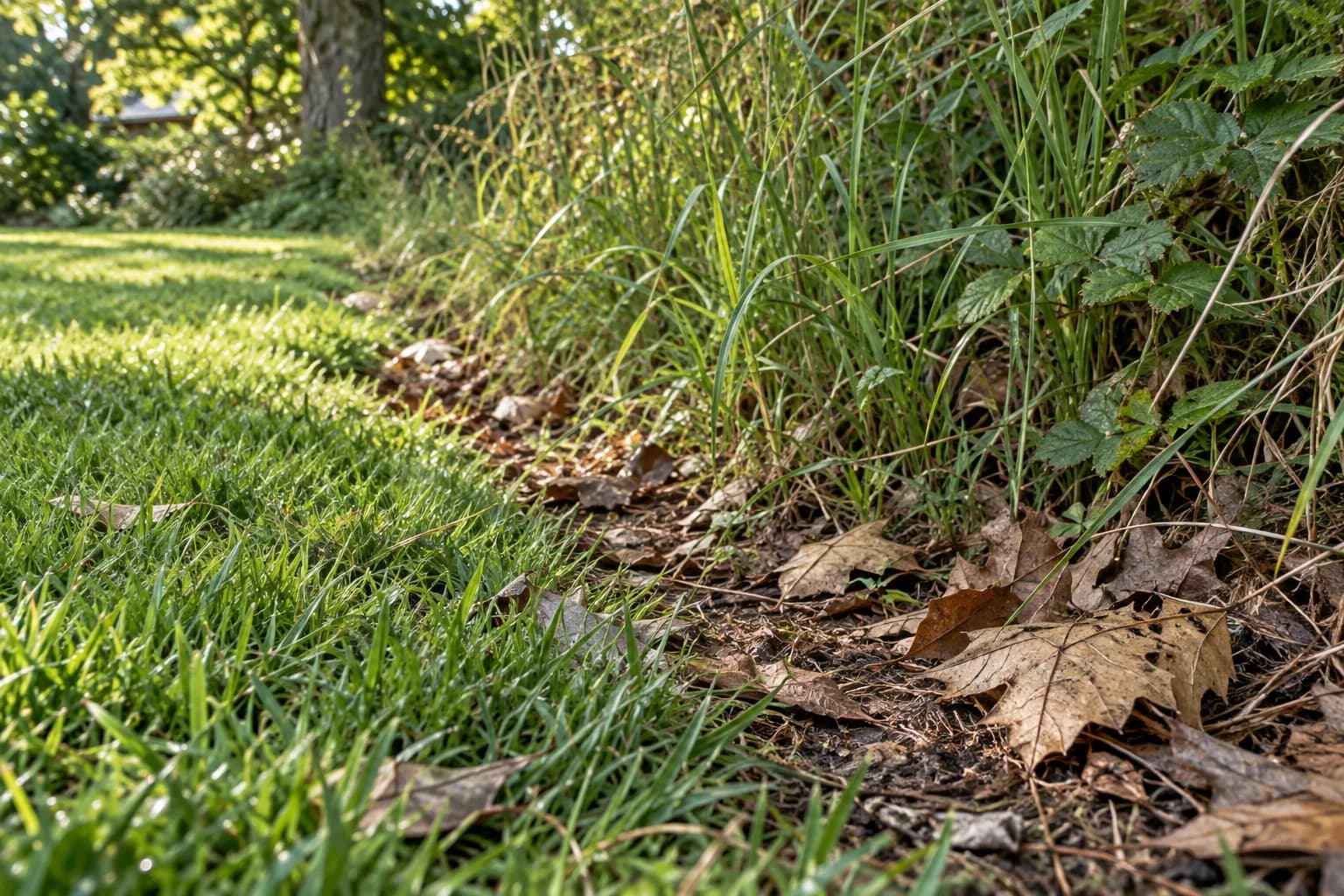
The most effective chigger control combines habitat modification, personal protection, and targeted pesticide use. Start by reducing favorable habitat: keep grass short, remove leaf litter and brush piles, and prune overgrown shrubs. Create a 3-foot barrier of wood chips or gravel between your lawn and wooded areas to discourage mite migration. Use repellents on yourself: DEET (20–30%) on skin, and permethrin on clothing. When chigger activity is high, consider a professional barrier treatment in late May or early June, when larvae first emerge. This single application often controls chiggers for the entire season. Follow up with spot treatments if you see new activity. Avoid broad-spectrum pesticides that kill beneficial insects; choose products specifically labeled for mites. By combining these strategies, you can enjoy your Ohio yard without the itch.
DIY vs Professional Chigger Control
| Factor | DIY | Professional |
|---|---|---|
| Cost per treatment | $20–$80 | $100–$450 |
| Effectiveness | Moderate (50–70%) | High (80–95%) |
| Duration of control | 2–4 weeks | 4–6 weeks |
| Time required | 1–3 hours | 30–60 minutes |
| Safety risk | Moderate if misapplied | Low (licensed applicators) |
| Best for | Small yards, low pressure | Large yards, heavy infestations |
What Affects Cost
- ✓Size of your yard (acreage and shape).
- ✓Severity of infestation (multiple treatments may be needed).
- ✓Type of treatment (liquid spray vs. granules vs. organic).
- ✓Accessibility of the property (steep slopes, dense brush).
- ✓Number of treatments included in a service plan.
- ✓Geographic location within Ohio (southern counties may have higher pressure).
- ✓Whether you choose a one-time treatment or a seasonal subscription.
What’s your biggest struggle with chiggers?
When to Call a Professional
If you’ve tried mowing, clearing brush, and using repellents but family members are still getting bitten, it’s time to call a professional. Also call if you’re unsure about the safety of applying pesticides yourself, especially if you have children, pets, or a vegetable garden. A pro can conduct a thorough inspection, identify hotspots, and apply targeted treatments that are more effective than over-the-counter products. Chigger Control offers inspection terms that vary by provider and a service guarantee—call +1 888 546 7983.
DIY vs Professional
DIY chigger control works well for small, low-pressure yards. Mowing short, clearing brush, and applying granular insecticides can reduce chigger numbers. However, DIY products often miss hidden areas (wood edges, shaded ground cover) where chiggers thrive. Professional treatments use more concentrated, longer-lasting products and specialized equipment to reach every crevice. For most Ohio homeowners, a professional spring treatment followed by DIY maintenance is the best balance of cost and effectiveness. Professionals also know the local chigger species and peak timing for your specific region.
Local Context
Ohio’s chigger season typically runs from May through September, but timing varies by region. In southern Ohio, adults may start seeing bites in April if spring is warm. Northern Ohio may not see significant activity until June. The state’s diverse geography means that chigger problems are most acute in the unglaciated Appalachian Plateau (southeast) and the Bluegrass region (south-central). Homeowners in these areas should consider professional treatment as a routine part of spring yard prep. In contrast, those in the Lake Erie plain or the till plains of western Ohio may only need occasional spot treatments. Chigger Control serves all of Ohio, with technicians who understand local patterns. Our inspection terms that vary by provider identifies your yard’s specific risk areas. For city-specific advice, check our guides for Columbus, Cincinnati, Cleveland, Dayton, and Akron. Call +1 888 546 7983 to schedule your inspection terms that vary by provider today.
Prevention Tips
- ✓Mow your lawn regularly to a height of 2–3 inches; chiggers prefer tall grass.
- ✓Clear brush, leaf litter, and weed patches from your yard, especially near play areas.
- ✓Create a barrier of wood chips or gravel between wooded areas and your lawn.
- ✓Apply permethrin to clothing and gear (not skin) before outdoor activities.
- ✓Shower with soap and water immediately after being in grassy or brushy areas to remove chiggers before they bite.
- ✓Wash outdoor clothing in hot water after each use.
- ✓Keep pets out of tall grass and consider using veterinarian-approved tick/mite prevention products.
💡 Did You Know?
- ★Chiggers are not insects; they are arachnids, closely related to spiders and ticks.
- ★The intense itching from a chigger bite is not from the bite itself but from the body’s allergic reaction to the mite’s saliva.
- ★Chiggers prefer feeding on areas where clothing is tight, such as sock lines and waistbands, because they can easily reach the skin.
Frequently Asked Questions
Do chiggers burrow into your skin?
How long do chigger bites last?
What is the best treatment for chigger bites?
Can chiggers infest my home?
How often should I treat my yard for chiggers?
Are chiggers dangerous to pets?
What time of day are chiggers most active?
Do chiggers die in winter?
Related Pages
Content provenance and service transparency
Generated grounded in national/state data + curated facts.
Published by Chigger Exterminator · No named licensed-professional review is claimed · Updated 2026-06-17T22:55:06.147Z
How this content is produced and correctedStop the Itch — Get Your Free Chigger Inspection Today!
Call +1 888 546 7983 or schedule online to reclaim your yard from chiggers.