The short version
Cincinnati sits at the warm southern edge of Ohio, so its chigger season starts earlier and runs later than the northern half of the state, with heavy biting from June into August and activity possible from May until a killing frost. Bites come from shaded, weedy ground, not from mowed lawn. The larvae feed at the surface and drop off after a few days.
- Professional attention is required for established chigger infestations in the South, Southeast, Midwest, and Southwest, where they are most prevalent.
- Peak activity occurs late spring through early fall (May-September). The warm, humid months bring peak chigger bites in grassy and brushy parts of the South and Midwest.
- Cincinnati's humid subtropical climate influences chigger activity patterns year-round.
- Early intervention prevents infestations from spreading and reduces overall treatment costs.
- Smith and colleagues' 1998 case series of 94 pediatric patients at a single Midwestern U.S. emergency department found physicians attributing 98% of cases to insect or chigger bites, an attribution rather than laboratory confirmation, from a selected clinical group rather than the general population.
Written for people with wooded or brushy hillside behind the house, gardeners who spend hours in shaded beds, and parents whose kids come in from the yard covered in welts by bedtime. Renters in older Cincinnati neighborhoods will find the section on who is responsible for cutting the overgrown strip particularly relevant.
What to look for
Cincinnati's biting mite is Eutrombicula alfreddugesi, the species Missouri Extension credits with most chigger bites nationwide and describes as preferring disturbed grassy and weedy upland ground. On the hillsides that define this city's housing, that description covers a lot of territory: the untended slope below a retaining wall, the strip where a mowed yard gives up and becomes woods, the honeysuckle-choked edge along a back property line. What you feel is the larval stage only. It is about 1 by 150th of an inch across, per Ohio State Extension, small enough that you will never confirm one visually. It climbs to the tip of whatever it is standing on, grabs a passing leg, and moves up your body until clothing pins it in place. Then it settles at the skin surface and feeds for two to four days before releasing. The idea that it burrows in is wrong, and it leads to bad first aid. Nothing is embedded, nothing needs extracting, and the itching you get is a reaction to the feeding site rather than to a mite still present.
- 1Welts appearing hours after yard work rather than during it.
- 2Bites lined up along the sock top, belt line, or under elastic.
- 3A pattern that follows one path across the yard, usually toward the wooded edge.
- 4Everybody who walked the same slope itching the same evening.
- 5Itching that peaks on day two or three instead of the first night.
- 6A dog scratching at its belly after nosing through tall growth.
- 7No visible insect on the skin despite the severity of the reaction.
Why it’s worth acting soon
- Broken skin from scratching is the real medical risk, since the mites themselves carry nothing here.
- An untreated brushy slope keeps producing larvae into fall.
- Nights of poor sleep for kids, who scratch harder and heal slower.
- The shaded overgrowth also shelters ticks and rodents that use the same cover.
- Waiting past midsummer means paying for a treatment after the worst weeks have passed.
Treatment options and typical costs
Chemical Treatment
$150-$500
Professional chemical treatment for chigger control. EPA-registered products applied with precision to target areas, providing residual protection.
- Time
- 1-2 hours
- Best for
- Light to moderate infestations in Cincinnati, OH.
Heat Treatment
$800-$2,500
Professional heat treatment for chigger control. By heating the affected area to lethal temperatures in one session, all life stages are eradicated without chemicals.
- Time
- 4-8 hours
- Best for
- Severe or whole-structure infestations in Cincinnati, OH.
Exclusion Services
$300-$1,200
Professional exclusion services for chigger control. It seals potential entry points and uses physical barriers to block pests from entering and reinfesting.
- Time
- 2-4 hours
- Best for
- Preventing re-entry and future infestations in Cincinnati, OH.
Integrated Pest Management (IPM)
$200-$800
Professional integrated pest management (ipm) for chigger control. Combines multiple control methods with ongoing monitoring for sustainable, long-term results.
- Time
- Ongoing monitoring
- Best for
- Long-term prevention and environmentally conscious control in Cincinnati, OH.
Prices are typical published ranges. Ask what’s included before you compare quotes.
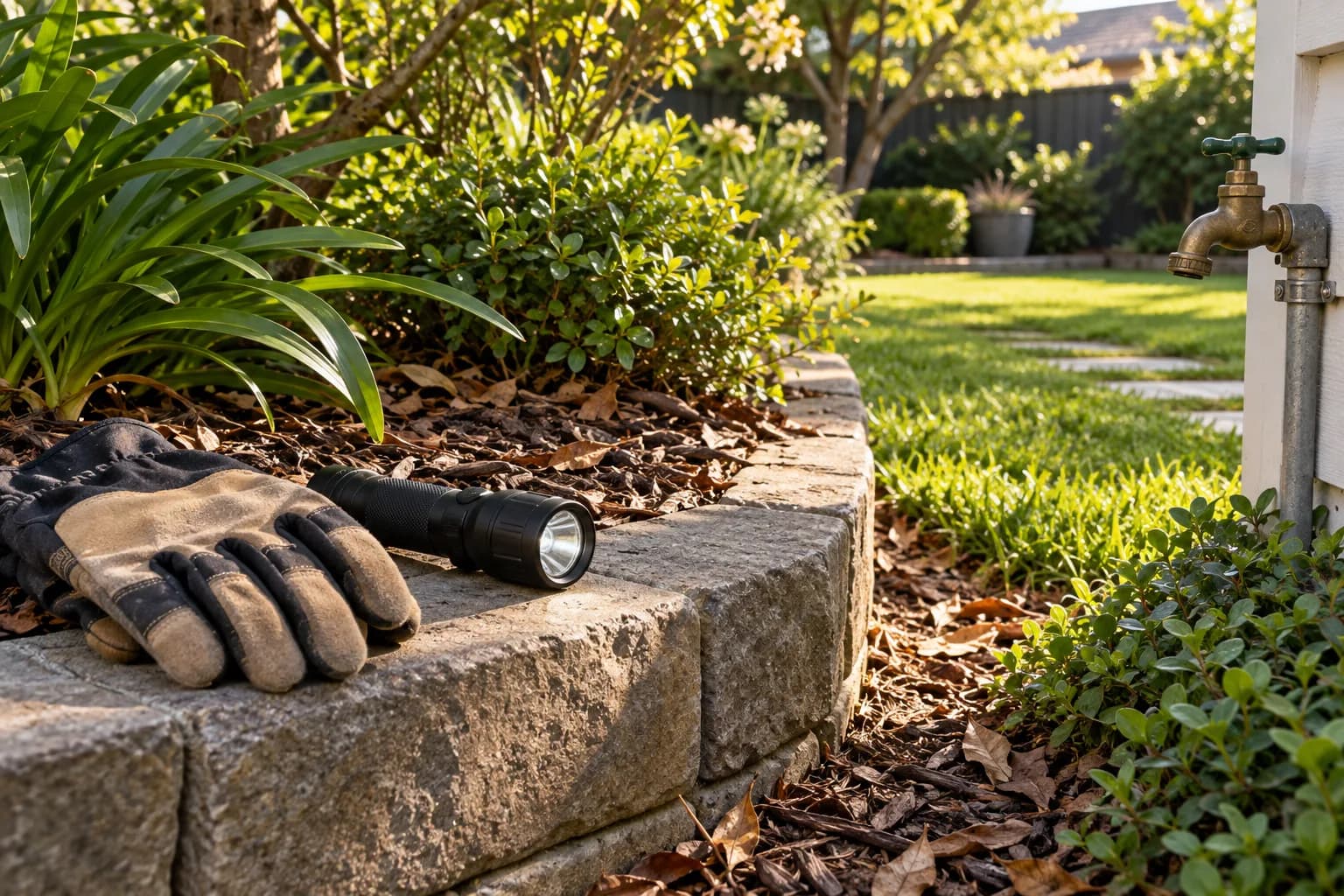 Thick, damp mulch by the house can hold chiggers. Keep it thin and let it dry out.
What to Expect During a Professional Chigger Treatment.
When you schedule chigger control with chigger control, in Cincinnati, Ohio, each service starts with a property-specific inspection for chiggers pressure. In Cincinnati, a licensed technician examines your property — interior and exterior — to identify the pest species, locate harborage areas, assess the infestation's severity, and identify conditions conducive to re-infestation. This evaluation allows them to propose a treatment plan that is customized to your specific circumstances. The nature of the treatment—targeted chemical applications, physical removal, exclusion work, or heat treatment—depends on the pest and property. After treatment, you'll receive a detailed report and prevention recommendations. Follow-up visits ensure the problem is fully resolved.
Local chiggers conditions in Cincinnati.
Cincinnati sits in a humid subtropical climate, and that sets the pace for chigger activity here: late spring through early fall (May-September). In Cincinnati, the area is mostly urban, so chiggers pressure can differ from one block to the next depending on how tight the entry points are and how much food, water, or shelter is close by. An inspection in Cincinnati usually starts outside and works inward, checking the foundation, gaps around doors and windows, and any moisture or clutter near the structure first. Knowing Cincinnati's seasonal timing lets you schedule treatment before the busy stretch rather than after it, which usually means faster service and a more accurate quote. A provider who works Cincinnati and Ohio every day can point out the specific conditions that matter most here, and getting the scope, price, and follow-up terms in writing makes it easier to compare options.
 Damp leaf piles hold moisture chiggers like. Rake them away from the house.
chigger control for Homeowners in Cincinnati.
Different property types face different chigger challenges. Single-family homes frequently deal with pests entering from the outside through foundations, attics, or attached garages. Regular perimeter treatments and exclusion work provide excellent protection.
Seasonal Chigger Activity and When to Schedule Treatment.
Late spring through early fall (May-September). Chigger bites reach their peak during warm, humid months in the grassy and brushy terrains of the South and Midwest. In Cincinnati, spring treatments can prevent summer outbreaks. Treatment could consist of specific chemical applications, physical removal, exclusion work, or heat treatment, all based on the pest and property.
Why Chiggers Thrive in Cincinnati.
Chiggers are remarkably adaptable. They concentrate in tall grass, brush, and shaded, humid ground cover. In Cincinnati, where the humid subtropical climate provides 70% average humidity and temperatures ranging from 23°F in winter to 86°F in summer, these pests find the resources they need to establish and expand their populations. In Cincinnati, pest control pros understand these environmental factors and adjust treatment strategies accordingly — targeting breeding sites, disrupting life cycles, and creating barriers that account for local conditions.
What affects the price
- How steep the ground is, since a hillside application takes longer and needs different equipment than a flat lawn.
- The linear footage of brushy edge, which on a wooded Cincinnati lot can be most of the property line.
- Whether brush cutting and hauling is inside the quote or billed as separate landscaping.
- The number of return visits, because a residual product does not span a season running from May to frost.
- Whether the habitat sits partly on adjoining land the company cannot treat.
- Vegetation density, since a honeysuckle thicket takes far more work than knee-high weeds.
- How close the treated ground is to a vegetable garden, pond, or play area that limits product choice.
📊
What's your biggest concern about chiggers?
When to call for help
Call a pro when the brushy source is on a slope you cannot safely work, when you have already cleared what you can reach and bites continue, or when someone in the house reacts strongly enough that the yard is off limits. It is also worth a call if you are trying to get a landlord or an association to act, because a written assessment naming the habitat carries more weight than a complaint. When you talk to a company about a Cincinnati property, ask them to walk the slope and identify the specific band they intend to treat. If the answer is the whole lawn, keep looking.
What you can do yourself
Plenty of chigger problems here are solved with a mower and a pair of loppers. The mites need low vegetation to climb and shaded damp soil to shelter in, and cutting that back removes the habitat outright, which no spray does. If the biting ground is flat, reachable, and yours, doing it yourself is genuinely the better option. The case for hiring out gets stronger with slope. A lot of Cincinnati properties drop away steeply behind the house, and clearing that ground is real work with real footing risk. A pro also brings the ability to apply a residual product legally and correctly, and the judgment to say which parts of a wooded edge matter and which do not. The right split for many households is professional clearing once, then their own mowing to keep it that way through the summer.
Chiggers in Cincinnati
Cincinnati's climate does chiggers a favor at both ends of the calendar. The city is classified humid subtropical rather than continental, with summer highs averaging 86F and humidity near 70 percent, and 43 inches of rain a year falling on ground at 482 feet in a river valley. That combination keeps shaded soil damp through midsummer, which is what larvae need between hosts. It also stretches the window. Missouri Extension's guidance for this kind of climate runs from May through the first killing frost, which is longer than the June to August peak Ohio State cites for the state as a whole. Purdue's observation that these mites are more numerous in the south of the region than the north points the same direction. The housing helps explain the rest. A city settled in 1788 grew across hillsides, and hillside lots come with wooded back edges, retaining walls, and shaded slopes that nobody mows. That edge is where the bites start.
Chigger tips for Cincinnati
Where to watch out around Cincinnati
With 70% humidity and about 43 inches of rain a year, Cincinnati has plenty of the damp, shady ground chiggers like. Bites peak in early to midsummer.
Check first
shady park edges, overgrown lots and damp fence lines.
Quick fixes
Mow short, trim low branches and stop watering shady beds so often.
Before you head out
Repellent on socks and cuffs. Shower and wash clothes after.
Local research
Chiggers in Cincinnati, OH: what the public record shows
Before you compare quotes, it helps to know which chiggers actually live in Ohio, when they are busiest around Cincinnati, and what the state figures look like. Everything below links to the agency or university page it came from.
When chiggers are busiest around Cincinnati
Peak June through August after temperatures exceed 60°F; several generations per year.
Ohioline lists bifenthrin or permethrin for localized treatment plus brush control, mowing, and increased sun exposure.
Sources: Ohio State University Extension (Ohioline); University of Missouri Extension. Figures are quoted as the source prints them. How we check our sources
Simple ways to keep chiggers away
- Mow on a fixed schedule from May onward instead of waiting for the grass to look long.
- Keep a wide cut buffer between the lawn and any wooded or brushy edge.
- Limb up trees along the slope so afternoon sun reaches ground that stays damp.
- Pull honeysuckle and other dense low growth back from paths people actually use.
- Rake leaf litter off the yard side of the tree line each spring.
- Route walking paths through open sun rather than along the shaded edge.
- Tuck pants into socks before working the slope, and treat those socks with permethrin.
- Shower and change within an hour or two of finishing outdoor work.
- Keep firewood and brush piles off the ground and away from where children play.
 If you get a quote, ask which spots will be treated and how long to stay off the lawn.
Did you know?
Chiggers inject digestive enzymes that liquefy skin cells - the cause of the itch.
The myth that chiggers burrow under the skin is false.
Questions people ask
Are the chemicals used safe for my family and pets?
pest control pros use EPA-registered products applied according to strict safety protocols. When applied correctly by a licensed technician, treatments pose minimal risk. You will receive specific safety instructions from the exterminator, such as leaving the house for 24 hours, depending on the chemicals applied.
How do I know if I have a chigger infestation?
Check for visible pests, droppings, damage to property, unusual odors, or physical symptoms like bites. When unsure, a professional inspection can confirm an active infestation and identify the species and severity.
Can I treat chiggers myself?
Do-it-yourself approaches can be effective for very light, early-stage issues, but they are seldom successful against established infestations. Chiggers are skilled at hiding, and store-bought products often lack the strength and coverage of professional-grade treatments. For reliable results, professional control is recommended.
What is the best time of year for chigger control?
However, professional chigger control is effective year-round. Preventative treatments in the off-season can stop infestations before they start.
How can I prevent chiggers from coming back?
Preventative measures include sealing entry points, reducing moisture and food availability, ensuring cleanliness, and setting up routine professional inspections. An integrated pest management (IPM) plan provides ongoing protection.
What are the symptoms of chigger bites in children?
Itching dominates. In Cincinnati, for parents, itching is the symptom to expect: 84% of the children in a 1998 study of 94 children had it. Local conditions in Cincinnati, Ohio can differ from the survey population. Confirm the specifics with an on-site inspection. Treat it as a rough guide, not a local count.
How can you tell if swelling is from chigger bites?
Look for other bites and recent outdoor play. In Cincinnati, bites elsewhere are a strong clue, since 56% of children in a 1998 study of 94 children had them, and for parents that older figure suggests checking ankles, waistbands and skin folds when a child has unexplained genital swelling.
Nearby cities
Related guides
Sources (18)
The facts in this article come from the public sources listed above. Every home is different, so ask the company you talk to about pricing and what’s included. Published by Chigger Exterminator · Updated September 11, 2026 · How we write these guides