Around Arkansas
Conditions vary across the state. Choose your city below, then describe what’s happening around your home or business.
Local chigger information
Learn what to look for around your property, explore your city, and ask about an inspection or a quote.
Conditions vary across the state. Choose your city below, then describe what’s happening around your home or business.
Where you see chiggers, how long it has been going on, and anything you’ve already tried are the most useful details to mention.
Ask about an inspection, what treatment would involve, and whether follow-up visits are included. You don’t need to identify the problem yourself before getting in touch.
Before you compare quotes, it helps to know which chiggers actually live in Arkansas, when they are busiest, and what the state figures look like. Everything below links to the agency or university page it came from.
Arkansas extension notes chiggers are more common in warmer southern and midwestern states, which puts Arkansas in the heavy-pressure band.
University of Arkansas System Division of Agriculture, Cooperative Extension ServiceExtension advises walking the center of mowed trails rather than through vegetation at the edges.
University of Arkansas System Division of Agriculture, Cooperative Extension ServiceWelts often keep growing for about seven days, which is why people assume a much larger infestation than they encountered.
University of Arkansas System Division of Agriculture, Cooperative Extension ServiceArkansas extension reports chiggers are most common in the spring through fall months and are more common in the warmer southern and midwestern states than elsewhere in the country.
Extension entomologist John D. Hopkins advises avoiding overgrown fields and brush, walking the center of mowed trails, tucking long pants into boots or socks, wearing loose clothing, and using DEET on skin and clothing with permethrin on clothing only. Chiggers in the U.S. are not known to carry or transmit diseases.
Sources: University of Arkansas System Division of Agriculture, Cooperative Extension Service; University of Missouri Extension; Ohio State University Extension (Ohioline). Figures are quoted as the source prints them. How we check our sources
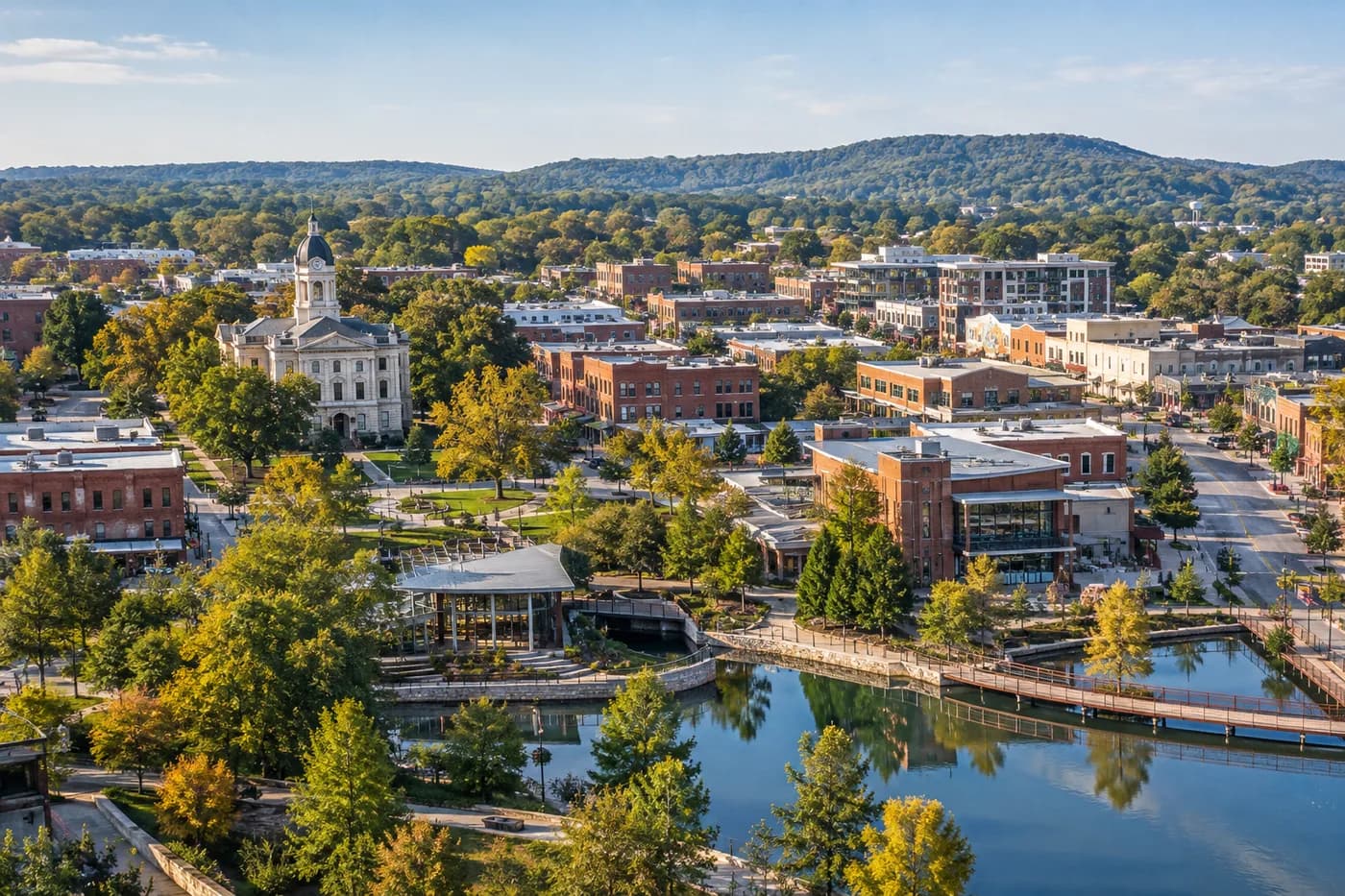
Humid Subtropical · suburban setting
Read the local guide →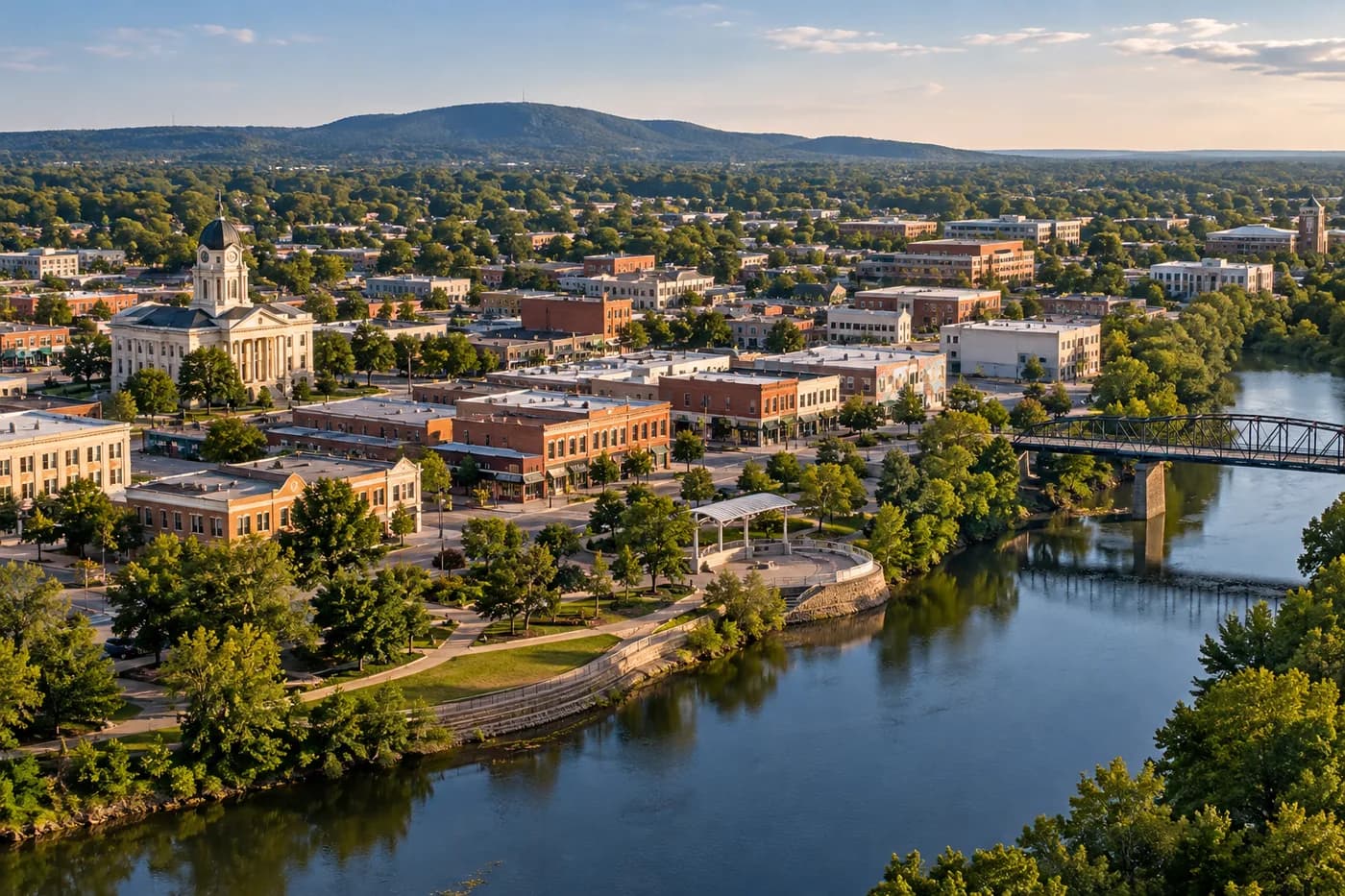
Humid Subtropical · suburban setting
Read the local guide →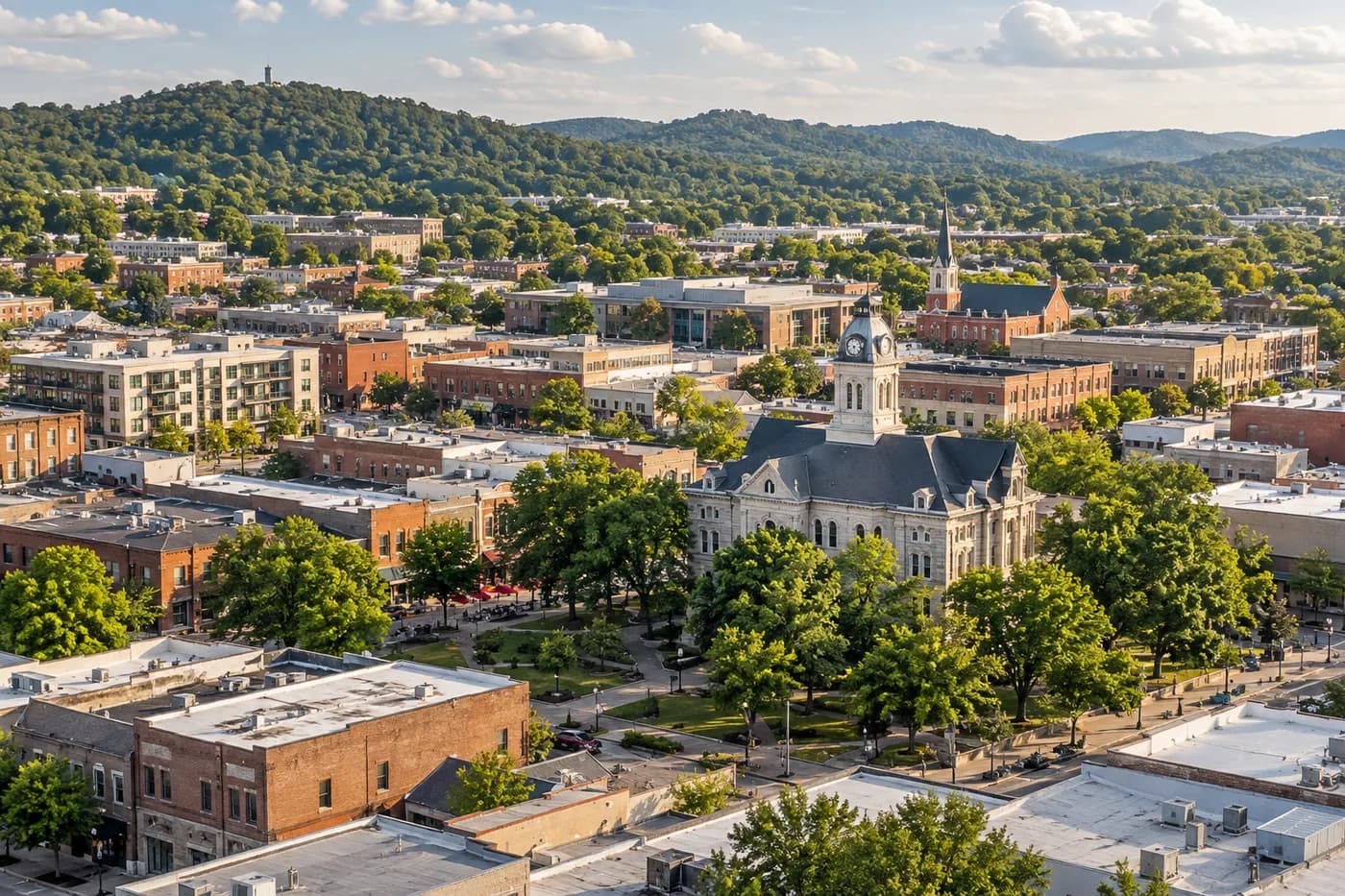
Humid Subtropical · urban setting
Read the local guide →
Humid Subtropical · urban setting
Read the local guide →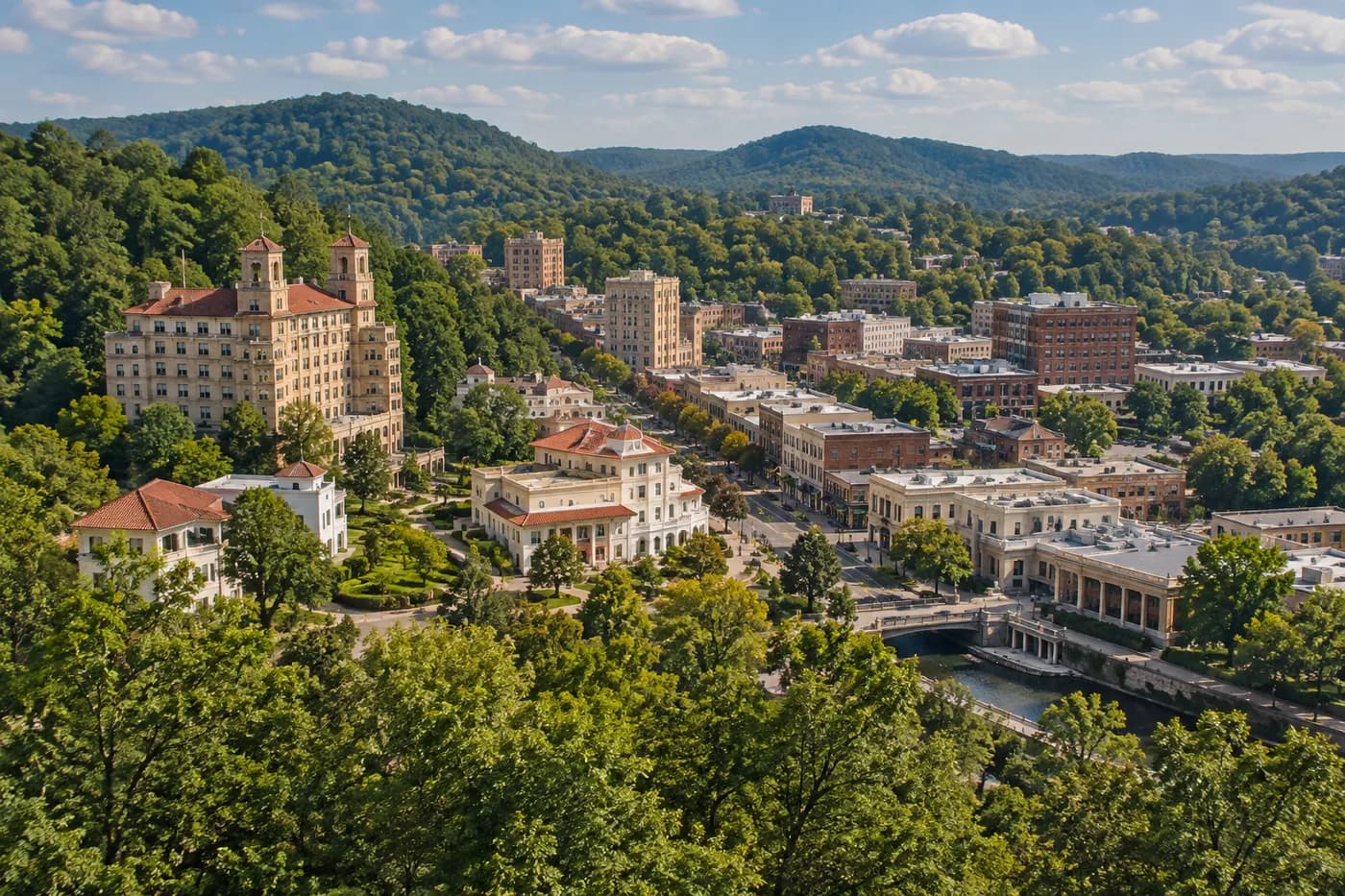
Humid Subtropical · suburban setting
Read the local guide →
Humid Subtropical · suburban setting
Read the local guide →
Humid Subtropical · urban setting
Read the local guide →
Humid Subtropical · urban setting
Read the local guide →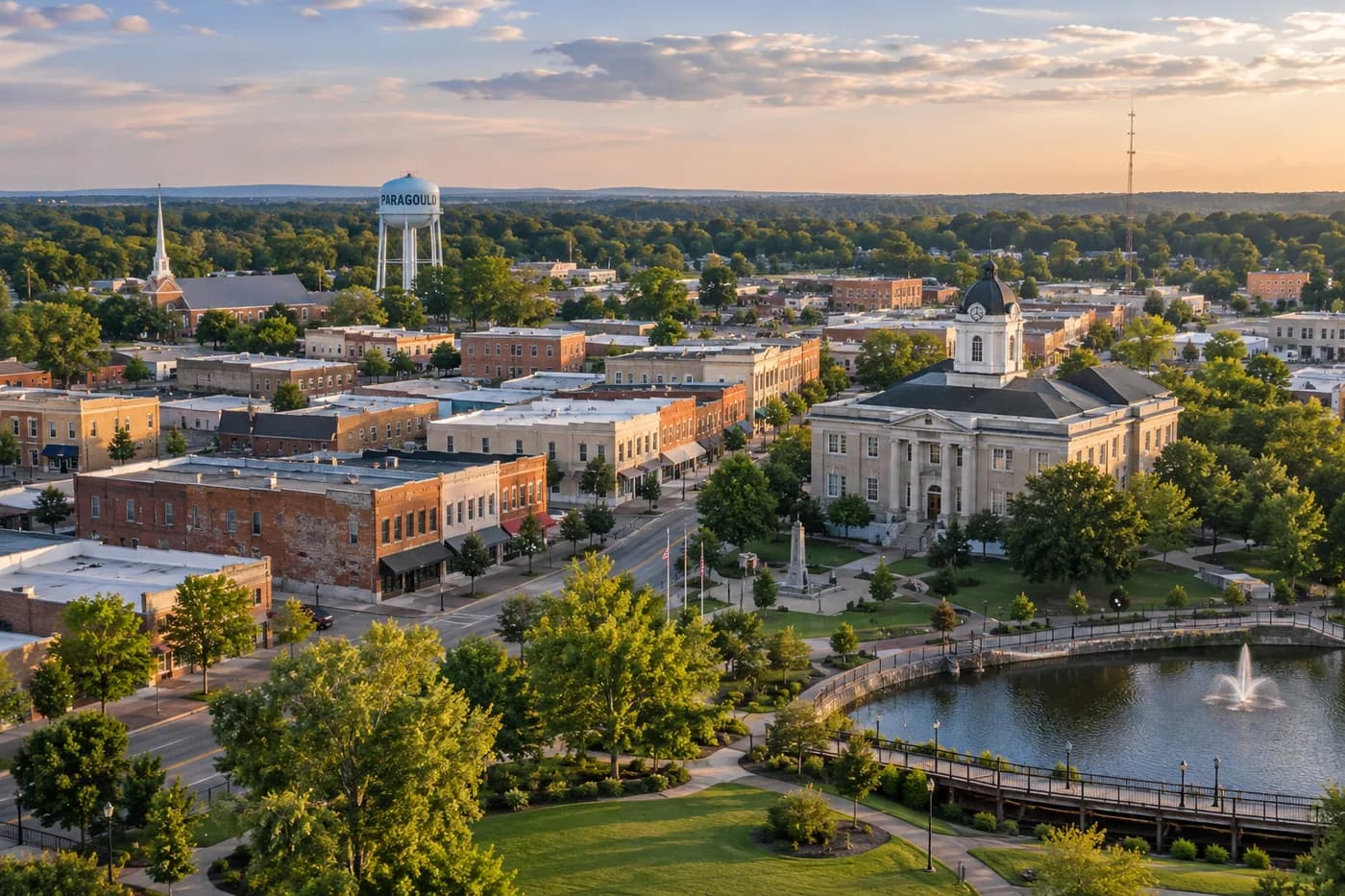
Humid Subtropical · rural setting
Read the local guide →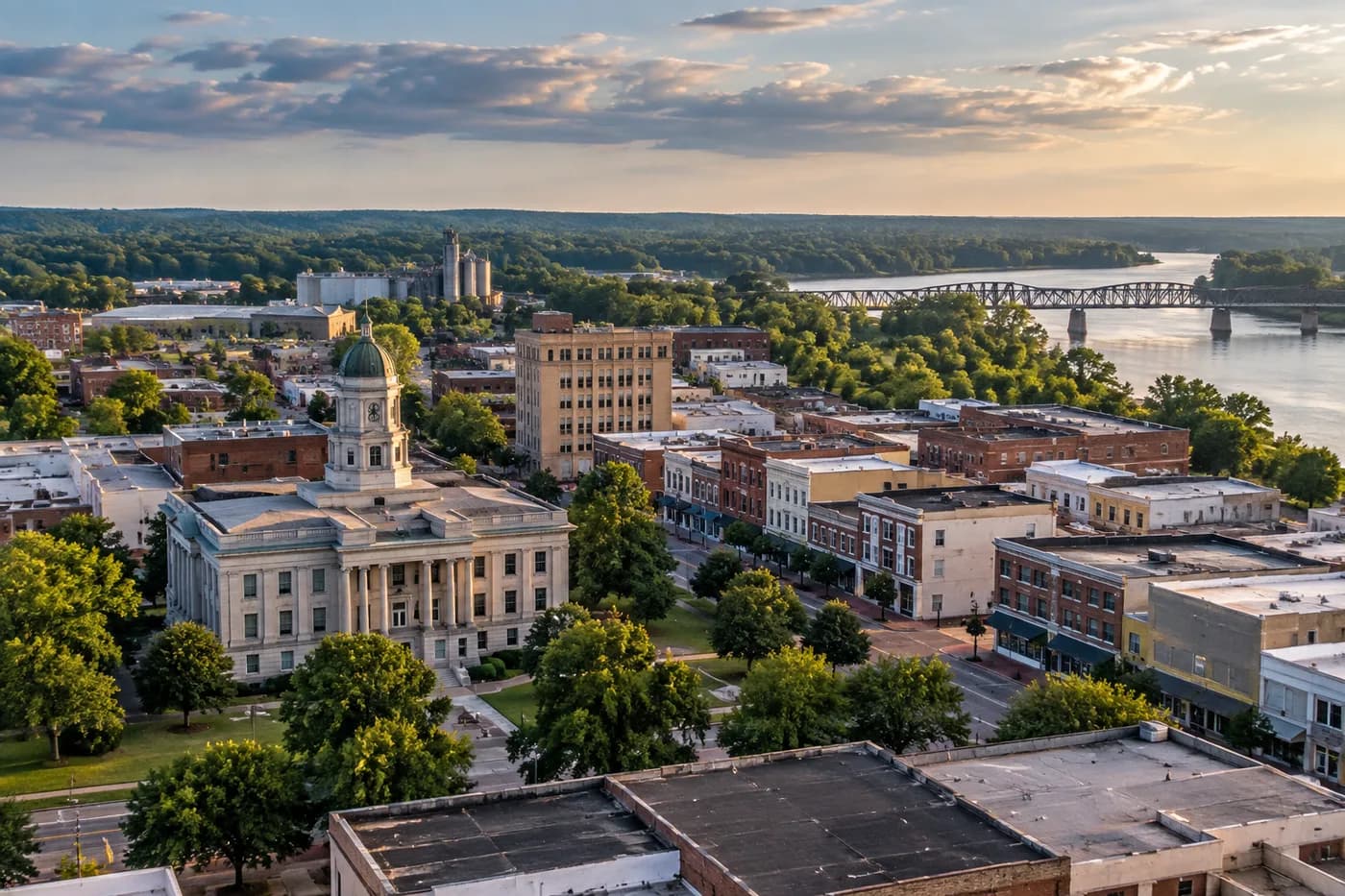
Humid Subtropical · urban setting
Read the local guide →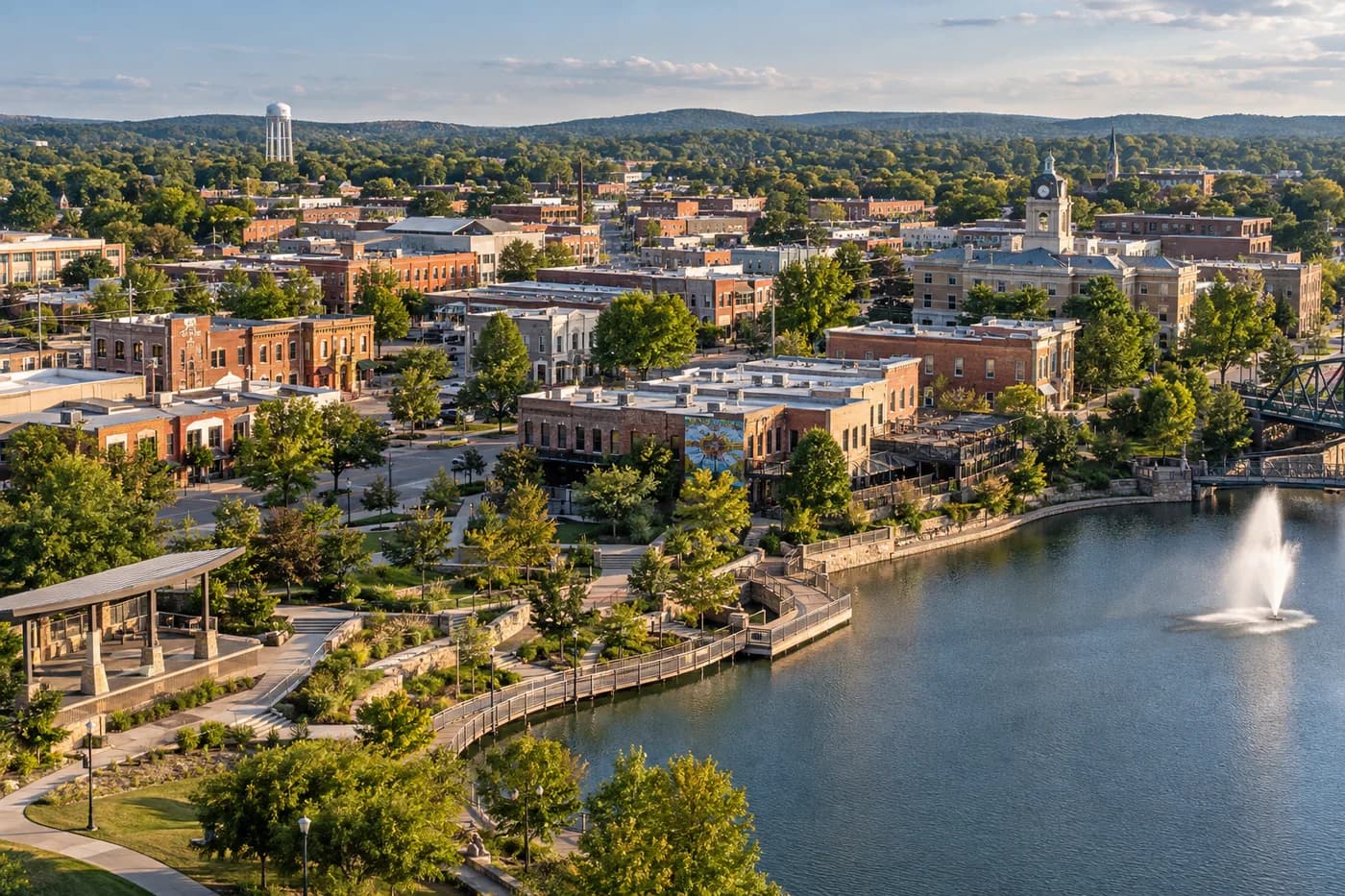
Humid Subtropical · suburban setting
Read the local guide →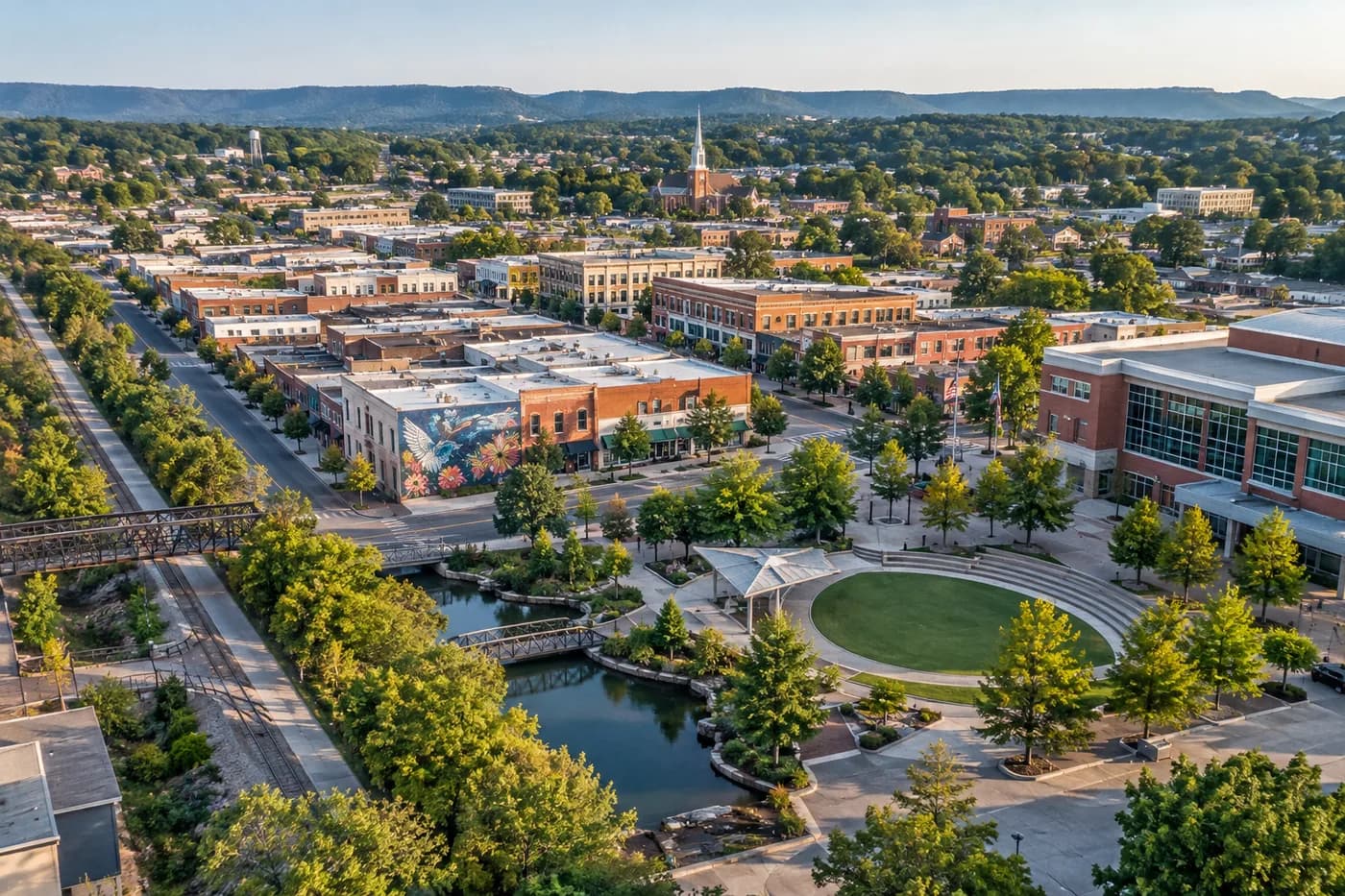
Humid Subtropical · suburban setting
Read the local guide →
Humid Subtropical · urban setting
Read the local guide →
Humid Subtropical · suburban setting
Read the local guide →