The short version
Tampa sits far enough north in Florida to get a real winter lull, with average lows of 52F falling below the 60F activity threshold. Chiggers restart in spring and live in low, damp, heavily vegetated ground. The larvae feed at the skin surface without burrowing, so thinning that vegetation is the fix.
- In the South, Southeast, Midwest, and Southwest, where chiggers are most prevalent, established infestations require professional attention.
- Peak activity occurs late spring through early fall (May-September). Chigger bites are at their worst in warm, humid months, particularly in grassy and brushy areas of the South and Midwest.
- Tampa's humid subtropical climate influences chigger activity patterns year-round.
- Early intervention prevents infestations from spreading and reduces overall treatment costs.
Aimed at Tampa homeowners with dense low planting or a shaded damp side yard, renters trying to work out who maintains the grounds, gardeners working beds through most of the year, and parents whose children come in itching after playing in shade. If you want to know what to change before hiring anyone, work through the sections in order.
What to look for
The welt is your own reaction to the feeding structure it forms, which is why the itching starts hours later and continues long after the mite is gone. Nothing goes beneath the skin. It attaches at the surface, feeds for two to four days, then drops off. The larva climbs a low stem, catches a passing leg, and moves until clothing stops it. UF/IFAS describes where it waits as low, damp, heavily vegetated areas with shrubs and rodents, which is a fair account of thick landscaping on a warm, wet, low-lying lot. That larva is about 1/150 of an inch across per Ohio State Extension, so you will not spot it. In both cases only the larva bites. UF/IFAS lists Eutrombicula alfreddugesi, which Missouri Extension identifies as the source of most bites nationally, along with Eutrombicula splendens in wetter southern ground. Two species occur in this state.
- 1Clusters of hard red welts along the sock line, waistband, or under a strap.
- 2Itching that begins hours after being outside and peaks on the second or third day.
- 3Bites traced to a specific patch of thick low planting rather than the open lawn.
- 4Welts that stay itchy for five to ten days without further exposure.
- 5Bites returning each spring and easing off during the coolest weeks.
- 6Rodent signs in the same overgrown area producing the bites.
- 7No visible insect on the skin under any inspection.
Why it’s worth acting soon
- Broken skin from scratching can get infected, which Purdue Extension flags as the real concern.
- With up to five generations possible in Florida, an untouched area keeps producing bites.
- Dense growth sheltering rodents supplies both cover and hosts at the same time.
- Beds that stay damp on low ground carry the population from one season to the next.
- Outdoor space goes unused through most of a year that is built for being outside.
Treatment options and typical costs
Chemical Treatment
$150-$500
Professional chemical treatment for chigger control. EPA-registered products applied with precision to target areas, providing residual protection.
- Time
- 1-2 hours
- Best for
- Light to moderate infestations in Tampa, FL.
Heat Treatment
$800-$2,500
Professional heat treatment for chigger control. In a single treatment, the area is heated to temperatures that are lethal, destroying all life stages without chemicals.
- Time
- 4-8 hours
- Best for
- Severe or whole-structure infestations in Tampa, FL.
Exclusion Services
$300-$1,200
Professional exclusion services for chigger control. To prevent pests from entering and reinfesting, entry points are sealed and physical barriers are put in place.
- Time
- 2-4 hours
- Best for
- Preventing re-entry and future infestations in Tampa, FL.
Integrated Pest Management (IPM)
$200-$800
Professional integrated pest management (ipm) for chigger control. Combines multiple control methods with ongoing monitoring for sustainable, long-term results.
- Time
- Ongoing monitoring
- Best for
- Long-term prevention and environmentally conscious control in Tampa, FL.
Prices are typical published ranges. Ask what’s included before you compare quotes.
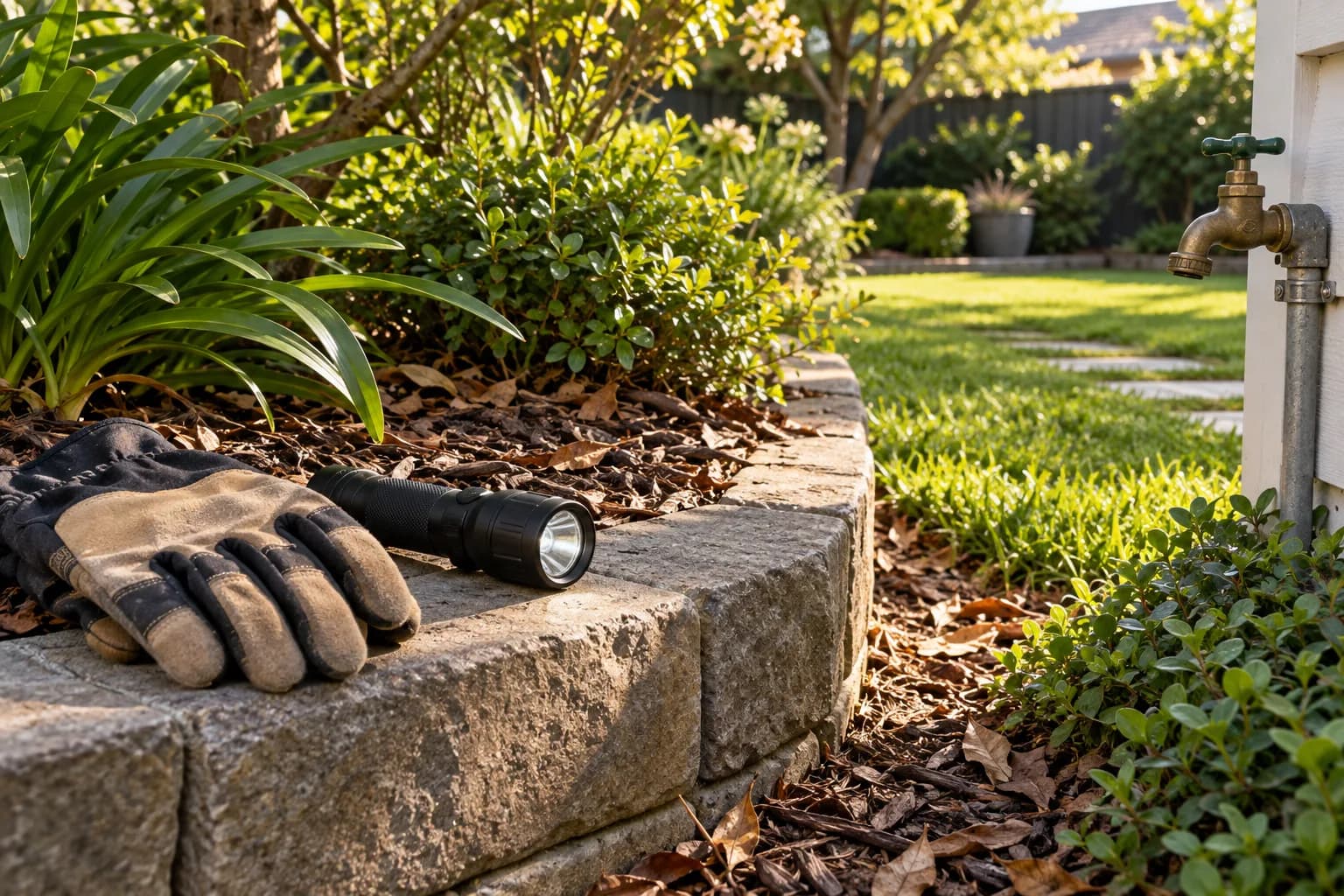 Thick, damp mulch by the house can hold chiggers. Keep it thin and let it dry out.
Why Tampa is not South Florida for this pest.
The distinction matters more than the map suggests. UF/IFAS notes that chiggers in South Florida may be active all year, while elsewhere in the state adults overwinter in protected places and become active in spring. Tampa falls in the second group, and the reason is a single number. Ohio State Extension puts the activity threshold at 60F. Tampa winter lows average 52F, which sits below it. Miami winter lows average 60F, which sits right at it. That eight-degree difference is what buys the Bay area a genuine cool-season lull. The practical use of that lull is scheduling. Heavy pruning, hedge lifting, brush removal, and drainage work all belong in the cool weeks, because you are removing habitat before the population restarts rather than disturbing it mid-season. Homeowners who do that work in January consistently spend less over the following year than those who react to bites in July. The other half of the advantage is knowing when the pause ends. Once daytime temperatures settle above the threshold in spring, mowing and clearing need to be routine again rather than occasional, because the population rebuilds from whatever cover survived the winter.
Local chiggers conditions in Tampa.
Tampa sits in a humid subtropical climate, and that sets the pace for chigger activity here: late spring through early fall (May-September). In Tampa, the area is mostly urban, so chiggers pressure can differ from one block to the next depending on how tight the entry points are and how much food, water, or shelter is close by. An inspection in Tampa usually starts outside and works inward, checking the foundation, gaps around doors and windows, and any moisture or clutter near the structure first. Knowing Tampa's seasonal timing lets you schedule treatment before the busy stretch rather than after it, which usually means faster service and a more accurate quote. A provider who works Tampa and Florida every day can point out the specific conditions that matter most here, and getting the scope, price, and follow-up terms in writing makes it easier to compare options.
 Damp leaf piles hold moisture chiggers like. Rake them away from the house.
Reading a Tampa lot for habitat.
UF/IFAS gives a description precise enough to use as a walking checklist: low, damp, heavily vegetated areas with shrubs and rodents. Take it literally and inspect the property against each term. Low means the parts of the yard where water collects, which on ground about 48 feet above sea level and 50 inches of annual rain can be more of the lot than you expect. Damp means soil still dark two days after a storm. Heavily vegetated means growth thick enough that you cannot see the ground through it. Rodents means droppings, runs, or nesting in the same area. Where three or four of those overlap, you have the source. Where only one applies, you usually do not. A sunny lawn that stays wet after rain rarely produces bites, and neither does dry thick planting in full sun. This test typically narrows the job to a couple of beds or one hedge line, which is exactly what you want established before anyone quotes.
What a first visit should cover.
The value of an initial visit is the diagnosis. Expect a pro to walk the whole property, push into the thick planting rather than looking at it from the path, check the soil under groundcover, and look behind sheds and along fences for rodent signs. They should also ask questions: which weeks the bites happened, who was bitten, where those people had been, and who maintains the landscaping. By the end they should name specific ground, describe what needs thinning before anything is applied, and tell you which parts of the property they will not treat. Get the plan in writing before work begins. It should list the product, the exact areas, the reentry interval for children and pets, and whether pruning and debris removal are their responsibility or yours. If the answer to that last question is yours, ask what condition they need the beds in when they arrive, because a residual applied over a dense canopy of foliage never reaches the soil where the larvae actually are.
What drives price, and how many visits you need.
Vegetation density is the first factor. A property with layered beds, mature hedges, and thick groundcover has far more of the habitat UF/IFAS describes than one with lawn and paving, and the work scales accordingly. The second is whether pruning is bundled. Thinning and lifting are landscaping labor, and quotes differ on whether the pest company handles it, coordinates it, or expects it done beforehand. The third is frequency, and this is where Tampa's climate gives you a real question to ask. Because the cool season interrupts activity, a year-round monthly schedule is harder to justify here than it would be farther south. Ask what each visit accomplishes and whether the cool months are included. The fourth is rodent work. If exclusion or cleanup is needed, find out whether it is quoted separately, since it is a different scope from a yard treatment and pricing it as an afterthought usually means it will not get done properly.
Renters, owners, and who controls the shears.
In much of Tampa the person being bitten is not the person who decides how the landscaping gets maintained, and sorting that out early saves a lot of frustration. If a management company or a grounds crew handles the yard, direct the request there and frame it as maintenance. Thinning overgrown groundcover, lifting hedge skirts, and hauling brush piles are ordinary tasks on a grounds contract and are easier to get approved than a pest treatment. If the lease puts the yard on you, then the same tasks are yours to schedule, and the cool months are the cheapest time to do them. Either way, put the request in writing and describe conditions rather than symptoms: name the bed or hedge run, note how dense and how damp it is, mention any rodent signs, and list the dates people were bitten. On properties where median home values run near $390,000, dense mature planting is usually intentional, so the goal is thinning and lifting rather than removal. Done properly the yard still looks right and simply stops holding larvae at ankle height.
Making protection a year-round habit.
Because Tampa's active season covers most of the calendar, the personal habits matter more here than the yard treatment does for many households. Start with clothing. Treat the clothes and shoes you use for yard work with permethrin, since the treatment survives several washes and works without you having to think about it. Add DEET or picaridin at the ankles and waistline, the two places larvae settle, and tuck pants into socks before going into thick planting. Then build the shower habit. Ohio State Extension puts feeding time at two to four days once a larva settles, but settling is not instant, so a hot soapy shower and a change of clothes within an hour or two of coming inside removes most of them first. With children, add short fingernails and an anti-itch cream to the routine. The bites themselves are harmless, and the damage comes from scratching them open over the five to ten days the itching runs.
What affects the price
- Seasonal demand — prices may fluctuate during late spring through early fall (May-September).
- Local Tampa market rates and cost of living.
- Treating a larger affected area consumes more product and labor.
- Severity and duration of the infestation.
- Type of treatment method selected (chemical, heat, exclusion, IPM).
📊
What's your biggest concern about chiggers?
When to call for help
Come with dates, locations, and who was bitten. In a climate this productive, a pro aimed at two specific beds will do more than one treating the property at large. Call when you have thinned what you can reach and bites keep happening, when the same area shows rodent activity, or when opening up mature planting is a real pruning job rather than an hour with hand shears. It is also worth calling if you have been on a spray schedule for a year with no improvement, because that pattern almost always means the habitat itself was never changed.
What you can do yourself
Thin first so anything applied reaches the soil, then decide what is genuinely left to buy rather than paying for a spray across a solid wall of foliage. Sequence matters. What a pro brings is the work you cannot easily do: serious pruning on mature planting, finding and sealing rodent entry points, and applying a pyrethroid or carbamate product correctly with the right reentry interval. Personal protection is entirely in your hands too. Thinning groundcover, lifting hedge skirts, clearing debris that traps moisture, and keeping dense growth off fence lines all reduce the low damp vegetated ground UF/IFAS points to. Pruning is the highest-value work here and much of it is yours.
Chiggers in Tampa
Tampa's position in the state gives it a different chigger calendar than places farther south. Average winter lows of 52F fall below the 60F threshold Ohio State Extension gives for activity, so the Bay area gets a real cool-season lull, and UF/IFAS notes that adults overwinter in protected places and become active in spring. That is a meaningful advantage over South Florida, where activity can run all year. The rest of the year, conditions are excellent for the mites: summer highs averaging 91F, humidity around 74 percent, 50 inches of annual rain, and ground about 48 feet above sea level that drains slowly in places. UF/IFAS describes the habitat as low, damp, heavily vegetated areas with shrubs and rodents, which fits a lot of established landscaping across a city of about 403,000 people where median home values sit near $390,000. Florida can run anywhere from one to five generations a year, so once the season starts it does not pause again until the cool weather returns.
Chigger tips for Tampa
Where to watch out around Tampa
With 74% humidity and about 50 inches of rain a year, Tampa has plenty of the damp, shady ground chiggers like. The season runs long here, from spring well into fall.
Check first
shady park edges, overgrown lots and damp fence lines.
Quick fixes
Mow short, trim low branches and stop watering shady beds so often.
Before you head out
Repellent on socks and cuffs. Shower and wash clothes after.
Local research
Chiggers in Tampa, FL: what the public record shows
Before you compare quotes, it helps to know which chiggers actually live in Florida, when they are busiest around Tampa, and what the state figures look like. Everything below links to the agency or university page it came from.
Generations per year
State extension figure useful for explaining local timing and treatment expectations.
UF/IFAS ExtensionComplete life cycle
State extension figure useful for explaining local timing and treatment expectations.
UF/IFAS ExtensionNymph/adult size
State extension figure useful for explaining local timing and treatment expectations.
UF/IFAS ExtensionWhen chiggers are busiest around Tampa
Active from spring; may be active all year in South Florida.
UF/IFAS: low, damp, heavily vegetated areas with shrubs and rodents; chiggers do not transmit human disease in Florida; wildlife exclusion and pyrethroid or carbamate products listed.
Sources: UF/IFAS Extension; University of Missouri Extension; Ohio State University Extension (Ohioline). Figures are quoted as the source prints them. How we check our sources
Simple ways to keep chiggers away
- Thin dense groundcover so light and air reach the soil beneath it.
- Raise hedge skirts and clear the ground at the base of shrubs.
- Remove brush piles, stacked yard waste, and fallen fruit that draw rodents.
- Fix drainage where water stands after heavy rain on low ground.
- Keep thick planting back from walkways, seating, and play areas.
- Mow regularly and cut tight to beds and fence lines.
- Wear permethrin-treated clothing with pants tucked into socks for garden work.
- Shower and change within an hour or two of finishing outside.
- Use the cool weeks for heavy pruning, before spring activity resumes.
 If you get a quote, ask which spots will be treated and how long to stay off the lawn.
Did you know?
Chiggers inject digestive enzymes that liquefy skin cells - the cause of the itch.
The myth that chiggers burrow under the skin is false.
Questions people ask
How can I prevent chiggers from coming back?
Preventive actions include sealing entry points, reducing moisture and food sources, keeping things clean, and having regular professional inspections. An integrated pest management (IPM) plan provides ongoing protection.
Is chigger control covered by homeowners insurance?
Most homeowners insurance policies exclude pest control because infestations are typically seen as a maintenance concern. Damage from certain pests could be covered if your policy includes it, so check the fine print. Check your policy for details.
How much does chigger control cost?
Chigger control typically costs $100 to $450. Yard treatment $100-$300. The precise cost is calculated from the infestation's severity, the property's scale, and the treatment approach.
How long does chigger treatment take?
Most chigger treatments take 1-3 hours for the initial service, with follow-up visits scheduled 1-4 weeks later. Severe infestations may require additional visits. Heat treatments are typically completed in a single 4-8 hour session.
Are the chemicals used safe for my family and pets?
pest control pros use EPA-registered products applied according to strict safety protocols. When applied correctly by a licensed technician, treatments pose minimal risk. Depending on the products used, the exterminator will give you specific safety instructions, such as vacating the premises for 24 hours.
What are the symptoms of chigger bites in children?
Itching dominates. In Tampa, for parents, itching is the symptom to expect: 84% of the children in a 1998 study of 94 children had it. Treat it as a rough guide, not a local count.
Do chigger bites always leave a visible mark?
No. In Tampa, fifty percent of 94 children in a 1998 study had a visible papule or bite mark, meaning half did not.
Nearby cities
Related guides
Sources (18)
The facts in this article come from the public sources listed above. Every home is different, so ask the company you talk to about pricing and what’s included. Published by Chigger Exterminator · Updated September 11, 2026 · How we write these guides