Chigger Control in South Carolina: A Complete Guide for Homeowners
Few things ruin a South Carolina evening faster than chigger bites. These nearly invisible mites pack an outsized punch, leaving itchy welts that can torment you for days. Although often confused with ticks or fleas, chiggers are actually the larvae of harvest mitesβand they don't burrow under your skin. They feed on skin cells, injecting digestive enzymes that cause the intense itching. This guide covers everything you need to know about chigger control in South Carolina, from identifying infestations to choosing between DIY and professional treatment.
Get Your Free Quote
Send your request to the provider-matching network. Response times vary.
Chiggers are larval mites that feed on skin cells, not blood. Control involves reducing humidity and vegetation in your yard, treating with insecticides like bifenthrin or permethrin, and using repellents like DEET. Professional treatments typically cost $100β$300 and can eliminate infestations in one visit.
Key Takeaways
- βChiggers are tiny mites that cause intense itching but do not burrow into skin.
- βThey thrive in tall grass, brush, and humid ground cover from late spring to early fall.
- βPrevention includes mowing short, clearing brush, and applying repellents.
- βProfessional yard treatments cost $100β$300 and include a service guarantee.
- βDIY options like sulfur powder or insecticide sprays can help but may need reapplication.
A white cloth drag can reveal chiggers in your lawn.
Who This Is For
This guide is for homeowners, families with children, and pet owners in South Carolina who are tired of chigger bites ruining time outdoors. Whether you live in the Upstate, the Midlands, or the Lowcountry, you'll find actionable advice tailored to your region. If you have a yard with tall grass, brush, or wooded edges, you're at riskβand this page will help you take back your outdoor space.
The Problem
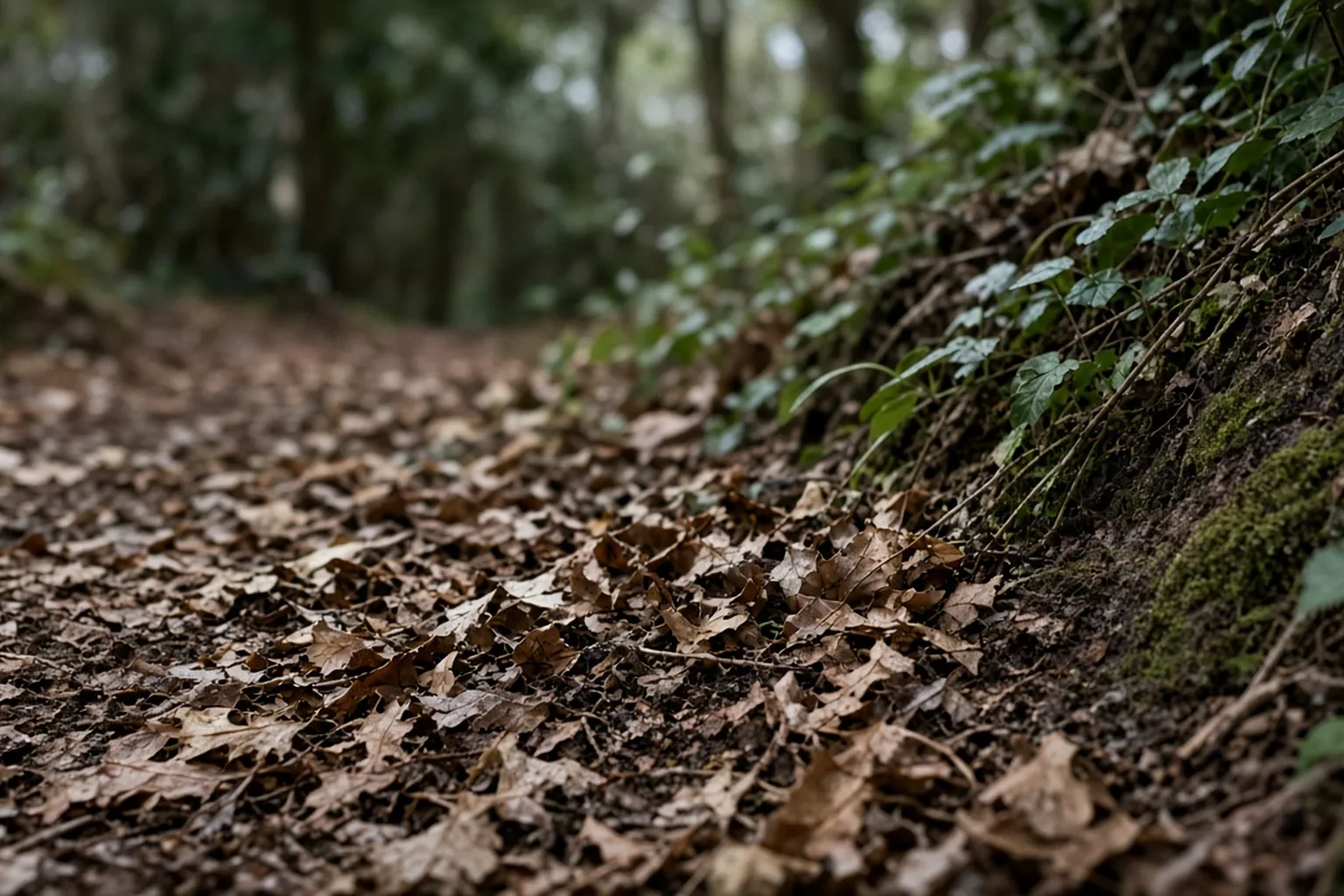
Chiggers are a seasonal menace in South Carolina, peaking from May through September. They concentrate in tall grass, brush, and shaded, humid ground coverβexactly the kind of areas found in many yards across the state. Contrary to popular myth, chiggers do not burrow into skin. Instead, they climb onto hosts (often from grass or leaf litter) and feed on skin cells by injecting digestive enzymes. The resulting welt is a reaction to those enzymes, not to the mite itself. The mites feed for several days before dropping off, but the itching can persist for weeks. Children and pets are especially vulnerable because they spend more time on the ground. In South Carolina, the climateβwarm and humidβcreates ideal conditions for chiggers to thrive from the Lowcountry marshes to the Upstate forests.
Warning Signs
- β’Intensely itchy red welts, often in clusters around ankles, waist, armpits, or groin.
- β’Welts that appear 1β3 hours after being outdoors and persist for days.
- β’Seeing tiny red or orange mites on clothing or skin after walking through grass.
- β’Pets scratching excessively, especially around belly or ears.
- β’Finding chiggers in leaf litter, tall grass, or brush edges when using a white cloth drag.
- β’Multiple family members with similar bites after outdoor activity.
- β’Bites concentrated in areas where clothing fits tightly, like sock lines or waistbands.
Risks of Waiting
- β Secondary skin infections from scratching bites open.
- β Prolonged discomfort for family members, especially children who may lose sleep.
- β Infestation spreading to larger areas of the yard if untreated.
- β Increased risk of bites during peak season as chigger populations grow.
Do you have a chigger problem?
Treatment Options
Professional Yard Spray
$100β$300A licensed pest control company treats your yard with residual insecticides like bifenthrin, cyfluthrin, or permethrin. Technicians focus on grass edges, brush, and shaded areas. Service includes a follow-up if needed, and a guarantee.
DIY Insecticide Spray
$20β$50 per bottleHomeowners apply liquid insecticide using a garden hose sprayer. Products containing bifenthrin (e.g., Talstar) or permethrin are effective. Requires careful reading of label and multiple applications.
Granular Insecticide
$25β$60 per bagGranules spread with a broadcast spreader, then watered in. Products with bifenthrin or lambda-cyhalothrin work well. Less drift than sprays.
The Chigger Life Cycle: Why Timing Matters
Only larval chiggers bite. The life cycle includes egg, larva, nymph, and adult. Larvae hatch in spring and seek hosts. After feeding for 3β5 days, they drop off and molt into nymphs, which are harmless. The entire cycle takes about 50β70 days in warm weather. In South Carolina, chiggers can have 2β3 generations per year. This means early treatment in late April or May can prevent the first wave. If you wait until July, you may be dealing with multiple overlapping generations. Professional treatments timed to early summer can break the cycle. After treatment, it's important to maintain a short lawn and reduce humidity by trimming bushes and improving drainage.
South Carolina's Regional Chigger Hotspots
Chiggers are found statewide, but certain regions are worse. The Lowcountry (Charleston, Hilton Head, Beaufort) has high humidity and abundant marsh edges, creating ideal chigger habitat. In the Midlands (Columbia, Sumter), suburban yards with pine straw and leaf litter are common hotspots. The Upstate (Greenville, Spartanburg) has cooler summers but still has chiggers in wooded areas and along creeks. Mountain foothills in Pickens and Oconee counties have chiggers at lower elevations, usually below 3,000 feet. Urban areas like Charleston and Greenville still have chigger problems in parks and overgrown lots. In general, the risk is highest in rural and suburban areas with natural vegetation. City dwellers with well-manicured lawns and minimal ground cover have fewer issues.
Chigger Myths vs. Facts: What You Need to Know
The most persistent myth is that chiggers burrow into skin and stay there. In truth, chiggers feed externally by inserting mouthparts into skin pores or hair follicles and injecting digestive enzymes. They feed on liquefied skin cells, not blood. They do not burrow or stay embedded. Another myth: applying nail polish or bleach to bites suffocates the mite. Since the mite is already gone by the time you itch, these remedies do nothing. The best treatment for bites is anti-itch cream (like calamine or hydrocortisone), oral antihistamines, and avoiding scratching. A third myth: chiggers only live in the South. Actually, they occur across the U.S., but warmer, humid climates like South Carolina have longer peak seasons. Knowing the facts helps you focus on prevention and proper treatment rather than old wives' tales.
How to Choose a Pest Control Company for Chiggers
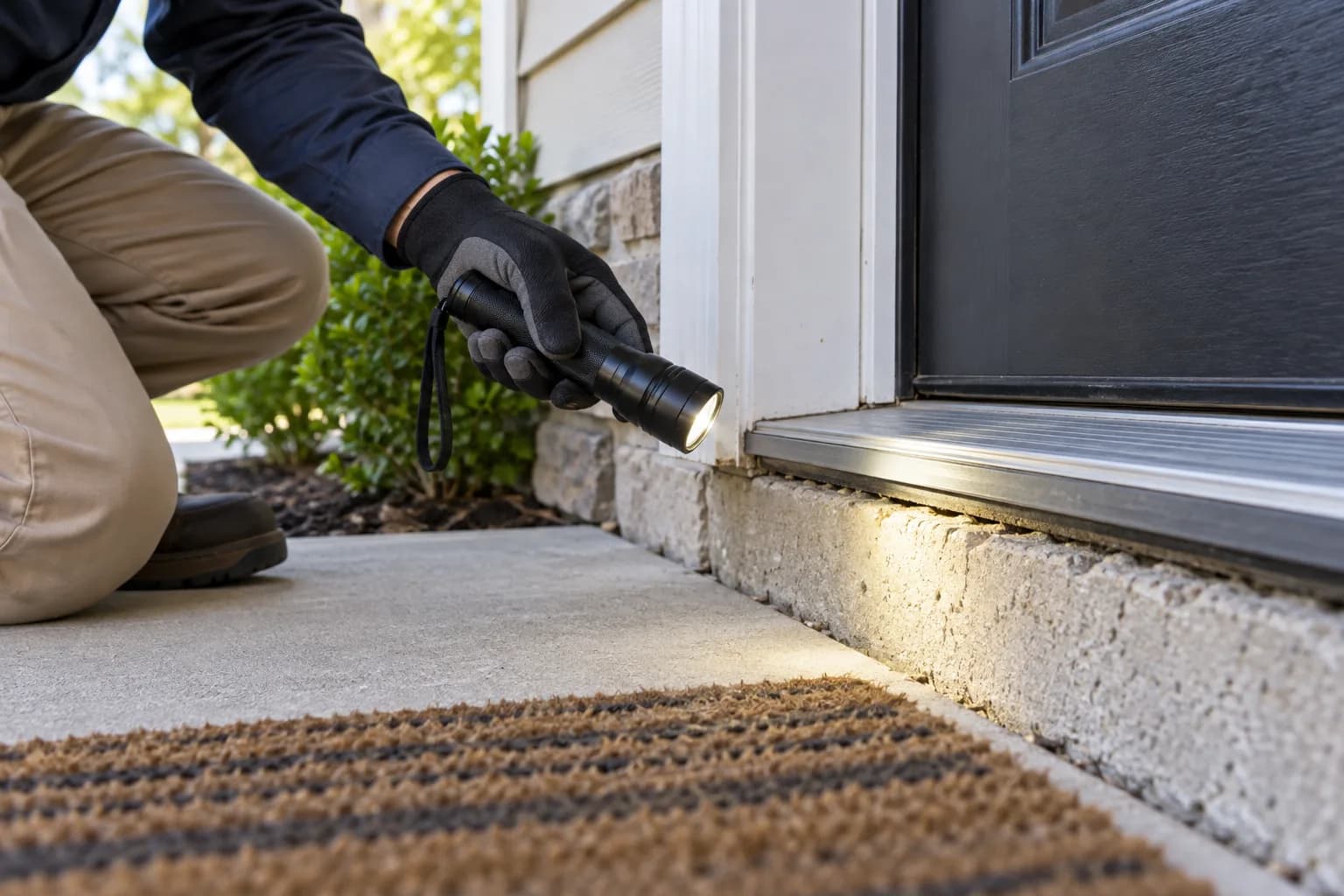
Not all pest control companies treat chiggers. Some focus on termites or general pests and may not have specific chigger protocols. When choosing a company, ask about their treatment method: do they use liquid sprays or granules? Do they target grass edges, brush, and shaded areas? Do they offer a guarantee? At Chigger Control, we specialize in chigger management. Our technicians are trained to identify chigger habitats and apply treatments that last. We include a inspection terms that vary by provider and a service guarantee: if you still see chiggers after treatment, we return at no charge. We use EPA-registered insecticides that are safe for families and pets when applied correctly. Our process takes about 30β60 minutes for a typical yard, and we provide care instructions for after treatment. Call +1 888 546 7983 to schedule your inspection terms that vary by provider.
DIY vs. Professional Chigger Control
| Factor | DIY | Professional |
|---|---|---|
| Cost per treatment | $20β$60 | $100β$300 |
| Duration of effect | 2β4 weeks | 4β6 weeks |
| Coverage guarantee | No | Yes (often with re-treatment subject to written provider terms) |
| Time required | 1β2 hours | 30β60 minutes |
| Equipment | Hose-end sprayer or spreader | Commercial sprayers (better coverage) |
| Expertise | Self-taught | Licensed technician |
What Affects Cost
- βYard size (larger yards cost more).
- βSeverity of infestation (multiple visits may be needed).
- βAccessibility of treatment areas (brush, slopes).
- βType of insecticide used (professional-grade vs consumer).
- βWhether you choose a one-time treatment or a seasonal plan.
- βGuarantee terms (some companies offer re-treatment subject to written provider terms).
What's your biggest concern about chiggers?
When to Call a Professional
Call a professional if you have a large yard, a heavy infestation, or if DIY treatments have failed. Also consider professional help if you have children or pets who play in the yard, or if you want a service guarantee. At Chigger Control, we offer inspection terms that vary by provider and written warranty terms that vary by provider. Call +1 888 546 7983 to schedule.
DIY vs Professional
DIY treatments can work for small, well-maintained yards. A bottle of bifenthrin concentrate costs around $30 and can cover 5,000 square feet. However, DIY requires careful timing, thorough coverage, and reapplication every few weeksβespecially after rain. Professional treatments are more reliable. Our technicians use commercial-grade equipment and insecticides that last longer, and we know exactly where to spray (grass edges, brush, shaded areas). The cost difference is often minimal: a DIY approach may cost $100β$150 per season in materials and time, while a single pro treatment averages $200. Plus, pros include a guarantee. For most South Carolina homeowners, the peace of mind is worth it.
Local Context
South Carolina's climate is prime for chiggers from the coast to the mountains. In the Lowcountry, high humidity and marshes create year-round risk, but peak season runs May through September. The Midlands experience hot, humid summers with chiggers in suburban lawns and wooded lots. In the Upstate, cooler temperatures mean a shorter season, but chiggers still thrive in leaf litter and shaded areas near creeks. Urban areas like Columbia, Charleston, and Greenville see chigger problems in parks, greenbelts, and unkept lots. Even well-maintained yards can have chiggers along fence lines or under bushes. Because South Carolina has a long warm season, multiple chigger generations occur. Homeowners in the Lowcountry may need two treatments (early summer and late summer) for full control, while Upstate residents often manage with one. Our technicians at Chigger Control are familiar with these regional differences and adjust treatment plans accordingly. We serve all of South Carolina, from the mountains to the coast.
Prevention Tips
- βMow grass to 2β3 inches and keep it short; chiggers prefer tall grass.
- βRemove brush, leaf litter, and tall weeds from yard edges.
- βCreate a barrier of wood chips or gravel between lawn and wooded areas.
- βWear long pants and long sleeves when in grassy areas; tuck pants into socks.
- βApply DEET or permethrin repellent to clothing and exposed skin.
- βShower immediately after being outdoors and wash clothes in hot water.
- βKeep bird feeders and wildlife away from the house; rodents can carry chiggers.
π‘ Did You Know?
- β Chiggers inject digestive enzymes that liquefy skin cellsβthe cause of the itch.
- β The myth that chiggers burrow under the skin is false; they feed externally.
- β Adult chiggers are harmless and feed on plant matter, not animals.
Frequently Asked Questions
What are chiggers and how do they bite?
Are chiggers dangerous to humans or pets?
What is the best treatment for chigger bites?
How do I know if I have chiggers in my yard?
How long does a professional chigger treatment last?
Can I prevent chiggers naturally without chemicals?
How do I prepare my yard for a professional treatment?
What is the difference between chiggers and red bugs?
Related Pages
Content provenance and service transparency
Generated grounded in national/state data + curated facts.
Published by Chigger Exterminator Β· No named licensed-professional review is claimed Β· Updated 2026-06-17T22:55:06.830Z
How this content is produced and correctedGet Your Free Chigger Inspection Today!
Our experts will assess your yard and recommend a treatment plan backed by our service guarantee. Call +1 888 546 7983.