The short version
Chigger pressure is light in Portland because the city's 43 inches of rain arrives mostly in the cool months, leaving summer soil dry when larvae would otherwise be active. Where bites do happen here, they trace to irrigated or shaded ground that stays damp in July. Confirm the source before paying for treatment.
- Chiggers are most prevalent in the South, Southeast, Midwest, and Southwest, where professional attention is necessary for established infestations.
- Peak activity occurs late spring through early fall (May-September). During warm, humid weather, chigger bites peak in the grassy and brushy regions of the South and Midwest.
- Portland's mediterranean climate influences chigger activity patterns year-round.
- Early intervention prevents infestations from spreading and reduces overall treatment costs.
- Smith and colleagues' 1998 case series of 94 pediatric patients at a single Midwestern U.S. emergency department found physicians attributing 98% of cases to insect or chigger bites, an attribution rather than laboratory confirmation, from a selected clinical group rather than the general population.
For Portland homeowners with heavily irrigated, shaded yards or a bramble line at the back of the lot. For gardeners working damp plots through the summer. And for anyone who has been told their bites are chiggers and wants to know whether that fits a city where the rain and the heat rarely overlap.
What to look for
Chiggers are larval mites, and only that stage bites. University of Missouri Extension names Trombicula alfreddugesi as the species responsible for most bites nationally and notes its preference for disturbed grassy and weedy upland ground. The larva measures about 1/150 inch by Ohio State university extension's figure and dries out easily. It survives where shaded soil stays damp, climbs low vegetation, transfers to a passing shoe, then walks up to the first place clothing binds and feeds for a couple of days. Portland's seasonal pattern is the sticking point for them. Ohio State puts the activity threshold above 60 degrees, which the city clears from late spring, but by then the wet season has ended. Summer soil under an unirrigated lawn dries down, and average highs near 81 degrees are warm without being long or humid in the way a Midwestern or southern summer is. What creates the local exceptions is water people add: a shaded bed on a daily irrigation schedule, a low corner where a downspout empties, or a bramble thicket holding moisture at the ground.
- 1Clusters of hard red welts where socks or a waistband press against skin.
- 2Itching that begins hours after being outdoors rather than during.
- 3Bites that follow work in a damp shaded bed or a bramble patch, not time on an open lawn.
- 4Welts that stay itchy about a week and worsen with scratching.
- 5Bites appearing after a camping trip or travel to a hotter, wetter region.
- 6Nothing visible on skin or clothing, because the larva is a fraction of a millimeter.
- 7One household member bitten after clearing brush while the others are unaffected.
Why it’s worth acting soon
- Bites scratched open can get infected, which Purdue university extension names as the actual medical concern.
- Buying a chigger treatment for a different biting pest leaves the real source untouched.
- Irrigated shaded ground that stays wet keeps producing whatever is living in it.
- An unmanaged bramble line thickens each season and becomes harder to clear.
- Weeks pass while the same exposure repeats on the same patch of ground.
Treatment options and typical costs
Chemical Treatment
$150-$500
Professional chemical treatment for chigger control. EPA-registered products applied with precision to target areas, providing residual protection.
- Time
- 1-2 hours
- Best for
- Light to moderate infestations in Portland, OR.
Heat Treatment
$800-$2,500
Professional heat treatment for chigger control. By raising the temperature of the affected zone to a deadly level, it kills every life stage in one go, with no chemicals involved.
- Time
- 4-8 hours
- Best for
- Severe or whole-structure infestations in Portland, OR.
Exclusion Services
$300-$1,200
Professional exclusion services for chigger control. Sealing entry points and constructing physical barriers prevents pest entry and reinfestation.
- Time
- 2-4 hours
- Best for
- Preventing re-entry and future infestations in Portland, OR.
Integrated Pest Management (IPM)
$200-$800
Professional integrated pest management (ipm) for chigger control. Combines multiple control methods with ongoing monitoring for sustainable, long-term results.
- Time
- Ongoing monitoring
- Best for
- Long-term prevention and environmentally conscious control in Portland, OR.
Prices are typical published ranges. Ask what’s included before you compare quotes.
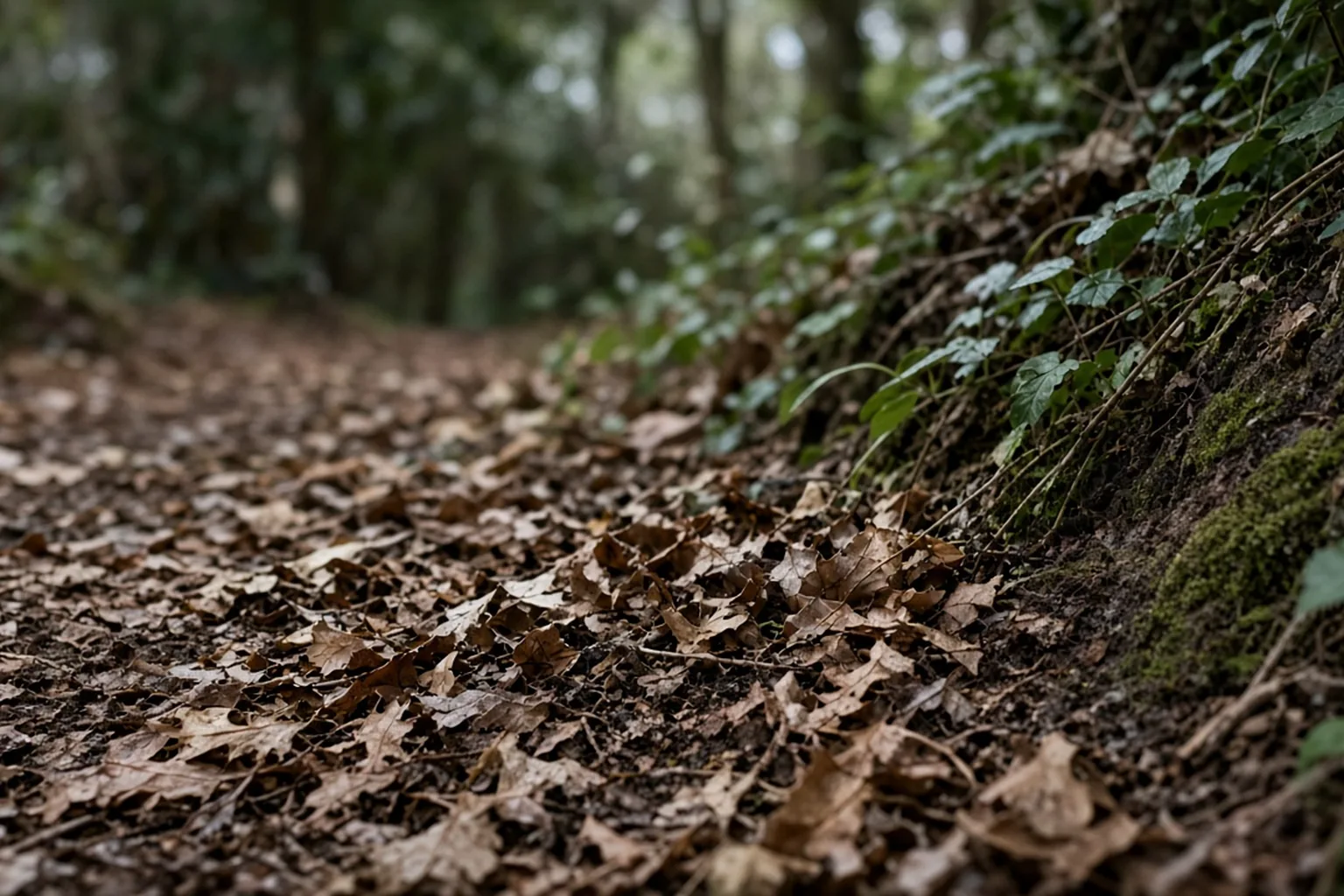 Shady, leafy trails hold moisture chiggers love. Stay mid-trail and use repellent on socks.
Why Portland's rain arrives at the wrong time for chiggers.
The months when soil moisture is abundant are the months when larvae are dormant, and the months when they could be active are the dry ones. Average summer highs of 81 degrees compound that. It is warm enough for activity but not the long humid heat that keeps ground damp under vegetation elsewhere. The practical result for a homeowner is that an ordinary Portland lawn, watered normally and mowed, is unlikely to be producing chigger bites in July. That is worth knowing before you accept a diagnosis, because the alternative explanations for itchy welts deserve consideration first. Annual rainfall alone is a poor predictor of chigger pressure, and Portland proves it. The city collects about 43 inches a year, similar to plenty of places where chiggers are a routine summer problem, yet complaints here are far lighter. The reason is timing. Chigger larvae are active only once temperatures hold above 60 degrees, which Ohio State university extension gives as the threshold. Portland reaches that in late spring, right around the point where the wet season winds down.
Local chiggers conditions in Portland.
An inspection in Portland usually starts outside and works inward, checking the foundation, gaps around doors and windows, and any moisture or clutter near the structure first. Knowing Portland's seasonal timing lets you schedule treatment before the busy stretch rather than after it, which usually means faster service and a more accurate quote. A provider who works Portland and Oregon every day can point out the specific conditions that matter most here, and getting the scope, price, and follow-up terms in writing makes it easier to compare options. Portland sits in a mediterranean climate, and that sets the pace for chigger activity here: late spring through early fall (May-September). For Portland homes, the area is mostly urban, so chiggers pressure can differ from one block to the next depending on how tight the entry points are and how much food, water, or shelter is close by.
 Damp leaf piles hold moisture chiggers like. Rake them away from the house.
The pockets that do hold larvae in a Portland yard.
In July, walk the property at midday and note where the soil is still soft and the ground is fully shaded. On most lots that is one small area, not a boundary. And the fix follows from the cause. Cut the brambles, thin the plantings, rake litter off the soil, and move the water. Portland's dry summer will finish the job within days once sun reaches the ground, which is a very different situation from a humid city where habitat rebuilds after every storm. Exceptions exist, and they are usually places where people or landscape features keep the ground wet through the dry season. The common ones are a shaded bed under mature trees on a daily irrigation schedule, a low corner where a downspout empties and the soil never firms up, and a bramble thicket along an unmanaged back line. Blackberry canes in particular create dense shade over litter that stays damp long after the surrounding yard has dried. With winter lows averaging 36 degrees, ground here rarely freezes hard, so those overgrown edges regrow vigorously each spring rather than being knocked back. Finding the pocket is straightforward.
A summer checklist for an Oregon yard.
Fix a sprinkler head that overshoots onto a permanently soft strip. Thin low branches to let midday light onto ground that has been shaded since March, and keep lawn areas cut short through the warm months. Then handle exposure rather than habitat for anything you cannot change. Treated socks and long pants for brush work, a shower within a couple of hours of clearing an overgrown area, and clothing into a hot wash the same day. That covers the realistic risk on most lots without committing to a treatment program. If you want to make a property in Portland, Oregon inhospitable to chiggers without spraying anything, the work is short and mostly seasonal. In spring, cut back bramble and vine growth along the back and side lines while the canes are still manageable. Rake matted leaf litter thin in shaded beds so the soil surface can dry once the rain stops. As the dry months arrive, adjust water. Drip lines at root level wet far less surface area than overhead watering across a shaded bed, and surface moisture is precisely what larvae depend on.
Bites you brought back from somewhere hotter.
Bites that show up the evening after a trip, on the people who went, point away from your property entirely. Protection for travel is simple and worth doing in advance. Permethrin on socks and pant cuffs, dried before packing. Repellent on skin at the ankles and waistband. Pants tucked into socks in tall grass, since a larva has to climb from the ground and every barrier slows it. On the way home, shower promptly and wash the clothes hot. In a city where local habitat is limited, that routine handles most of the actual chigger risk a Portland household faces in a year. A meaningful share of chigger complaints in Portland begin outside the region. Camping trips, summer travel to the Midwest or the South, work in irrigated agricultural country, and long hikes in warmer, wetter areas all put people into genuine habitat. The delayed reaction hides the origin. Nothing itches at the time. The welts build over the following hours, so people notice at home that night and start inspecting a yard that had nothing to do with it. Check the sequence rather than the location.
Renters, shared yards, and the overgrown back line.
If you own rental property here, look at the maintenance contract before booking a pest service. Ask whether the crew is cutting the back line or only the visible lawn, and whether anyone has thinned the shaded beds this year. Shared yards in multi unit buildings have the same gap. The habitat sits in the space between one tenant's routine and another's. Because winter lows near 36 degrees leave vegetation largely intact, that neglected strip carries over from season to season until somebody cuts it back deliberately. Portland has a lot of rental housing with yards, and the ground that produces bites is often the strip nobody has claimed. A tenant mows what looks like lawn, and the bramble line at the back keeps thickening year after year. If you rent, describe the specific area rather than the symptom when you contact the landlord or property manager. A note about the overgrown blackberry along the rear fence gets a different response than one about itchy bites. Cutting brush is normally ordinary yard maintenance, and it is the step that changes the outcome.
Questions worth asking before anyone treats.
In this climate the honest answer is usually to cut the overgrowth and adjust watering, then see whether bites stop. If a residual application is proposed, ask for the product name, the width of the treated band in feet, and what the label allows near vegetable beds and pets. Ask how many visits are included and what triggers a return. Given a dry summer and limited habitat, a plan with repeated applications through the season deserves an explanation. ask what they will do if the bites continue. A pro willing to revisit the diagnosis rather than sell a second round is the one to keep. In a city with light chigger pressure, the risk is paying for a treatment aimed at a pest the yard cannot support. A few questions sort that out quickly. Ask the pro to walk you to the ground they believe holds larvae, and to explain why it stays damp in a Portland July. A specific irrigated bed or bramble bank is a real answer. Gesturing at the property is not. Ask what non chemical change they would make first.
What affects the price
- Local Portland market rates and cost of living.
- For Portland homes, a bigger affected area calls for a greater volume of product and more labor input.
- Severity and duration of the infestation.
- Type of treatment method selected (chemical, heat, exclusion, IPM).
- Number of follow-up visits included in the service plan.
📊
What's your biggest concern about chiggers?
When to call for help
Call when bites keep repeating and you can tie them to one damp, shaded, overgrown area you cannot clear yourself, such as a steep bramble bank at the back of a lot. The more common reason to call in Portland is to settle the question. If welts keep appearing and nothing in the yard looks like chigger habitat, a pro who will inspect and consider other causes is worth more than one who books a spray. Ask directly what ground on your property stays damp through July, because in this climate that is the whole basis for a chigger diagnosis.
What you can do yourself
The homeowner side carries most of the weight here. Cut the brambles, thin the shade, rake litter off wet ground, and move irrigation away from a bed that stays soaked. Portland summers are dry enough that once sun reaches the soil, the conditions larvae need disappear on their own. A pro earns their fee mainly on diagnosis. A careful inspection that rules chiggers in or out can save you a season of treating the wrong thing. If treatment is warranted, they can apply a labeled product to the confirmed spot. What is hard to justify in this climate is a recurring whole yard chigger program, because the local summer pattern already suppresses larvae across the parts of a property that are not being watered.
Chiggers in Portland
Portland sits at about 50 feet near the confluence of two rivers, with a Mediterranean pattern that separates its water from its warmth. Roughly 43 inches of rain falls each year, and humidity averages 73 percent, but the wet part of the calendar arrives when temperatures are too cool for chigger larvae to be active. By the time the city clears the 60 degree threshold that Ohio State university extension ties to emergence, the rain has largely stopped. Summer highs average 81 degrees, mild and dry, and unirrigated ground firms up. That mismatch is the reason Portland yards produce far fewer chigger complaints than cities with the same rainfall spread across a humid summer. What is left are the pockets people create. Irrigated beds under mature canopy, low corners fed by a downspout, and the bramble thickets common on unmanaged back lines can hold moisture through July. Winter lows near 36 degrees also mean the ground rarely freezes hard, so vegetation on those edges regrows readily each spring.
Chigger tips for Portland
Where to watch out around Portland
With 73% humidity and about 43 inches of rain a year, Portland has plenty of the damp, shady ground chiggers like. Bites peak in early to midsummer.
Check first
shady park edges, overgrown lots and damp fence lines.
Quick fixes
Mow short, trim low branches and stop watering shady beds so often.
Before you head out
Repellent on socks and cuffs. Shower and wash clothes after.
Local research
Chiggers in Portland, OR: what the public record shows
Before you compare quotes, it helps to know which chiggers actually live in Oregon, when they are busiest around Portland, and what the state figures look like. Everything below links to the agency or university page it came from.
When chiggers are busiest around Portland
May through first killing frost. Missouri Extension: active May through the first killing frost with two to three generations; best area treatment late April to mid-June.
Based on Portland’s mediterranean climate profile.
Sources: University of Missouri Extension; Ohio State University Extension (Ohioline). Figures are quoted as the source prints them. How we check our sources
Simple ways to keep chiggers away
- Cut back blackberry and bramble growth along the back of the lot before summer.
- Water at the roots rather than soaking shaded ground cover daily.
- Thin dense low plantings so July sun reaches the soil beneath them.
- Rake matted leaf litter thin in the shadiest, wettest part of the yard.
- Keep the lawn cut short through the warm months to dry the surface.
- Wear treated socks and long pants for brush clearing and trail work.
- Shower within an hour or two after working in damp vegetation.
- Wash camping and travel clothing hot on the day you return.
 If you get a quote, ask which spots will be treated and how long to stay off the lawn.
Did you know?
Chiggers inject digestive enzymes that liquefy skin cells - the cause of the itch.
The myth that chiggers burrow under the skin is false.
Questions people ask
Can I treat chiggers myself?
While DIY treatments might suffice for minor early-stage concerns, they are typically ineffective for entrenched infestations. Chiggers are skilled at hiding, and store-bought products often lack the strength and coverage of professional-grade treatments. For reliable results, professional control is recommended.
What is the best time of year for chigger control?
Late spring through early fall (May-September). However, professional chigger control is effective year-round. Preventative treatments in the off-season can stop infestations before they start.
How can I prevent chiggers from coming back?
To prevent pests, you need to seal entry points, reduce moisture and food sources, keep things clean, and have regular professional inspections. An integrated pest management (IPM) plan provides ongoing protection.
Is chigger control covered by homeowners insurance?
Most homeowners insurance policies exclude pest control because infestations are typically seen as a maintenance concern. Damage from termites or rodents may be covered, but only under specific conditions. Check your policy for details.
How much does chigger control cost?
Chigger control typically costs $100 to $450. Yard treatment $100-$300. The precise cost is calculated from the infestation's severity, the property's scale, and the treatment approach.
What are the symptoms of chigger bites in children?
Itching dominates. For Portland homes, a 1998 study of 94 children during summer months, found itching in 84% of cases attributed to insect or chigger bites. Local conditions in Portland, Oregon can differ from the survey population. Confirm the specifics with an on-site inspection. Treat it as a rough guide, not a local count.
How long do chigger bites itch?
For Portland homes, itching lasted an average of 3.0 days among a 1998 study of 94 children.
Nearby cities
Related guides
Sources (18)
The facts in this article come from the public sources listed above. Every home is different, so ask the company you talk to about pricing and what’s included. Published by Chigger Exterminator · Updated September 11, 2026 · How we write these guides