Chigger Control in North Carolina: A Homeowner's Guide
If you've ever walked through a grassy field in North Carolina and come home with a ring of fiery red welts around your ankles, you've met chiggers. These nearly invisible mites are the bane of outdoor fun from the mountains to the coast. But contrary to myth, chiggers don't burrow into your skin or feed on blood. They inject digestive enzymes that liquefy skin cells, causing an itch that can last over a week. Understanding how to control them in your yard and on your body is key to enjoying North Carolina's beautiful outdoors.
Get Your Free Quote
Send your request to the provider-matching network. Response times vary.
Chiggers are larval mites that cause itchy welts. Control involves reducing tall grass and brush, using repellents, and treating yards with permethrin or bifenthrin. Professional treatment costs $100-$450.
Key Takeaways
- →Chiggers are larval mites; only the larvae bite and they do not burrow into skin.
- →Peak season in North Carolina is late spring through early fall (May-September).
- →Yard treatment by a professional costs $100-$450, with inspection and quote terms vary by provider.
- →Prevention includes mowing, clearing brush, and using repellents with DEET or permethrin.
- →Chigger bites are intensely itchy but do not transmit diseases in the US.
A chigger mite (larval stage) on a grass blade. Actual size is about 0.17 mm.
Who This Is For
This guide is for North Carolina homeowners, families with children, and pet owners who want to reclaim their yards from chiggers. Whether you're in the humid Piedmont, the brushy Mountains, or the coastal plains, you'll find specific advice tailored to your region. If you're tired of itching and want practical, proven solutions, you're in the right place.
The Problem
Chiggers thrive in North Carolina's warm, humid climate from May through September. They concentrate in tall grass, brush, and shaded ground cover—exactly the kind of areas where kids play and pets roam. The larvae are so small (0.17 mm) that you rarely see them until the itching starts hours later. The welts often appear in clusters around socks, waistbands, or armpits where clothing presses against the skin. The intense itch can disrupt sleep and daily activities, and scratching can lead to secondary infections.
Warning Signs
- •Intensely itchy red welts, often in clusters, around ankles, waist, armpits, or groin.
- •Itching that begins 3-6 hours after being in grassy or brushy areas.
- •Small red spots on skin that develop into blisters or hives.
- •Presence of chiggers on clothing or skin as tiny red or orange specks (use a magnifying glass).
- •Pets scratching excessively, especially around ears, belly, or between toes.
- •Visible red mites on vegetation or on your skin after brushing against plants.
- •Repeated bites after spending time in the same outdoor area without treatment.
Risks of Waiting
- ⚠Persistent itching that can lead to skin infections from scratching.
- ⚠Chigger populations can grow rapidly in untreated areas, making control harder.
- ⚠Reduced enjoyment of your own yard for the entire warm season.
- ⚠Potential for allergic reactions in sensitive individuals.
Do you have a chigger problem?
Treatment Options
Professional Yard Spray Treatment
$100-$300A licensed technician applies a liquid insecticide (e.g., bifenthrin, permethrin, or cyfluthrin) to lawns, garden beds, and brushy edges. Covers up to 1 acre. Includes inspection and follow-up if needed.
Granular Insecticide Spread
$30-$60 per bag (DIY) or $80-$150 for professional application.Granules containing bifenthrin or lambda-cyhalothrin are spread with a broadcast spreader. Watered in to activate. Good for large lawns.
Permethrin Clothing Treatment
$10-$20 per bottle (covers multiple garments).Pre-treat clothing with permethrin spray (e.g., Sawyer brand) to repel chiggers for up to 6 washes. Also available as pre-treated clothing.
Understanding Chigger Biology and Behavior
Chiggers are the larval stage of harvest mites (Trombiculidae). After hatching from eggs laid in soil, the larvae climb onto grass or low vegetation and wait for a host. They are attracted to body heat, carbon dioxide, and skin oils. Once on a human, they migrate to areas where clothing fits tightly (waistband, socks, armpits). Contrary to popular belief, they do not burrow into skin. Instead, they pierce the skin with their mouthparts and inject saliva containing digestive enzymes that liquefy skin cells. They then feed on the liquefied tissue for several days before dropping off. The intense itch is an allergic reaction to the enzymes. Only the larvae bite; adults are harmless plant-feeders. In North Carolina, the peak activity occurs when soil temperatures reach 60-70°F (May through September). Chiggers are most active in the morning and late afternoon, and they cannot survive in direct sunlight or dry conditions.
Regional Chigger Hotspots in North Carolina
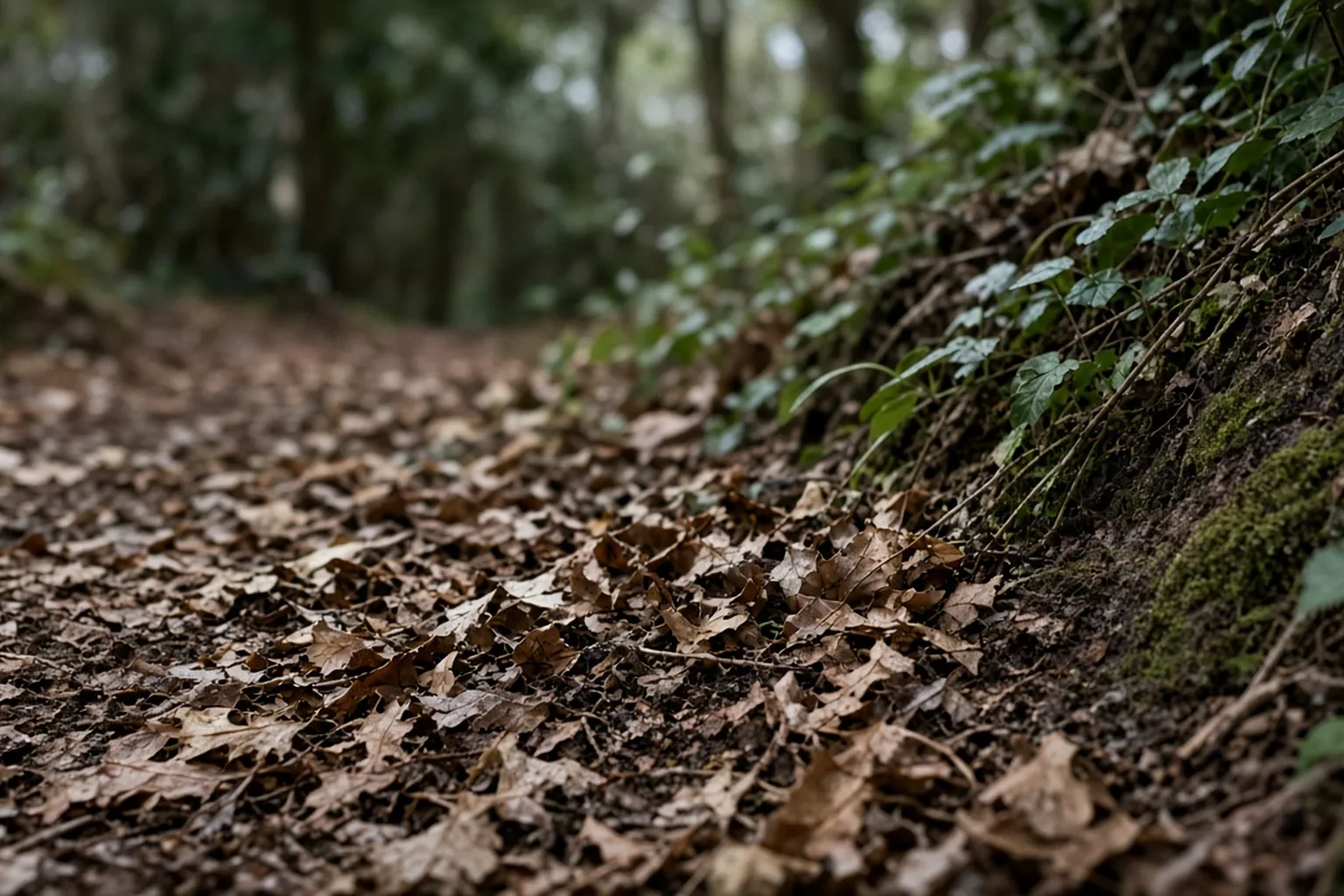
North Carolina's diverse geography creates different chigger pressures. In the Coastal Plain (e.g., Wilmington, Greenville), high humidity and long summers support chiggers from April through October. The flat terrain and abundant forests mean chiggers are common along trails, field edges, and even suburban lawns if not maintained. In the Piedmont (e.g., Raleigh, Charlotte, Greensboro), the rolling hills and mixed urban-agricultural landscape create chigger habitat in parks, golf courses, and wooded lots. The shorter but still humid summer (May-September) keeps populations high. In the Mountains (e.g., Asheville, Boone), cooler temperatures shorten the season to June-August, but the dense understory of rhododendron and ferns provides ideal shaded, humid microclimates. Hikers on the Blue Ridge Parkway should be especially careful. Regardless of region, properties near water, tall grass, or brush are at highest risk.
Integrated Pest Management (IPM) for Chiggers
Effective chigger control combines chemical and non-chemical methods. Start with habitat modification: mow grass to 2-3 inches, remove brush piles, thin out ground cover like ivy or pachysandra, and create dry barriers (gravel or wood chips) between lawns and wooded areas. This reduces the places chiggers can live. Next, use repellents: for skin, DEET (20-30%) or picaridin (20%) are effective; for clothing, permethrin spray (applied to clothing, not skin) provides protection for weeks. Finally, chemical treatments: for small to medium yards, a granular bifenthrin product applied with a spreader can provide 4-6 weeks of control. For large or severe infestations, professional liquid treatments with bifenthrin or lambda-cyhalothrin are more thorough. Always follow label directions. Reapply after heavy rain (over 1 inch). The goal is not eradication—chiggers are part of the ecosystem—but suppression below nuisance levels.
Chigger Control Methods Comparison
| Method | Cost per 1/4 acre | Duration | Best For |
|---|---|---|---|
| DIY granular insecticide | $30-$50 | 4-6 weeks | Small to medium lawns |
| Professional liquid spray | $100-$200 | 2-4 weeks | Large yards or heavy infestations |
| Clothing treatment (permethrin) | $10-$20 | 6 washes | Personal protection |
What Affects Cost
- ✓Yard size: larger yards cost more to treat.
- ✓Severity of infestation: heavy infestations may require multiple treatments.
- ✓Accessibility: dense brush or steep slopes increase labor time.
- ✓Region within NC: coastal areas may have longer season; mountains shorter.
- ✓Product choice: some insecticides are more expensive than others.
- ✓Service guarantee: companies offering re-treatment subject to written provider terms may charge more upfront.
- ✓Season: peak demand in May-June can raise prices.
What's your biggest frustration with chiggers?
When to Call a Professional
If you've tried mowing, clearing brush, and using repellents but still get bitten in your own yard, it's time to call a professional. Also call if you have a large property (over 1 acre), if kids or pets are constantly itching, or if you want a guaranteed solution. Chigger Control offers inspection terms that vary by provider and a service guarantee—call +1 888 546 7983 to schedule.
DIY vs Professional
DIY methods like mowing, clearing brush, and applying granular insecticides can reduce chigger populations for $30-$60 per treatment. However, they often miss harborage areas like brush piles and fence lines. Professional treatments use stronger, longer-lasting formulations and reach every hotspot. For $100-$300, a pro can save you weeks of itching and multiple DIY attempts. If you value your time and comfort, hiring a pro is worth it.
Local Context
North Carolina's chigger season varies by region. In the Coastal Plain, warm temperatures and high humidity extend the season from April through October. The Piedmont sees peak activity from May through September, while the Mountains have a shorter window of June through August. Top metro areas like Charlotte, Raleigh, and Greensboro have high chigger pressure due to their mix of suburbs and green spaces. Coastal areas like Wilmington and Outer Banks have chiggers in dune grass and maritime forests. In the mountains, chiggers are common along hiking trails and in campgrounds. Chigger Control serves all of North Carolina with inspection terms that vary by provider and tailored treatment plans. Call +1 888 546 7983 to speak with a local expert.
Prevention Tips
- ✓Mow your lawn regularly and keep grass short (under 3 inches).
- ✓Clear brush, leaf litter, and tall weeds from around your home's perimeter.
- ✓Create a 3-foot barrier of wood chips or gravel between lawns and wooded areas.
- ✓Apply repellent containing DEET (20-30%) or picaridin to skin before going outdoors.
- ✓Treat clothing with permethrin spray 24 hours before exposure.
- ✓Shower with hot, soapy water within 2 hours of potential exposure to remove un-attached chiggers.
- ✓Keep pets out of tall grass and check them for chiggers after walks.
💡 Did You Know?
- ★Chiggers don't actually bite; they pierce the skin with tiny mouthparts and inject enzymes that dissolve skin cells, which they then slurp up.
- ★The red welts are not from the chigger itself but from your body's allergic reaction to the enzymes.
- ★Chiggers are not ticks and do not transmit Lyme disease or any other disease in the United States.
Frequently Asked Questions
What are chiggers and where do they live?
Do chiggers burrow into your skin?
How long do chigger bites last?
Can chiggers infest my home?
What is the best treatment for a chigger-infested yard?
How can I prevent chigger bites?
Related Pages
Content provenance and service transparency
Generated grounded in national/state data + curated facts.
Published by Chigger Exterminator · No named licensed-professional review is claimed · Updated 2026-06-17T22:55:06.056Z
How this content is produced and correctedStop the Itch Today – Get a inspection terms that vary by provider
Call +1 888 546 7983 to schedule your free chigger control inspection and get your yard back.