The Complete Guide to Chigger Control in Missouri
If you've ever spent a summer afternoon in a Missouri meadow and come home with a ring of fiery red welts around your ankles, you've met chiggers. These nearly invisible mites are the bane of outdoor fun from the Bootheel to the Kansas City suburbs. But here's the truth: chiggers are manageable with the right strategy, and you don't have to surrender your yard to them. This guide cuts through the myths and gives you a fact-based plan for chigger control. You'll learn what actually works—from yard treatments to personal protection—and when it makes sense to call a pro. Whether you're a homeowner, a parent, or a pet owner, you'll find actionable advice grounded in entomology and real-world experience.
Get Your Free Quote
Send your request to the provider-matching network. Response times vary.
Chiggers are larval mites that feed on skin cells, causing intense itching. Control them by treating your yard with approved acaricides, keeping grass short, and using repellents when outdoors.
Key Takeaways
- →Chiggers are most active from May through September in Missouri's warm, humid areas.
- →Only chigger larvae bite humans; they do not burrow into skin.
- →Yard treatment costs typically range from $100 to $450 depending on property size and infestation severity.
- →Prevention includes mowing grass short, clearing brush, and applying DEET-based repellents.
- →Professional treatment offers longer-lasting results and safer application of effective pesticides.
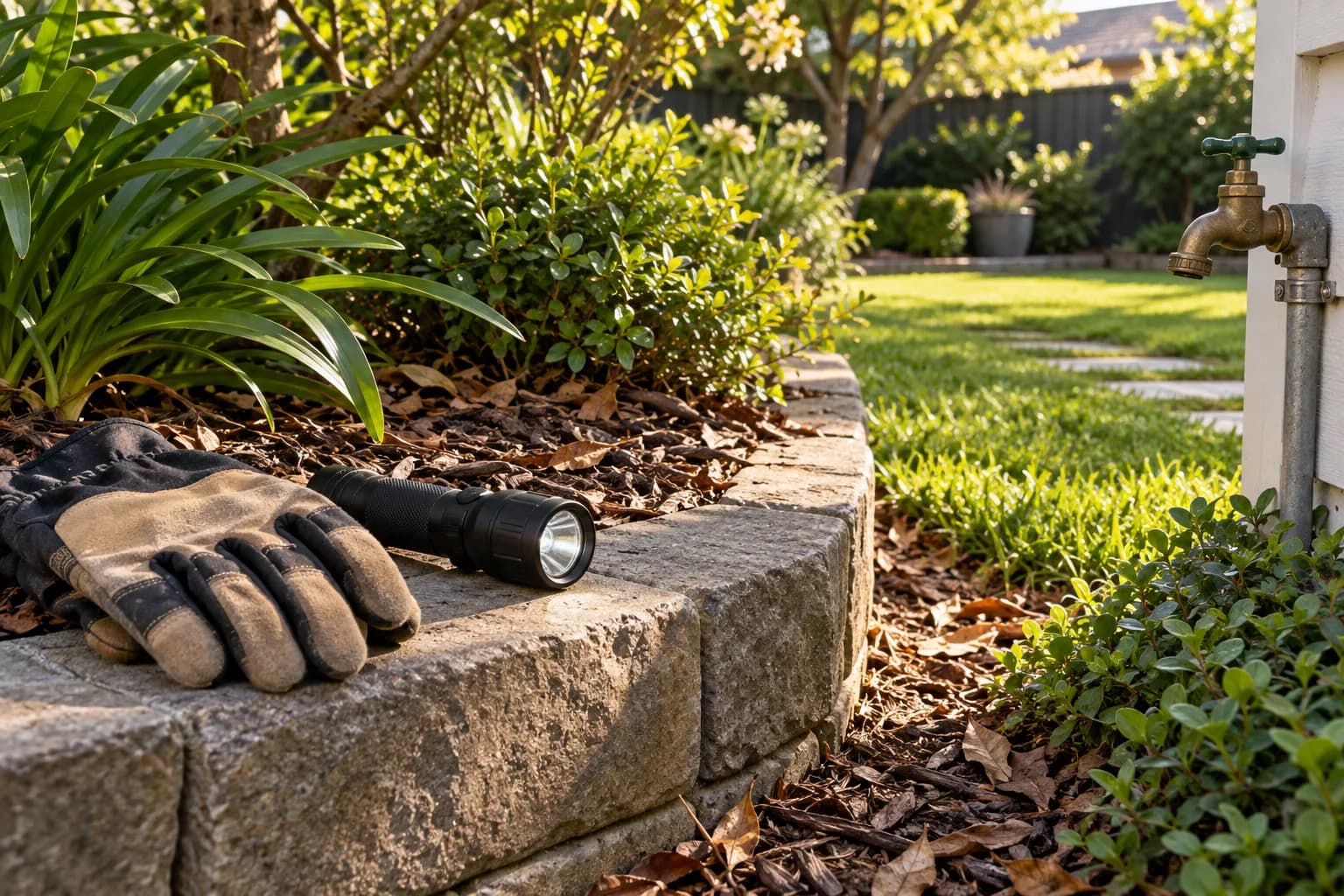
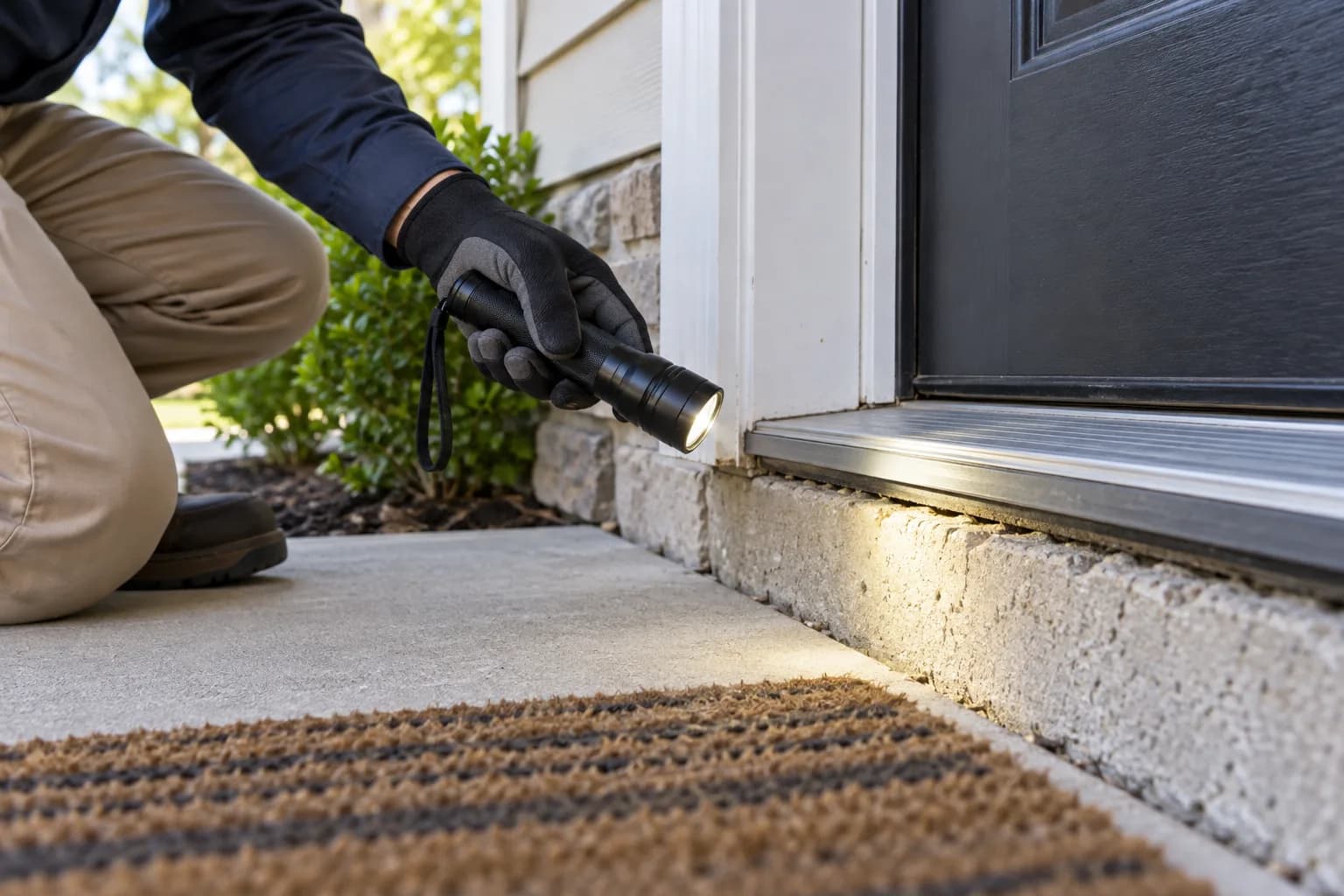
A simple chigger check: place a white cloth on the lawn and look for tiny orange mites.
Who This Is For
This guide is for Missouri homeowners who want to reclaim their yards from chiggers without resorting to guesswork. It's especially relevant for families with young children who play in grass, pet owners worried about bringing chiggers indoors, and anyone living near wooded edges, tall grass, or overgrown lots. If you've tried home remedies and still get bitten, this is for you.
The Problem
Chiggers are the larval stage of harvest mites (Trombiculidae). Only the larvae bite, and they don't suck blood—they feed on liquefied skin cells. After attaching to a host, they inject digestive enzymes that break down skin tissue, causing an intense itch that can last for days or weeks. The classic red welts often appear in clusters around waistbands, sock lines, and armpits where clothing fits tightly. In Missouri, chiggers thrive in the warm, humid months from late spring through early fall. They're especially dense in the southern half of the state, where higher humidity and abundant woodland edges create ideal habitat. But even in northern Missouri, overgrown fields and unkempt lawns can harbor chiggers. Contrary to popular belief, chiggers do not burrow into skin—that myth leads people to try dangerous remedies like nail polish or bleach, which only worsen the irritation.
Warning Signs
- •Intensely itchy red bumps, often in clusters, around ankles, waist, armpits, or groin area.
- •Bites appear 1-3 hours after exposure and peak in itching within 24-48 hours.
- •Seeing tiny, bright orange-red mites (barely visible to the naked eye) on skin or clothing after walking through grass.
- •Pets scratching excessively, especially on belly or legs, after being outdoors.
- •Presence of chiggers in tall grass, brush, or leaf litter—often near the edges of wooded areas.
- •Multiple family members or pets showing similar bite patterns after outdoor activity.
- •Itching that worsens at night and doesn't respond well to antihistamines.
Risks of Waiting
- ⚠Secondary bacterial infections from scratching, which can require medical treatment.
- ⚠Chronic itching leading to sleep loss and decreased quality of life during peak season.
- ⚠Infestation spreading to larger areas of your yard as chigger populations grow.
- ⚠Pets bringing chiggers indoors, potentially causing indoor infestations (though rare).
Do you have a chigger problem?
Treatment Options
Professional Yard Spray Treatment
$150-$450A licensed pest control technician applies a targeted acaricide (such as bifenthrin or permethrin) to grass, brush, and shaded areas where chiggers live. Treatment covers the entire yard perimeter and focuses on high-risk zones.
DIY Granular Insecticide
$20-$60 per bag (covers up to 5,000 sq ft)Apply granular products containing bifenthrin or lambda-cyhalothrin using a spreader. Water the lawn lightly after application to activate the granules.
Personal Repellents
$5-$15 per bottleUse DEET (20-30%) or picaridin-based repellents on skin and permethrin-treated clothing. These prevent chiggers from attaching but do not reduce yard populations.
Understanding Chigger Biology: Why They Bite and How to Outsmart Them
In Missouri, the peak chigger season aligns with the state's humid summer months. The southern half of the state, including the Ozarks and Bootheel, experiences higher humidity and milder winters, allowing chigger populations to build earlier and persist longer. In northern Missouri, chiggers are still prevalent but typically emerge in late May and decline by mid-September. Urban areas like St. Louis and Kansas City have significant chigger problems in parks and greenways, especially in areas with unmaintained vegetation. Knowing your local microclimate can help you time your prevention efforts. For example, if you live near a creek or wooded lot in Springfield, you might need to start treatment in April, whereas in Kirksville, mid-May is usually soon enough.
Chemical Control: What Works and What Doesn't
Professional application offers several advantages: technicians have access to products not available to consumers, can treat large areas efficiently, and know where to focus (shaded edges, tall grass, under decks). They also use proper safety equipment and calibrate sprayers to avoid drift. A typical professional treatment in Missouri costs $150-$450 per visit, with most companies offering a guarantee if chiggers return within 30 days. While DIY can work for small areas, the peace of mind and effectiveness of professional service often justify the cost, especially for families with children who play on the lawn.
Integrated Pest Management for Chiggers: Beyond Spraying
In Missouri, where chiggers are a seasonal nuisance but not a public health threat, the goal is to make your yard safe for enjoyment, not to eradicate every mite. By combining these strategies, you can reduce bites by 90% or more. Remember that chiggers are part of a healthy ecosystem—they feed on small soil organisms in their nymph and adult stages. Total elimination is neither possible nor desirable. Instead, focus on creating a buffer zone around high-use areas and using repellents when venturing into untreated zones.
DIY vs. Professional Chigger Control
| DIY Treatment | Professional Treatment |
|---|---|
| Cost per application: $20-$60 | Cost per application: $150-$450 |
| Duration of effectiveness: 2-3 weeks | Duration of effectiveness: 4-6 weeks |
| Product access: Consumer-grade only | Product access: Professional-grade acaricides |
| Coverage: Best for small yards (under 1/4 acre) | Coverage: Ideal for any size yard |
| Guarantee: No guarantee | Guarantee: Typically 30-day return guarantee |
| Effort: Requires equipment and time | Effort: Technician handles everything |
What Affects Cost
- ✓Property size (larger yards require more product and time).
- ✓Severity of infestation (heavier infestations may require multiple treatments).
- ✓Accessibility of infested areas (brushy or steep terrain increases labor).
- ✓Type of treatment (liquid spray vs. granular vs. combination).
- ✓Number of treatments needed per season (typically 2-3).
- ✓Geographic location within Missouri (southern regions often need more frequent treatment).
- ✓Inclusion of tick and mosquito control in the same service (bundling may reduce per-service cost).
What is your biggest frustration with chiggers?
When to Call a Professional
If you've tried mowing, clearing brush, and applying DIY repellents but still get bitten every time you step outside, it's time to call a professional. Also call if your yard is large (over half an acre), borders heavily infested woodland, or if you have young children or pets that spend a lot of time on the grass. Professionals have access to more effective, longer-lasting acaricides and can treat hard-to-reach areas safely. Call +1 888 546 7983 for a inspection terms that vary by provider and customized treatment plan.
DIY vs Professional
DIY treatments can be effective for small, well-maintained yards with light infestations. Granular insecticides and personal repellents are affordable and easy to apply. However, DIY products often need frequent reapplication and may miss hidden chigger hotspots like brush piles or shaded fence lines. Professional treatments use concentrated, professional-grade products that penetrate deeper into vegetation and provide longer residual protection (4-6 weeks vs. 2-3 weeks). For most Missouri homeowners, especially those with children or pets, the convenience and effectiveness of professional service outweigh the higher cost. Plus, with a service guarantee, you don't pay for re-treatments if chiggers return within the coverage period.
Local Context
Missouri's diverse geography creates distinct chigger challenges. In the Ozark region (south-central Missouri), dense forests and humid valleys provide ideal habitat from April through October. Towns like Branson, Springfield, and Rolla see heavy infestations near tourist attractions and hiking trails. The Bootheel (southeast Missouri) has even higher humidity and longer summers, making chiggers a near-constant problem from May into November. In contrast, the northern plains around Kirksville and St. Joseph have shorter, cooler summers, but chigger populations still spike in June and July in overgrown fields and roadsides. Urban areas are not immune. In St. Louis, chiggers are common in Forest Park, Creve Coeur Park, and along the Missouri River greenway. Kansas City's brushy parks and residential areas near the Blue River also report high activity. Even in suburbs like Chesterfield or Lee's Summit, unkempt lots and wooded edges harbor chiggers. The key is to recognize that chiggers do not respect property lines—they thrive wherever humidity and vegetation are high. For city dwellers, community-wide efforts like park maintenance and neighborhood cleanups can reduce overall pressure. If you're in a high-risk area, consider a neighborhood watch approach: coordinate with neighbors to treat adjacent properties simultaneously. Chiggers don't fly, but they can crawl from one yard to another, so a united front is more effective. For specific city-level help, call +1 888 546 7983 to speak with a local expert who understands your area's chigger patterns.
Prevention Tips
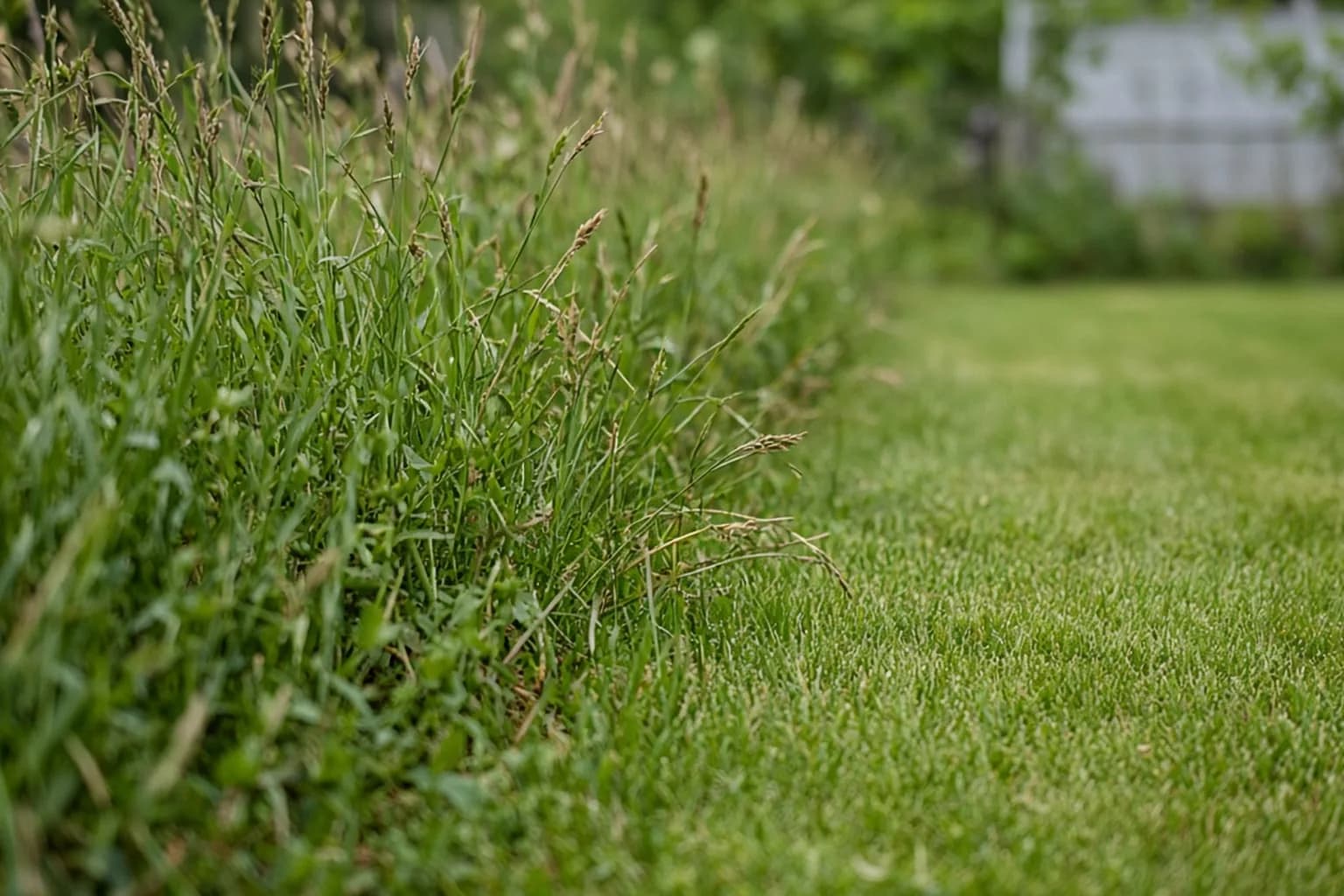
- ✓Keep grass mowed to 3 inches or shorter; chiggers prefer tall grass.
- ✓Clear brush, leaf litter, and overgrown vegetation from your yard's edges.
- ✓Create a barrier of wood chips or gravel between lawn and wooded areas to reduce chigger migration.
- ✓Apply a perimeter treatment of bifenthrin or permethrin to lawn edges and shaded areas in late spring.
- ✓Wear long pants tucked into socks and long sleeves when in grassy areas, and spray repellent on clothing.
- ✓Shower with warm soapy water immediately after being outdoors in potential chigger habitat.
- ✓Wash outdoor clothing in hot water (at least 125°F) to kill any chiggers that hitched a ride.
💡 Did You Know?
- ★Chiggers inject digestive enzymes that liquefy skin cells—the cause of the itch. The myth that chiggers burrow under the skin is false.
- ★Adult chiggers are harmless and feed on plant material; only the microscopic larvae bite humans.
- ★Chiggers are not blood-feeders; they feed on liquefied skin cells, leaving a feeding tube called a stylostome that causes the intense itching.
Frequently Asked Questions
What are chiggers and where do they live?
Do chiggers burrow into your skin?
How can I prevent chigger bites?
What is the best treatment for chiggers in my yard?
How much does professional chigger treatment cost in Missouri?
Are chigger treatments safe for children and pets?
Can chiggers infest my house?
How long do chigger bites last?
Related Pages
Content provenance and service transparency
Generated grounded in national/state data + curated facts.
Published by Chigger Exterminator · No named licensed-professional review is claimed · Updated 2026-06-17T22:55:05.809Z
How this content is produced and correctedStop Chigger Bites Before They Start – Get a inspection terms that vary by provider Now!
Call +1 888 546 7983 to schedule your no-obligation yard evaluation and protect your family this season.