Chigger Control in Iowa: A Homeowner's Guide
Chiggers are the bane of Iowa summers. These nearly invisible larval mites pack a punch far out of proportion to their size, leaving you with intensely itchy welts that can ruin a day outdoors. But with the right knowledge and strategy, you can take back your yard and enjoy the seasons without the scratch. In this guide, we'll cover everything from identifying chigger hot spots to treatment options, costs, and prevention. Whether you're a homeowner with kids or pets, or just someone who loves spending time in your yard, these facts and tips will help you stay itch-free.
Get Your Free Quote
Send your request to the provider-matching network. Response times vary.
Chiggers are larval mites that feed on skin cells, causing intense itching. Control them by treating your yard with targeted insecticides, keeping grass short, and avoiding brushy areas. For severe infestations, professional treatment costs $100–$450.
Key Takeaways
- →Chiggers are not blood-feeders; they liquefy skin cells, causing the itch.
- →Peak season in Iowa is May–September, with highest activity in warm, humid areas.
- →Professional yard treatment typically costs $100–$300, with range up to $450.
- →Prevention includes mowing short, clearing brush, and using repellents.
- →Myth: Chiggers do not burrow into skin; they feed externally.
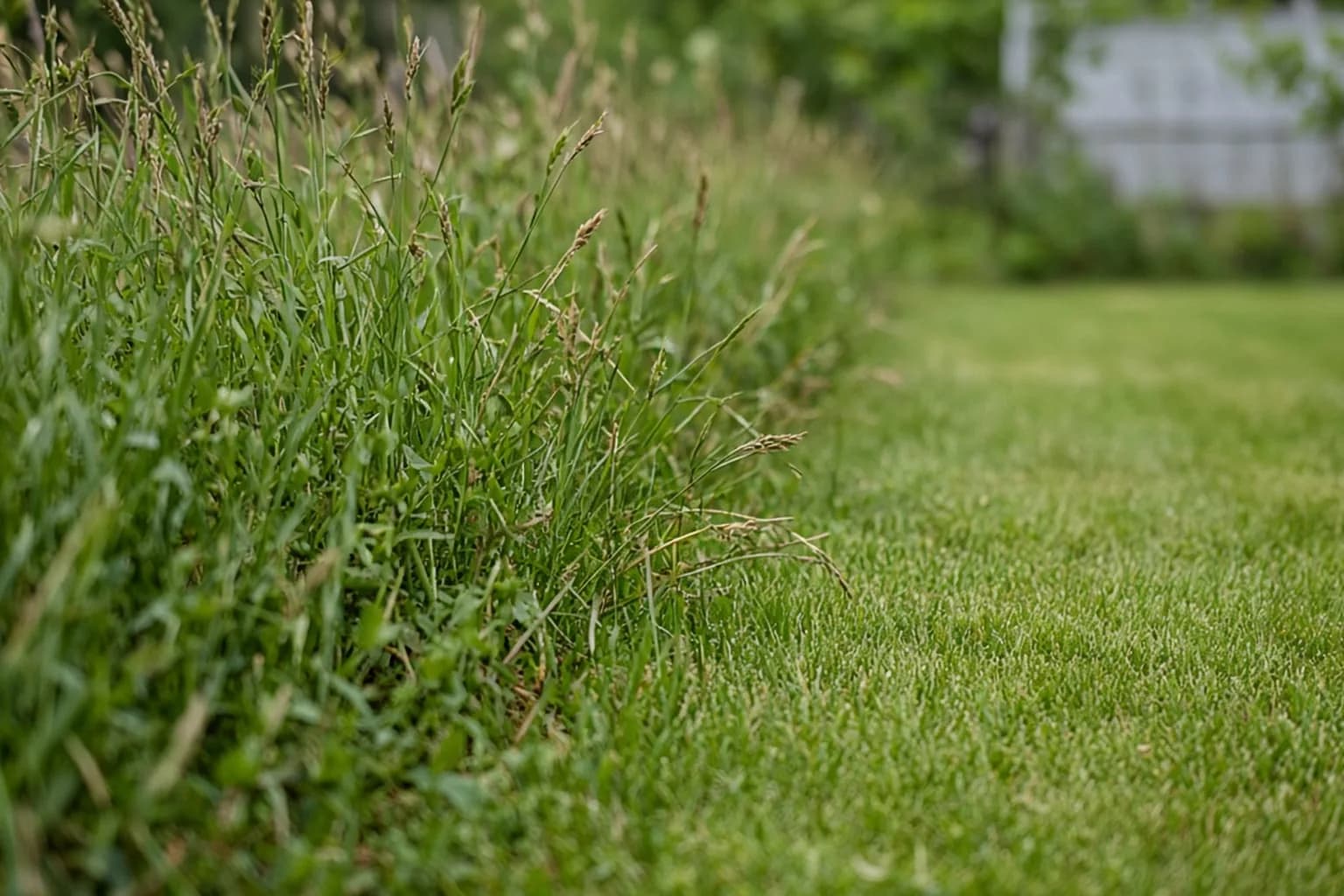
Professional chigger treatment targets tall grass and brush where larvae hide.
Who This Is For
This guide is for Iowa homeowners who want to reclaim their yards from chiggers. If you have children who play in the grass, pets that roam, or you simply enjoy gardening and barbecues without the aftermath of itchy bites, this is for you. We also address renters and property managers responsible for outdoor spaces in residential areas.
The Problem
Chiggers are the larvae of harvest mites (Trombiculidae). They are not insects but arachnids, related to ticks and spiders. Only the larvae bite, and they do not burrow into skin—a common myth. Instead, they attach to skin folds or where clothing fits tightly, inject digestive enzymes that liquefy skin cells, and then feed on the resulting slurry. This enzyme reaction causes the intense itching and red welts, often appearing hours later. In Iowa, chiggers thrive in the warm, humid months from late spring through early fall. They concentrate in tall grass, brush, and shaded, moist ground cover like leaf litter and around water sources. Unlike mosquitoes, they don't fly; they crawl up from the ground onto low vegetation and wait for a host. Bites typically occur around the ankles, waist, and armpits—anywhere clothing is snug.
Warning Signs
- •Intensely itchy red welts, often in clusters, on ankles, waist, groin, or armpits.
- •Bites appear 1–3 hours after exposure (or up to 24 hours later).
- •Presence of chiggers in tall grass, brush, or weedy areas—visible as tiny red or orange dots on vegetation.
- •Pets scratching excessively, especially on belly or legs.
- •You or family members develop bites after being in grassy or wooded areas.
- •Chiggers are most active in mid-to-late summer after rain.
- •Bites are concentrated on areas where skin contacts vegetation (e.g., socks, cuffs).
Risks of Waiting
- ⚠Intense itching can lead to secondary skin infections from scratching.
- ⚠Untreated infestations can spread across your yard, making it unusable for months.
- ⚠Children and pets are more vulnerable due to lower body height and more time in grass.
- ⚠Delaying control means chiggers can complete their life cycle and produce more mites for next year.
Do you have a chigger problem?
Treatment Options
Granular Insecticide Treatment (Professional)
$150–$350Broadcast application of granular permethrin or bifenthrin over lawn and brush areas. Provides residual control for several weeks.
Liquid Spray Treatment (Professional)
$100–$250Liquid concentrate mixed with water and applied with a backpack or hose-end sprayer. Targets specific hot spots like edges of woods, tall grass, and shaded areas.
DIY Liquid Spray (Consumer)
$20–$50 for productOver-the-counter products containing bifenthrin, cyfluthrin, or permethrin. Apply with a garden sprayer; follow label directions exactly.
The Lifecycle of a Chigger
Understanding the lifecycle helps you target control. Adult mites lay eggs in soil or leaf litter. The eggs hatch into six-legged larvae—the stage that bites. After feeding for 2–5 days, they drop off, molt into nymphs, and then become adults. The entire cycle takes 50–70 days depending on temperature and humidity. In Iowa, there are typically two generations per year: one in late spring and another in late summer. This means early treatment can prevent the second wave. Only the larval stage is parasitic. Nymphs and adults are free-living predators of small arthropods. So, control efforts should focus on the larvae in late spring and early summer. Applying treatments before peak activity (late May) reduces the larval population and subsequent bites.
Why Chiggers Are Worse in Iowa's River Valleys
Iowa's geography varies from the Mississippi River bluffs in the east to the Missouri River floodplains in the west. Chigger populations are highest in areas with high humidity and dense ground cover—typical of river valleys and wooded riparian zones. In the eastern part of the state, counties along the Mississippi (e.g., Dubuque, Clinton, Scott) have higher chigger pressure due to more forested land and higher rainfall. Similarly, the Loess Hills in western Iowa and the Missouri River bottomlands (Council Bluffs, Sioux City) provide ideal habitat. Central Iowa, including Des Moines and Ames, has moderate chigger activity, but suburban developments near creeks or parks can be hot spots. Northern Iowa (e.g., Mason City, Decorah) has cooler summers and shorter peak season, so chigger problems are often less severe. Southern Iowa (e.g., Ottumwa, Burlington) has longer warm seasons and more agricultural edges, leading to higher risk.
What to Expect from a Professional Chigger Treatment
When you call a pro like Chigger Control, they will start with a inspection terms that vary by provider. The technician will walk your property, identify chigger habitats—tall grass, brush piles, shaded areas with leaf litter—and assess the extent of the infestation. They'll also note entry points for wildlife that can reintroduce chiggers. Treatment typically involves applying a liquid or granular insecticide to the lawn and perimeter areas. The technician will focus on edges where lawns meet wooded areas, along fences, and near gardens. They'll also treat the base of trees and shrubs. The product is EPA-registered and safe for lawns when dry. After treatment, you should avoid the area for a few hours until the spray dries. The company will provide a follow-up schedule and a guarantee—if chiggers return within 30–60 days, they'll re-treat for free.
Chigger Bites: Myths vs. Facts
One of the most persistent myths is that chiggers burrow into the skin and remain there. This is false. Chiggers feed externally, then drop off. The red welt and intense itching are from your body's allergic reaction to the enzymes. Another myth is that applying nail polish or bleach kills chiggers under the skin—ineffective and harmful. The best treatment is over-the-counter antihistamines, calamine lotion, or hydrocortisone cream. To prevent bites, tuck pants into socks and use insect repellent. Also, chiggers are not blood-feeders like mosquitoes or ticks. They feed on liquefied skin cells. That's why they target areas where skin is thin and moist. Understanding this helps in prevention: showering and washing clothes immediately after exposure removes any unattached chiggers.
DIY vs. Professional Chigger Control
| Factor | DIY | Professional |
|---|---|---|
| Cost per treatment | $20–$50 | $100–$450 |
| Effectiveness on large yards | Low-moderate | High |
| Residual duration | 2–3 weeks | 4–6 weeks |
| Guarantee | None | Usually 30–60 day re-treatment |
| Time required | 1–2 hours | 30–60 minutes (technician) |
| Product quality | Consumer-grade | Commercial-grade |
What Affects Cost
- ✓Yard size: larger yards require more product and labor.
- ✓Severity of infestation: heavy infestations may need multiple treatments.
- ✓Accessibility: hard-to-reach areas (steep slopes, dense brush) cost more.
- ✓Type of treatment: granular vs. liquid; liquid often cheaper but less residual.
- ✓Season: demand peaks in June–August, so prices may be higher.
- ✓Service guarantee: companies offering re-treatment if chiggers return may charge more.
- ✓Geographic location within Iowa: urban vs. rural; Des Moines may have different rates than smaller towns.
What is the most frustrating thing about chiggers?
When to Call a Professional
If you have a large yard (over half an acre), persistent infestations despite DIY efforts, or if you want a guaranteed solution, it's time to call a professional. Also, if you have children or pets with severe reactions to bites, or if you're dealing with multiple pests (ticks, mosquitoes) simultaneously, a pro can provide integrated pest management. Chigger Control offers inspection terms that vary by provider and a service guarantee—call +1 888 546 7983 to schedule.
DIY vs Professional
DIY treatments can be effective for small, targeted areas. A $20 bottle of bifenthrin concentrate can treat a typical suburban yard. However, success depends on correct timing (spray when chiggers are active), coverage (missed spots become reservoirs), and persistence (rain can wash it away). Professional treatments use commercial-grade products and equipment, ensuring thorough coverage and longer residual. They also include a warranty—if chiggers return within the guarantee period, they'll re-treat at no cost. For most homeowners, the peace of mind and convenience of professional service is worth the $100–$300 investment.
Local Context
Iowa experiences humid continental climate with warm summers and cold winters. Chigger season typically runs from May through September, with peak activity in June and July after periods of rain. The state's landscape includes prairies, farmland, and river bluffs, each providing different chigger habitats. In agricultural areas, chiggers often inhabit field edges and fencerows. In urban settings, they thrive in overgrown lots and parks with tall grass. Regional differences within Iowa are significant. Eastern Iowa, with more forests and higher humidity, has more persistent chigger problems. Western Iowa's Loess Hills and Missouri River valley also see high activity. Central Iowa, while less humid, still has chiggers in areas with dense ground cover. Northern Iowa has a shorter season, but chiggers can still be a nuisance in grassy areas near lakes and rivers. For city-specific help, residents of Des Moines, Cedar Rapids, Davenport, Sioux City, Iowa City, and Council Bluffs can contact Chigger Control for tailored solutions. The company serves all of Iowa and understands local pest patterns.
Prevention Tips
- ✓Keep grass mowed short (under 3 inches) and trim weeds regularly.
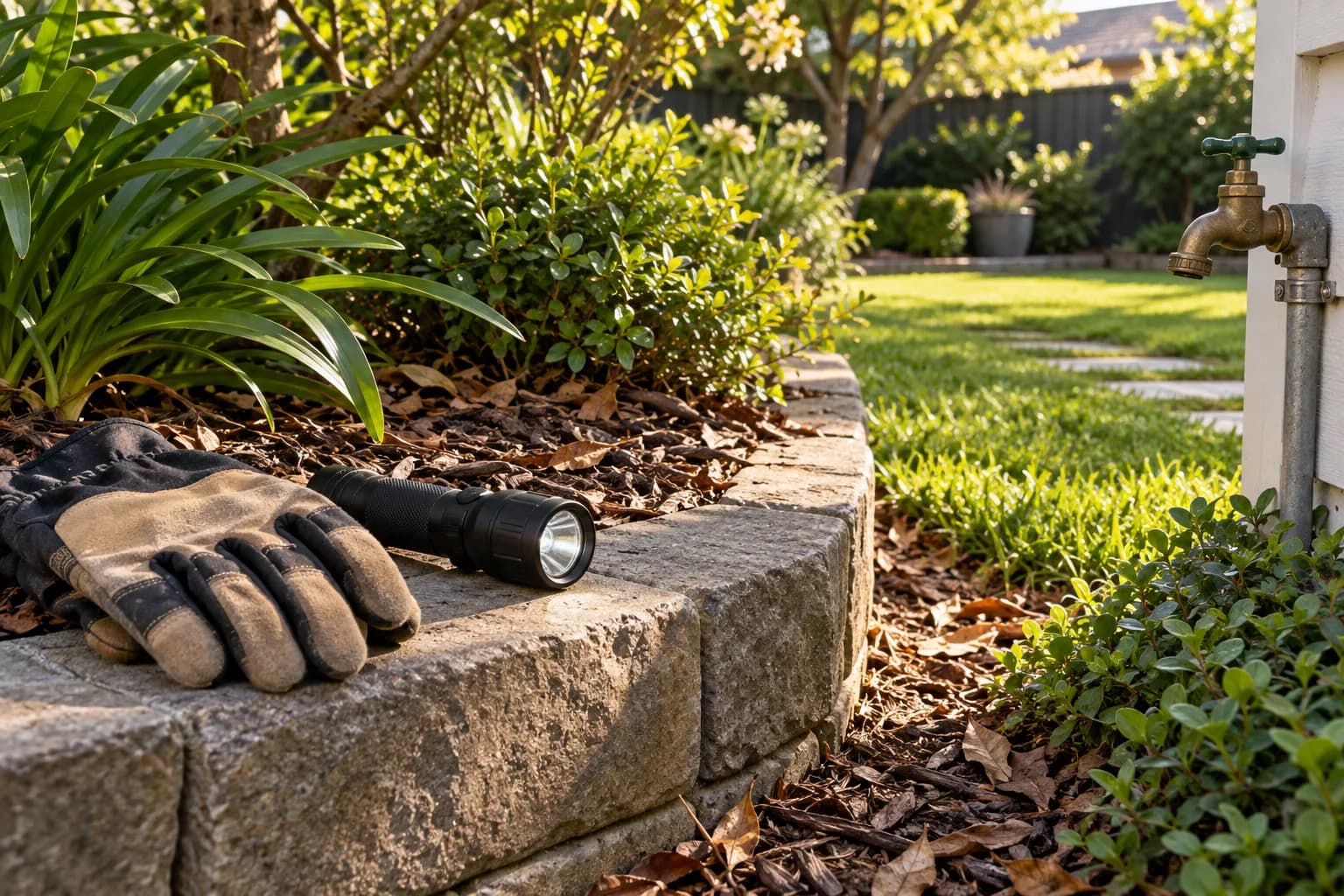
- ✓Clear brush, leaf piles, and tall grass from the perimeter of your yard.
- ✓Create a barrier of wood chips or gravel between lawn and wooded areas.
- ✓Apply repellents containing DEET or permethrin to clothing and shoes before going into grassy areas.
- ✓Shower immediately after being outdoors and wash clothes in hot water.
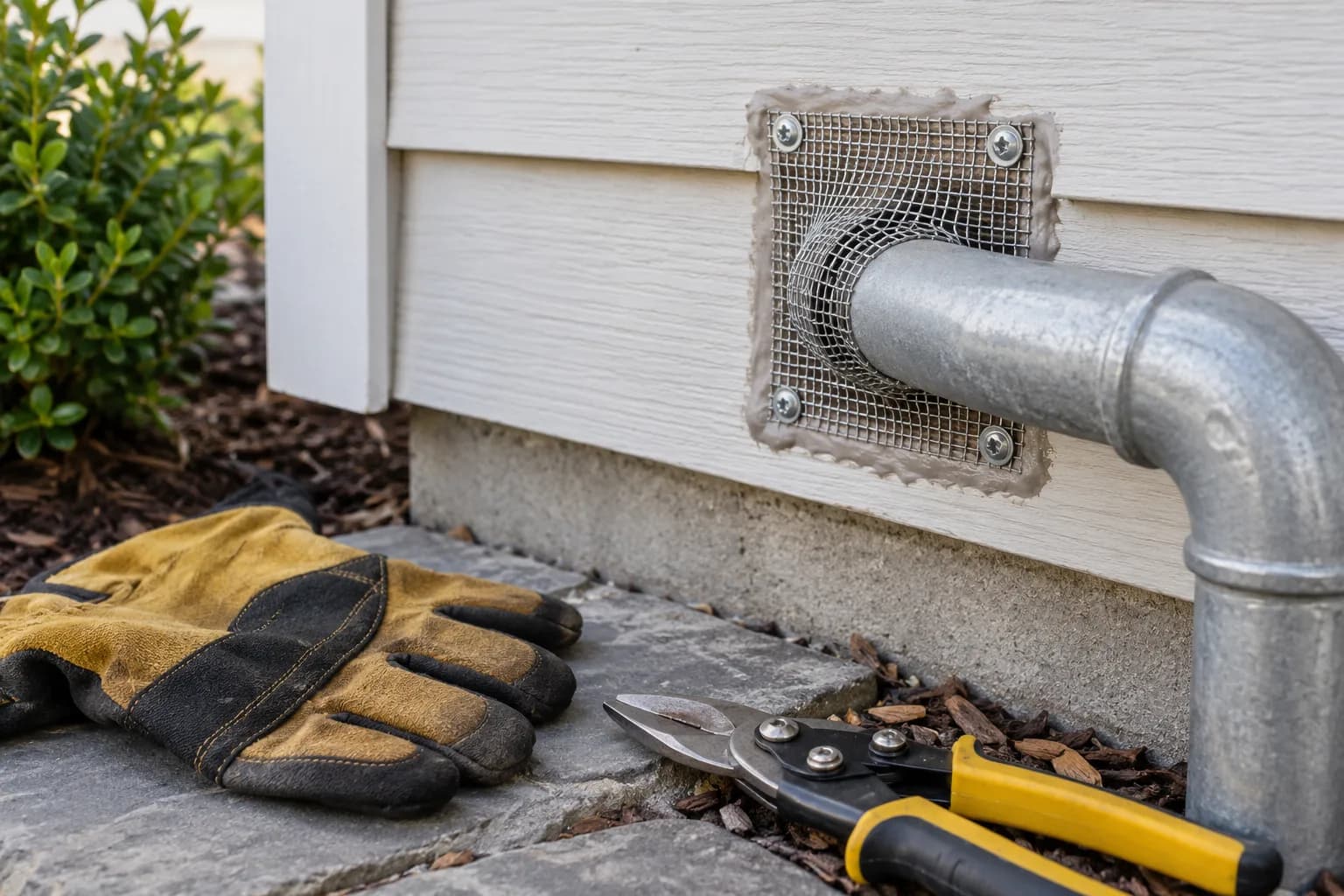
- ✓Discourage wildlife (rodents, deer) that carry chiggers by removing food sources and sealing entry points.
- ✓Treat pets with veterinarian-approved tick/mite preventatives.
💡 Did You Know?
- ★Chiggers inject digestive enzymes that liquefy skin cells—the cause of the itch. They then drink the liquid, not blood.
- ★The myth that chiggers burrow under the skin is false. They feed externally and drop off after a few days.
- ★Chiggers are not insects; they are arachnids, related to spiders and ticks.
Frequently Asked Questions
What kills chiggers instantly?
Do chiggers burrow into skin?
How long do chigger bites last?
What time of year are chiggers active in Iowa?
Can chiggers live in my house?
How much does professional chigger treatment cost in Iowa?
Are chigger treatments safe for pets and children?
What is the best repellent for chiggers?
Related Pages
Content provenance and service transparency
Generated grounded in national/state data + curated facts.
Published by Chigger Exterminator · No named licensed-professional review is claimed · Updated 2026-06-17T22:55:05.137Z
How this content is produced and correctedStop the Itch - Call for a inspection terms that vary by provider!
matched independent providers provide guaranteed chigger control. Call 1-888-546-7983 today.