The short version
Most Harrisonburg yards improve with mowing, trimming and drier soil. A targeted spray for hot spots is quoted by yard size.
- Mowing and trimming fix most yards.
- Sprays treat hot spots, not the whole yard.
- Repellent on socks prevents most bites.
- Shower and wash clothes after.
- Compare what each quote includes.
Written for Harrisonburg families dealing with bites from the yard, the park or local trails.
What to look for
Around Harrisonburg, chiggers are active from about late May through September. Only the tiny larvae bite. They wait in shady, damp grass and climb onto passing legs. The itch starts hours later.
- 1Itchy red bumps around socks and waistbands.
- 2Itching that starts hours after being outside.
- 3Bites after time in one part of the yard.
- 4Bites after mowing or gardening.
- 5Kids itching after playing in long grass.
- 6Pets scratching their bellies and legs.
Why it’s worth acting soon
- Days of itching.
- Scratched bites can get infected.
- Lost sleep from the itch.
- Kids avoiding the yard.
🧮
Estimate chigger control cost in Harrisonburg
Adjust for your situation to see a ballpark range.
Estimated range
A rough guide for a targeted yard spray. Mowing and trimming cost far less.
Treatment options and typical costs
Mowing and opening up shade
Free to low cost
Short grass and sun dry out the soil. Trim low branches near paths.
- Time
- An afternoon, then regular mowing
- Best for
- Most yards; the first thing to try
Drying out damp spots
Free to low cost
Chiggers need humid ground. Aim sprinklers away from shady beds.
- Time
- A few days to adjust sprinklers
- Best for
- Shady beds, fence lines and soggy corners
Targeted yard spray
Quoted by yard size
A pro treats just the hot spots, like a shady fence.
- Time
- One visit, sometimes repeated
- Best for
- Hot spots that keep producing bites
Repellent and clothing
The cost of repellent
Use repellent on socks and cuffs. Shower and wash clothes after.
- Time
- Every time you go out
- Best for
- Hiking, gardening and kids’ play
Prices are typical published ranges. Ask what’s included before you compare quotes.
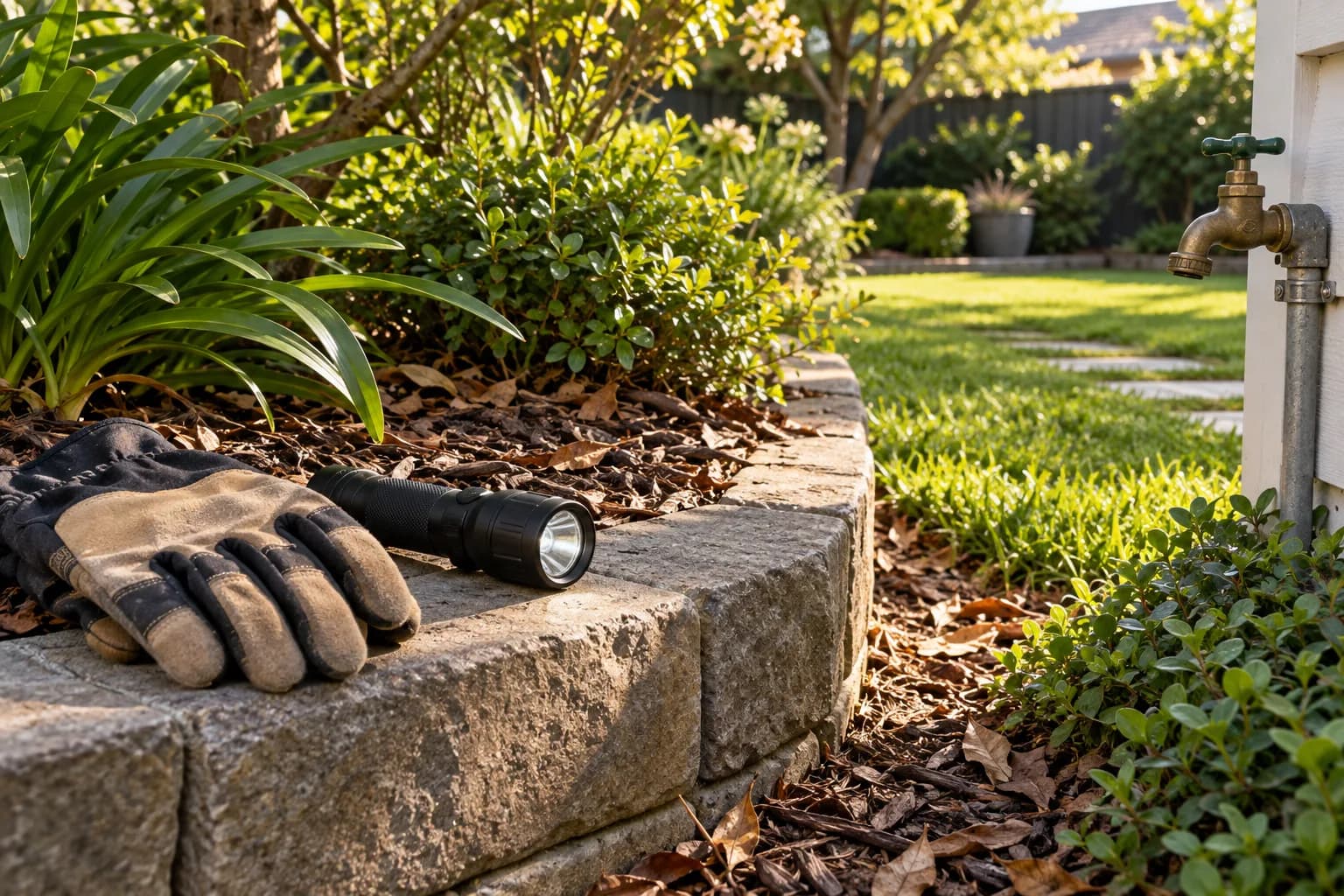 Thick, damp mulch by the house can hold chiggers. Keep it thin and let it dry out.
What chigger control costs in Harrisonburg.
- Repellent and clothing: the cost of repellent. - Targeted yard spray: quoted by yard size. - Drying out damp spots: free to low cost. - Mowing and opening up shade: free to low cost. - Most yards get better with free or cheap changes. A spray costs more and only treats the hot spots. Because Harrisonburg chiggers are active from late May through September, start mowing and trimming early in the season. Chiggers in Harrisonburg usually hold to a few shaded edges rather than covering the whole yard.
Local chiggers conditions in Harrisonburg.
Harrisonburg sits in a humid subtropical climate, and that sets the pace for chigger activity here: late spring through early fall (May-September). In Harrisonburg, the area is mostly suburban, so chiggers pressure can differ from one block to the next depending on how tight the entry points are and how much food, water, or shelter is close by. An inspection in Harrisonburg usually starts outside and works inward, checking the foundation, gaps around doors and windows, and any moisture or clutter near the structure first. Knowing Harrisonburg's seasonal timing lets you schedule treatment before the busy stretch rather than after it, which usually means faster service and a more accurate quote. A provider who works Harrisonburg and Virginia every day can point out the specific conditions that matter most here, and getting the scope, price, and follow-up terms in writing makes it easier to compare options.
 Damp leaf piles hold moisture chiggers like. Rake them away from the house.
Chiggers around Harrisonburg.
Shady Harrisonburg yards get about 39 inches of rain a year, which keeps them damp enough for chiggers well into summer. Yards from Harrisonburg out to Charlottesville see much the same pattern. Shady, damp ground is common here. Hot spots are easy to find.
A year of chiggers in Harrisonburg.
- Winter: no bites until spring. - Fall: bites drop off after the first frost. - Summer: peak season. When Harrisonburg hits highs near 86°F, chiggers move to the shadiest spots. - Spring: chiggers wake up as the ground warms.
What chiggers are.
They feed briefly on skin, then drop off. They don't burrow or drink blood. They're red and about the size of a dot. Chiggers are the larvae of a tiny mite.
Where you pick them up.
- Ballfields and park edges. - Berry patches and wooded trails. - Damp leaf litter and thick mulch. - Tall grass, weeds and brush. - Shady lawn edges and fence lines.
Treating the itch.
- Doctor: if a bite looks infected. - Hands off: try not to scratch. - Creams: anti-itch cream or calamine helps. - Cool: cold packs calm the itch. - Wash: soap and water as soon as you can.
Protecting kids.
Keep play areas mowed short. Have them shower after playing in long grass. Use repellent on socks and shoes. Kids get bitten most where clothes are tight.
Pets and chiggers.
your vet if the itching won't stop. Check them after walks in long grass. Dogs and cats get bitten too, often on bellies and paws.
Chigger myths.
- Sulfur powder keeps them off: little proof. - Bites spread disease here: not in this country. - They burrow under skin: they don’t. - Nail polish suffocates them: no, they’re already gone.
Gardening without bites.
- Wash clothes in hot water after. - Use repellent on cuffs and shoes. - Sit on a mat, not the grass. - Wear long pants tucked into socks.
Hiking and camping.
Shower as soon as you get home. Treat socks and pants with permethrin before the trip. Stay on the middle of trails.
Finding hot spots in your yard.
Test shady and sunny spots to compare. Tiny red specks gathering on it mean chiggers. Lay a dark tile on the grass for a few minutes.
Chiggers, mosquitoes or something else?
- Plants: rashes in lines or patches after brushing past. - Fleas: bites around ankles, often indoors too. - Mosquitoes: scattered bites on bare skin. - Chiggers: clusters of bites where clothes are tight.
Lawn care that helps.
- Brush: clear tall weeds at the back of the yard. - Leaves: rake out thick leaf litter. - Edges: trim along fences and beds. - Height: keep grass short through summer.
After a day outside.
- Gear: shake out blankets and chairs. - Clothes: wash in hot water before wearing again. - Scrub: rub with a washcloth to knock off larvae. - Shower: soon after, with soap.
Picnics and ballgames.
Spray repellent on shoes and socks before you go. Pick sunny, mowed spots over shady edges. Sit on a blanket or chair, not straight on the grass.
Wildlife and chiggers.
Moving brush piles away from play areas helps. Brush piles that shelter wildlife also shelter chiggers. Chigger larvae feed on rabbits, birds, mice and other small animals.
Chiggers on camping and scout trips.
- Home: wash every outdoor item in hot water. - Evening: shower or wipe down before bed. - Camp: pitch tents on bare or mowed ground. - Pack: long pants, tall socks and repellent.
Dressing for yard work.
- After: change clothes before sitting on furniture. - Repellent: on socks, cuffs and shoe tops. - Shoes: closed shoes, not sandals. - Pants: long, light-colored and tucked into socks.
Shade, mulch and moisture.
Thin mulch dries faster than deep piles. Thinning hedges and raising tree canopies lets light reach the ground. That's why they gather in shady, damp spots. Chiggers dry out fast in hot sun.
When bites need a doctor.
Kids with bites in the groin may need a check. See a doctor if a bite gets hot, swollen or oozes. Most bites heal on their own in a week or two.
Mowing tips for chigger season.
- Timing: mow before long dry spells end. - Clippings: bag them near play areas. - Edges: string-trim along fences and beds. - Height: keep grass short all season.
Questions to ask before you sign.
- What can I do to help it last? - Will it need a second visit? - How long should we stay off the lawn? - What product do you use? - Which areas will you treat?
Ways to keep the cost down.
- Treat only the hot spots. - Fix sprinklers that soak shady beds. - Mow and trim before paying for a spray.
What affects the price
- Yard size and how much is shady or brushy.
- How many hot spots need treating.
- Whether a repeat visit is needed.
- Trimming or brush clearing done at the same time.
- Access to fence lines and back corners.
📊
What bugs you most about chiggers?
When to call for help
Bites keep coming from one spot after mowing? Call a pro. A pro can treat just the hot spots. See a doctor if a bite looks infected.
What you can do yourself
That solves most yards. A spray helps when a hot spot won't quit. Mow, trim, fix soggy spots and use repellent.
Chiggers in Harrisonburg
Shady fence lines and garden beds are the most common chigger spots in Harrisonburg. Harrisonburg gets about 39 inches of rain and 68% humidity a year, which keeps the shady, damp ground chiggers prefer. Once Harrisonburg nights drop near 25°F, the first hard frost closes chigger season.
Chigger tips for Harrisonburg
Where to watch out around Harrisonburg
With 68% humidity and about 39 inches of rain a year, Harrisonburg has plenty of the damp, shady ground chiggers like. Bites peak in early to midsummer.
Check first
lawn edges by the woods, leaf litter and shady ground cover.
Quick fixes
Mow short, trim low branches and stop watering shady beds so often.
Before you head out
Repellent on socks and cuffs. Shower and wash clothes after.
Local research
Chiggers in Harrisonburg, VA: what the public record shows
Before you compare quotes, it helps to know which chiggers actually live in Virginia, when they are busiest around Harrisonburg, and what the state figures look like. Everything below links to the agency or university page it came from.
Where to spray
VCE directs treatment into "hot spots" where chiggers and their animal hosts are abundant, wetting ground and vegetation to roughly three feet, and keeping children and pets off until dry.
Virginia Cooperative Extension, Virginia TechWhen chiggers are busiest around Harrisonburg
Virginia Cooperative Extension frames chigger control around an early-spring yard treatment, with a June repeat only where infestations are severe.
VCE lists bifenthrin, lambda-cyhalothrin and carbaryl for yard use, directed at hot spots and unmowed grass, and recommends mowing plus repellent on socks, cuffs and sleeves; it notes indoor spraying is generally not the recommended treatment.
Sources: Virginia Cooperative Extension, Virginia Tech; University of Missouri Extension; Ohio State University Extension (Ohioline). Figures are quoted as the source prints them. How we check our sources
Simple ways to keep chiggers away
- Mow short and often.
- Trim low branches to let in sun.
- Keep mulch thin and dry.
- Use repellent on socks and pant cuffs.
- Shower soon after being outside.
- Wash outdoor clothes in hot water.
 If you get a quote, ask which spots will be treated and how long to stay off the lawn.
Did you know?
Adult chiggers eat plants and other tiny creatures.
Most chigger bites happen where clothes fit tightly.
Questions people ask
How much does chigger control cost?
Mowing and trimming cost little. A targeted yard spray is quoted by yard size.
Do I need a yard spray?
Often not. Short grass, more sun and drier soil fix most yards.
How long does it take to work?
Mowing and trimming help within days. A spray works faster but may need repeating.
Is yard spray safe for kids and pets?
Ask what product is used. Stay off the lawn as the label says.
What should a quote include?
Which areas get treated, the product and how many visits.
Can I treat chiggers myself?
Yes. Mow, trim, dry out damp spots and use repellent outdoors.
When is the best time to treat?
Early in the season, before bites pile up. Around Harrisonburg, that's the start of about late May.
Does homeowners insurance cover chigger control?
No. It's treated as routine yard care.
How long do chigger bites itch?
In Harrisonburg, itching lasted an average of 3.0 days among a 1998 study of 94 children. Treat it as a rough guide, not a local count.
Do chigger bites always leave a visible mark?
No. In Harrisonburg, a 1998 study of 94 children found a papule or bite mark in only 50% of cases attributed to insect or chigger bites.
When is chigger season in Harrisonburg?
Usually from about late May through September.
Are chiggers common around Harrisonburg?
Yes, in shady, damp grass.
Nearby cities
Related guides
Sources (12)
The facts in this article come from the public sources listed above. Every home is different, so ask the company you talk to about pricing and what’s included. Published by Chigger Exterminator · Updated September 11, 2026 · How we write these guides